Paul's Heart

Life As A Dad, And A Survivor

Archive for the category “Politics”

Cancer – What You Want To Know


I have been feeling restrospective a lot lately. And because it has been so long since I was diagnosed with cancer, Hodgkin’s Lymphoma, back in 1988, while I have seen progress in better diagnostics, progress in better and safer treatments, there is still something that has not made much if any progress, and that is, talk about survivorship or life after cancer.

There are three questions that pop into mind once you hear the words, “you have cancer.” The first, “Am I going to die?” And the second, “What am I going to have to go through for treatments?” A compassionate oncologist is going to answer the first question with as much positivity, and with very good reason because of all the progress made in cancer research, many cancers are highly successful with treatment. There are so many treatment options available and thanks to all the cancer survivors who came before them, science has learned what worked, and what needed to be worked on further to increase safety and success. But there is one question that I know I asked my oncologist back in 1988, and I still do not see any kind of answer to that question today. “If I get to remission, how much longer of a life will I have?”, and of course with hindsight over the last two decades, “what price will my body pay for everything that I was exposed to?”

Normally, most of us survivors only hear of the magic “five year” mark. And until we hit that five-year mark, we struggle with powerful paranoia and fear of relapsing or recurrence. Those first five years after treatment ends are the most challenging physically and emotionally. The fear of recurrence or relapse is very real, as every ache, pain, cough, or swollen lymph node immediately triggers the thought, “it’s back.” Follow up appointments which are meant to confirm all is good, can still bring intense anxiety while we wait for the words from the oncologist, “still all good.” And if there are any scans involved, we experience what is called “scanxiety,” a real and separate post.

During those first five years, we are learning to trust our bodies again. No one understands the unpredictability of their body more than a cancer survivor. There is living with the uncertainty, “will it come back?” or “How many years do I have after cancer?”

On top of that, there is the physical recovery, dealing with fatigue, which honestly never goes away fully, stamina, memory or concentration challenges (sometimes referred to as “chemo brain”), nerve problems which can persist long after treatment ends.

And then there is the adjustment emotionally. While everyone else around us celebrates that everything is over “for them” and life can get back to normal “for them,” we survivors often still process what happened for a long time and suffer from anxiety, depression, grief (yes, grief, we have experienced “loss” of what we once knew was our life before cancer), and PTSD, post traumatic stress disorder.

As we return to life, we have to find a new “normal,” as we discover so much has changed about us from how we once were. Our priorities (especially sweating the small stuff), relationships, work, and future plans are all handled differently. We do get back to managing our finances, rebuilding routines, and importantly reconnecting socially. It can be difficult at time as we have to figure out who is able to handle when we still need to talk about our experiences, not everyone is able or willing.

As much as I tried to be an inspiration for being able to get through treatments for cancer early on, after that five years had passed, I became focused on showing newer patients something to look forward to, life after cancer. I got married (twice actually), bought a house, had a nice career, and had two beautiful daughters, and a golden retriever. No, this was not the life I was heading toward in 1988, but it was what I was given after cancer.

But there was one discussion that had been left out, especially after that five years had passed. I was “dismissed” by my oncologist that it was unlikely that my cancer would return after that five years. Great! That’s all we cancer survivors want to hear. This was our gold ticket to move on with our lives. There was one problem, some of us would end up going a separate path from the straight path of life after cancer. It would take decades to get discovered and discussed, and even now does not get the attention that it should. And I am not going to make that part of this post as I talk about it in great detail on this page already, the developing of late side effects from our treatments. There is no rhyme or reason why or who develops them. Those of us who do get diagnosed with these issues are contributing to current information in regard to survivorship. But there still remains one question.

Can you live life after cancer, without having to deal with the memories, or the late side effects? Of course you can. But the question should be, “should you?” Like I said, there are no statistics stating who has gotten to live and how long without ever dealing with their cancer history again. Likewise, your oncologist should be referring you to see your primary care doctor for regular annual follow ups, not for the return of the cancer, but for the potential, not guaranteed, but potential for the development of any late side effects. Again, I have documented often how close I came, because no one was looking.

Of course, if you are like me, having these late side effects, we are documented, now. Because of those like me, and the thousands who came before me, doctors are aware of the issues that plague many survivors. It is just the surveillence and advocacy is not there, until it is too late.

So I did some research as I love to do. Now keep in mind, social media support pages can be overwhelming no matter what they health issue. Why? Because literally, everyone on those pages has an issue. Those who have nothing wrong, don’t need to be on a page like that. And those would be the numbers you are looking for, living after cancer, without the thoughts of cancer anymore. But here is what I discovered.

The fact is, we have no idea how many cancer survivors there are in the world, 30, 40, or 50 years after diagnosis. There are no worldwide or US registry that tracks survivors in that way. But one large long term study found that 52% of Hodgkin’s survivors were still alive after 30 years (it does not specify if with or without late side effects). At 40 years, the number drops down to 42%, but the study hints at issues from late side effects playing a role in the lower number. And well, 50 years, there is nothing to refer to. But I can tell you, I know plenty of 40 and 50 year survivors, and have even seen some 60 year survivors.

It’s frutstrating. Why don’t we talk about survivorship longevity, probably the most important issue once treatment ends? Or rather, why don’t we want to talk about it?

We keep all kinds of statistice on diagnosis and deaths, but never how many survivors there are or the milestones they reach. There is no excuse for losing track of patients today with technology and AI for when patients move or change health care providers. And then there is the biggest reason for wanting to know this statistic, the development of newer, better, and safer treatments.

And then there is this, funding. Survivors are not a priority for research funding. Research continues its focus on curing, not surviving and studying people alive decades after.

Look, you can live a long life after cancer, and also be unfortunate enough to deal with late side effects from the treatments. I know, I am now 37 years from my diagnosis. But because you do not know if you are going to be the lucky one who gets away actully 100% done with the topic of cancer, or someone who will face heart disease, secondary cancers, or endocrine, lung or vascular complications. And only awareness and prevention will give you those extra years. It is not an understatment, I never expected to be here to witness this milestone in my life.
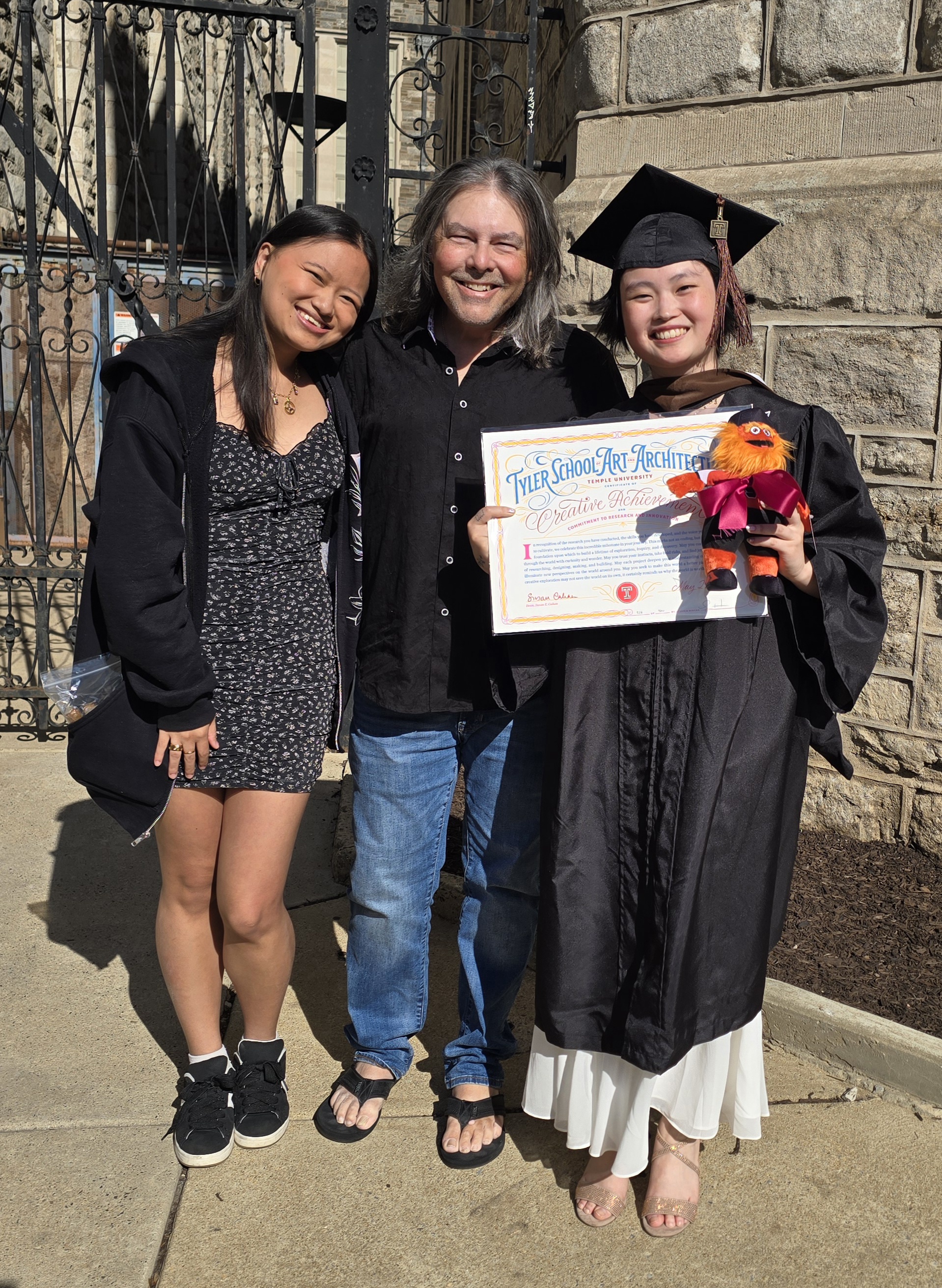
But I did. I have lived long past the period that most cancer statistics discuss. And researchers are increasingly realizing that survivors like me need LIFELONG follow up care. In fact, while the medical community catches up, it is my “older” fellow long term survivors I actually owe my life to, being the ones encouraging me to be proactive, get help when needed, and most importantly, support me emotionally during the times that I struggle, and I still do.

It may have been unintentional when my doctor told me he would not use the word “cure” with me while being confident he would get me into remission. But it is hard to consider myself “cured” dealing with all the late side effects I deal with, while being in remission from the original cause. But boy, do I wish he would have told me that I would need to follow up medically for the rest of my life, that some of these issues could take decades to appear. I wish I had been warned about the emotionaly challenges. And I do wish that the majority of my friends could understand, that I cannot just “move on” or “just get over it.” Because I live with this body and all it betrays me with, every day, and often on my own so I do not burden others.

Make no mistake, cancer survivors are living a long time today. I am only one voice, so I am telling one person at a time. I have written to many networks and organization, and no one seems to want to talk about survivorship, just like science, the stories are only there for who gets diagnosed and who dies.

This is my story. I am a 37 year cancer survivor. And I feel I have a lot more years to go. Who else wants to tell their story?

Flag Day, Remembering My Grandmother


(photo created with ChatGPT)

Somewhere in my childhood home, still owned by my family, is the very first essay I had ever written. I was in 7th grade I believe. I put a lot of work and research into it, and justifiably got a great grade on it. My topic was Flag Day. The paper was filled with all kinds of facts, from all the different flags representing our country and the different changes that it went through. Though there are only 8 flags shown in the photo above, there were actually 27 throughout these 250 years. It was not until the 1800’s that there were between 20-30 stars, finally approaching the 20th century (that would be the 1900’s), did we have flags in the 40-count.

Some odd facts, the 48-star flag flew for 47 years (1912-1959) made it one of the longest-serving flags. The 49-star flag lasted only one year when Alaska became a state. And our current 50-star flag became official on July 4, 1960, after Hawaii joined the Union. In two years, barring any other states joining the US, “old glory will become the longest serving flag.

There were plenty of other facts about our flag in that report, about how to display it, and how to care for it, especially when it was “worn,” and how to respectfully dispose of it. I would describe myself as a flag “purist” as a result of that report, so one particular beef I have with today’s “patriotism” are the violations of the United States Code. What are some of the codes?

  • raise the flag quickly, lower it slowly
  • the flag is supposed to be flown from sunrise to sundown, unless properly lit
  • the flag does not touch anything below it (ground, water, etc.)
  • do not hang in the wrong direction, if hanging, the stars go in the upper left
  • the flag hangs in the rain only if an “all weather” material

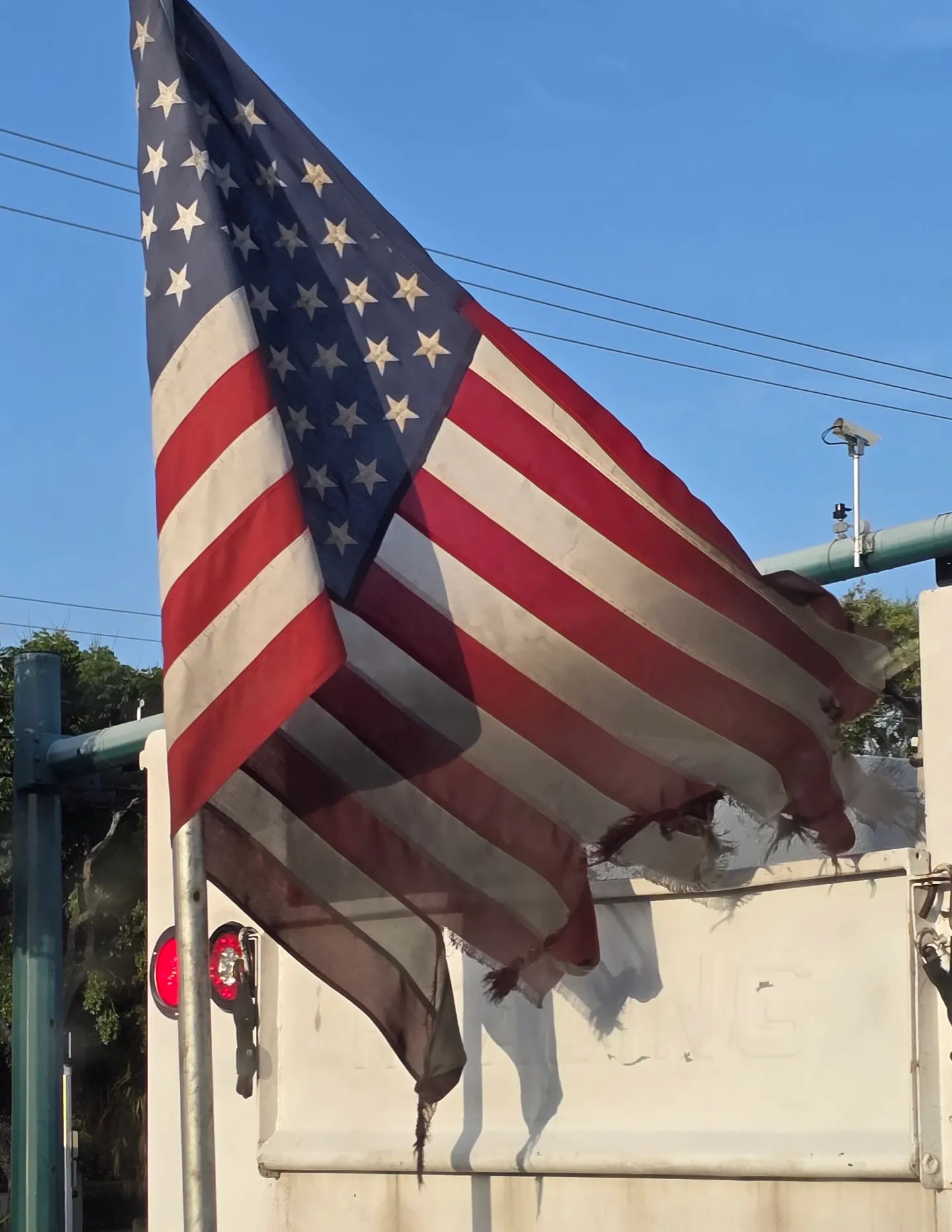
But there are two things that people do that irritate me to no end to the display of our flag. The first, flying it from a vehicle. Sure, according to the US code, the flag is supposed to flow free, but if on a vehicle, it should be flown from the right front end of the car.

But as the photo above shows, the flag is shown mounted on the rear of the truck. This disgusts me every time I see it, and I see this truck a lot. The flag is attached to the back of the truck, sucking exhaust, and being coated with soot. This is probably the 2nd most disrespectful way to treat the flag. Not to mention it is tattered from the violent wind gusts from the speed of the truck.

The most disrrespectful and intentional thing to do with the flag, is wear it as clothing. Sure, everyone thinks they are showing their patriotism by wearing the stars and stripes, but it is actually written to not wear the flag as apparel; clothing, hats, swimsuits. Wear the colors red, white, and blue, sure. But to wear the flag, stars and stripes as swim shorts, soaking up ball sweat and swamp ass as if a patriotic maxipad is just wrong.

Also, one final peeve of mine, the flag serves and represents only one thing. It is not to be used for other causes, such as “thin blue line” or professional sports teams using their team colors. If you need a flag of your own, make one. Hands off the stars and stripes. Make your own flag.

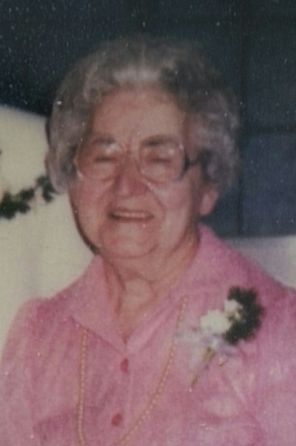
I used to be super involved with celebrating Flag Day until 1998, a day that changed my life forever, the day my grandmother passed away from cancer.

My grandmother was one of the most influencial people in my life, not just from a rearing standpoint (my mother worked 2nd shift as a single mom – so my grandmother handled everything during the week), but she was also my first actively involved cancer survivor I had known in great detail. I lost two of my other grandparents to cancer, lung and gall bladder. My maternal grandmother had been diagnosed with breast cancer. Between mastectomy and chemo, she had beaten it, becoming the first person I had known to beat cancer.

Of course, her story with breast cancer, would be pivotal with decisions I would face with my own battle with cancer, Hodgkin’s Lymphoma. But it was she who inspired me to take on Hodgkin’s with the same courage and stoicism that she did.

However, in May of 1998, she was diagnosed with her second cancer, this time ovarian. Having had my own battle with cancer, I was a lot more sensative to the things that would be said about her case. But I had not doubt, she would take it on and beat it just like she did with the breast cancer.

She had surgery to remove the cancer, and the surgeon told all of us, “he got it all.” That is in quotes for a reason. He continued on that he wanted to have my grandmother undergo preventative chemo, which I did not see as unreasonable. But then he stated the amount he wanted her to do. I could tell something was wrong.

I told my mother, that she needed to talk to her two brothers, something was wrong. If the doctor got all the cancer, and while preventative chemo is not unreasonable to get periforal cells left behind, the amount of chemo the doctor was talking about, was a full treatmant plan. Something was wrong. Of course, my pleas fell on deaf ears.

On Saturday, June 13th, I stopped by my grandmother for a short visit. She was to start chemo that Monday. When I came into the house, she was sitting on her couch, staring off, lost. Off to the left, I could see her treatment books, untouched, not opened even once. My grandmother just sat there, and I noticed she had actually had her hair cut, “high and tight” as if to prepare to lose the hair, something that did not happen for her with her breast cancer. She was deep in thought, real deep.

“Is everything okay Grandma?” I asked.

“Yeah,” she responded, “I just want to get this over with.” I couldn’t blame her, I know how bad chemo is to go through. She continued to just sit there and stare. After a short while longer, I told her I would call her to see how she made out, and went home. That was the last time I would see her alive.

The next day, as I prepared to go to church, as I had activities to run with the church’s youth group, I got a phone call, “your grandmother was taken to the hospital. She has fluid in her lungs.” I said that I would be right there, trusting my fellow parents to handle things, but was told, “she said you were to stay at the church, she knows you have youth group. She will see you later.”

Around 2:30pm, the afternoon of June 14th, the phone rang in the church office. One of my advisors had answered it, and as I looked over toward her, I could see it was an upsetting phone call for her. But then she held the phone to me. My heart sank. As I grabbed the phone, my advisor did all she could to offer “I’m so sorry Paul.”

My grandmother had passed.

I have a strange and baffling defense mechanism that kicked in right away. I went right back to work with the kids. My advisors would tell me they could take care of everything, and I knew they could, but I insisted on staying.

My worst fears came true. My grandmother was worse than what the doctor told us, and I knew it. No one would listen to me. Did my grandmother intentionally instruct the doctor to lie to us? Being a Catholic hospital (my grandmother was not Catholic), did they convince her to go through chemo for the sake of the sanctity of life? Did they tell her that chemo would buy her time to see her other son who would fly in two months later? There were plenty of other signs that my grandmother did know, this would be it for her.

Her taking charge of her fate has done nothing to ease the grief that I still cling to twenty-eight years later. She was my moral compass. I talked to her about everything. Her opinion mattered to me. And if I did something she did not agree with, she did not hold back her opposition, and if I went against her counsel, she stood by me regardless. To this day, I miss her so. How I wish she could see and spend time with her two great-granddaughters. They would simply love her.

I am currently dealing with a medical crisis with my mother, my grandmother’s second child. Unlike the passive approach with my grandmother, expecting my mother and uncles to do more, my mother has me advocating for her now. I lost my father to lung cancer (3rd of six relatives with cancer, all dead). And I am doing all I can to help my mother with this health challenge.

I don’t take the time to reflect on Flag Day like I used to. And because of my grandmother’s passing, I can never forget when it happened. And the only thing at this point in my life, is what comes the week after Flag Day, what I consider one of the most important days of my life, Father’s Day. This is the day that gets me through today, even all these years later. My daughters mean the world to me, and now, as adults are aware of the health struggles I deal with, and are as much a part of my survival as the doctors who care for me.

Goodbye Old Friend, Again


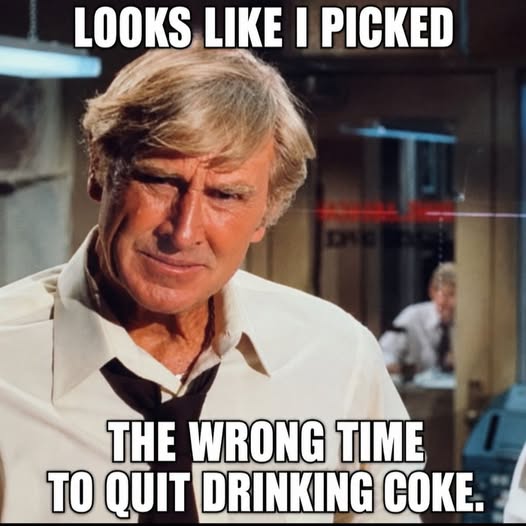
“Hello darkness my old friend. I need to give you up again.”

Coca-cola and I go way back. In fact, nearly forty-five years ago. I delivered the morning newspapers as a teenager, and during the winter it was especially cold, and halfway through my route, I would duck inside a foyer of one of the buildings to get warm. Counter to that effort, there was a soda vending machine just outside the building, and of course, being Winter, that meant the soda would be much colder than the temperature set for the machine, giving the soda a much stronger appeal and taste. My beverage of choice, Coke. And it was good, real good. From there, I was hooked.

In the battle of Cola’s, Pepsi, RC, A-treat, or any other generic, Coke has always been my preference. It was always about the flavor. As an adult, it became more about the boost I would get from the caffeine and sugar. I regularly burned the candle at both ends, and in the late 80’s I would rely on “NoDoze” caffeine capsules to get me through.

In the 21st century however, Coke became a regular part of my diet, easily replacing the recommendation of drinking 8 glasses of water a day. I was easily drinking two to three liters of Coke a day. For the most part, my body was handling all the sugar, or at least it was assumed because it was never checked.

Then in 2008 things changed. Due to late side effects from my treatments for Hodgkin’s Lymphoma, I had to undergo an emergency double bypass, which then led to a major change in my personal care, medical surveillance.

Drinking as much Coke as I was, had a major impact on two blood tests, my A1C would eventually climbe to 9.0 (not good) which is type 2 diabetic level, and my thyroid levels ended up all wonky, which they were bad enough from my radiation treatments. Additionally, with my heart as bad as it is, all factors considered, I really need to quit drinking Coke.

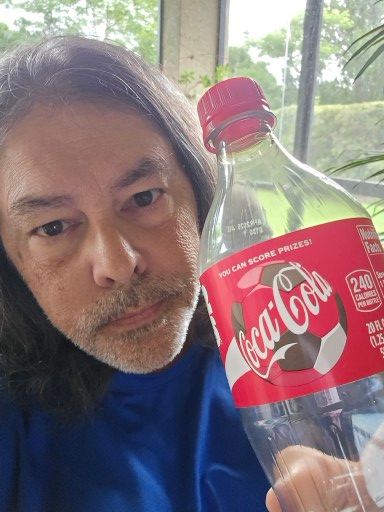
(photo courtesy of ChatGPT)

I have tried multiple times. I see a date ahead, bloodwork. They are going to be looking for my A1C and my thyroid. I have three months to get my numbers corrected, and in theory, if I quit drinking the Coke during that period, they should be happy. Notice, I said “they.”

The problem comes, after my blood test. Two things generally happen following this test, I spend time away with my daughters, which means eating out a lot, or I am facing a stressful period that I need some extra energy. I cannot due energy drinks because of my heart. In both situations, the answer is simple and easy, not just fall off the wagon, I do a backflip triple flare summersault off of the wagon.

The numbers usually come back reflecting the cessation of Coke. I don’t usually lose any weight, something always pushed, in fact, this last time, I actually gained 10 pounds in 4 days. I was definitely not happy about that. I was not about to let that discourage me. I have a goal, three months from now, when I am do for my blood test.

I don’t do drugs, smoke, or drink alcohol, so Coke is really my only vice. And whether my attitude about my health, all of the issues I have from my cancer treatment late effects, it actually makes little or no difference, I am still trying.

I am pretty sure it won’t last, once August rolls around. While Coke is not “literally” addictive in the way nicotine or alcohol is, it can feel addictive, mainly because of its ingredients. Caffeine can cause dependence as a stimulant, craving it. And yes, I get headaches and fatigue hits when I stop. Then, there is the extraordinary amount of sugar in Coke which activates the brain’s reward system with a full blast release of dopamine, making you want more. And then, it is just a matter of habit, at meals, on work breaks, and as in my case, a pick-me-up. I am literally conditioned to associate comfort and energy when I drink Coke, and I end up drinking it again.

For now, I keep trying. But it is so hard right now as once again, I am battling some extreme stress, not sleeping well, and want a Coke.

Post Navigation