Music And My Survivorship
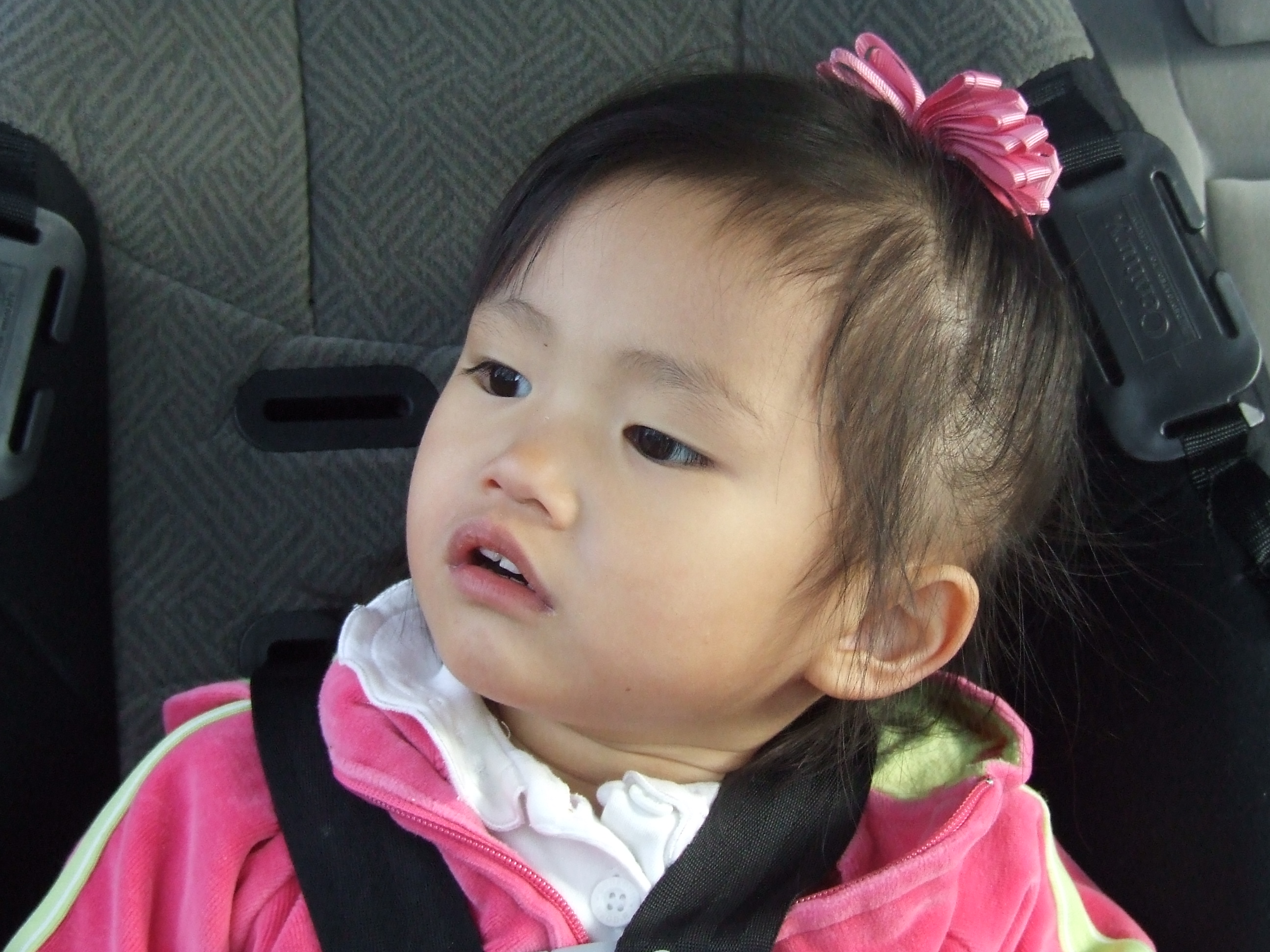
I am driving to the grocery store with my then two year old, and as always, I am listening to my CD player in the car. ACDC’s “Back In Black” comes on. I just happen to look into my review mirror just to check on my daughter as I frequently did, and I notice her rocking her head forward, back and forth, and coincidentally, to the beat of the song. Holy crap! My daughter is “head banging”, a term for bouncing the head to the beat of a head throbbing song. A lover of music, this was a proud moment for me, because I truly believe in the importance of the arts and the development of childrens’ minds.
As time went on, my daughter would move on to a new artist and song, Kelly Clarkson and “Since You Been Gone.” Now of course, barely speaking any words, she gave it her all when it came to the chorus, screaming something, on beat and on note. And then there was this classic about a year later. I got a phone call from daycare. “Mr. Edelman, we have a problem. Do you know what your daughter is singing?” Of course I had no idea what was happening prior to the phone call, but my daughter had already learned so many different songs, and to be clear, childrens songs as well. I replied, “um, not really. Why?” Wait for it, “she was singing ‘Girlfriend’ by Avril Lavigne.” Hmmm… okay, this could be problematic, but I was a quick thinker.
“Was she singing the edited or unedited version,” making reference to Lavigne dropping a “mother f-er” bomb in the song, which got edited out on the radio. They asked, “what difference does that make? It’s Avril Lavigne and it’s inappropriate!” I told her, “it matters because she knows not to sing the naughty words that are in there. And if she isn’t singing them, this call can end now.”
I was just over a year old when my grandfather passed away. Back in 1967, there were no cell phones, so not a lot of photos were taken then, including at least one of a memory that I cannot look back on, the love for my grandfather. I heard countless stories on how I was so excited everytime I was taken to see him. Even as an infant, he meant the world to me.
As I got older, just before the age of starting school, I learned something special about my grandfather, he could sing. He had what is called a “baritone” voice. And even though he had passed, I was able to hear his voice, as he had made a recording. He had recorded “Battle Hymn Of The Republic.” I remember two things, he had a powerful voice, and I wanted to sing just like him.
My grandmother gave me my beginning, by taking me to church, and having me sing on the children’s choir. This would open the door to other organizations that I would join for the opportunity to sing and perform.
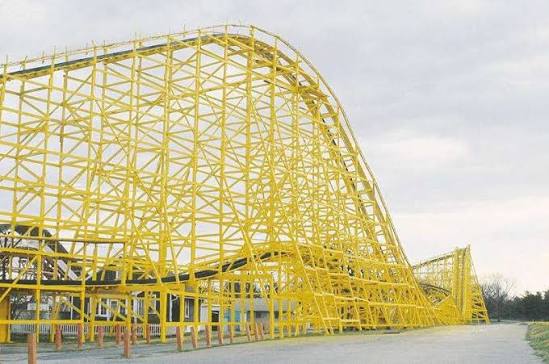
(image courtesy of Times News)
I was five years old when I would experience something that I had never felt before, a roller coaster, this roller coaster, currently called the Thunderhawk. It is world reknowned as one of the top ten wooden roller coasters. I remember that ride very well. But that is not what stuck with me most. Over a loud speaker atop a telephone pole, music was playing. Chicago, “Wishing You Were Here.” That memory sticks in my head to this day. I soon learned about the car radio, and AM radio stations. And then thank goodness, FM radio came along. And something new happened, I heard people talking about the music from the radio, DJ’s. I wanted to be one. I was still singing and performing, but I wanted to expand my experiences.
Throughout Junior and Senior high school, my musical involvement continued either through choral or stage, with training and competition. After high school, I would audition and join a local symphony chorus. I would also give several attempts at joining local bands in need of a vocalist.
In 1984, my music interest and range would jettison, as I finally took my shot behind DJ tables at my college’s radio station, where I would get to play all kinds of genres of music. I would take a couple shots at commercial radio, but it would be from doing live locations, such as weddings, reunions, and other parties that I would truly find musical happiness for the next forty years.
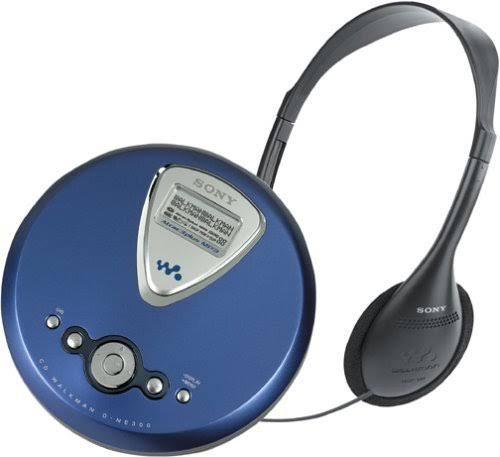
(image courtesy of Ebay)
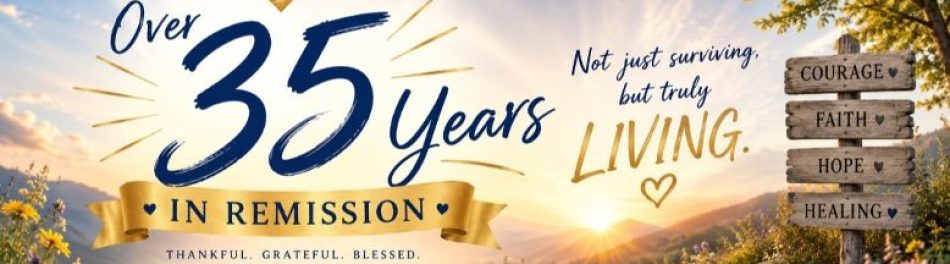
In 1988, music would take on a whole new role for me, and literally get me through the most difficult time of my life. It was in November of that year that I was diagnosed with Hodgkin’s Lymphoma. During diagnostic surgeries and chemotherapy treatments, my CD Walkman was filled with what I considered motivational tunes never left my side during those appointments. It seemed like every morning I drove to my radiation appointments, I would hear Madonna’s “Like A Prayer.”
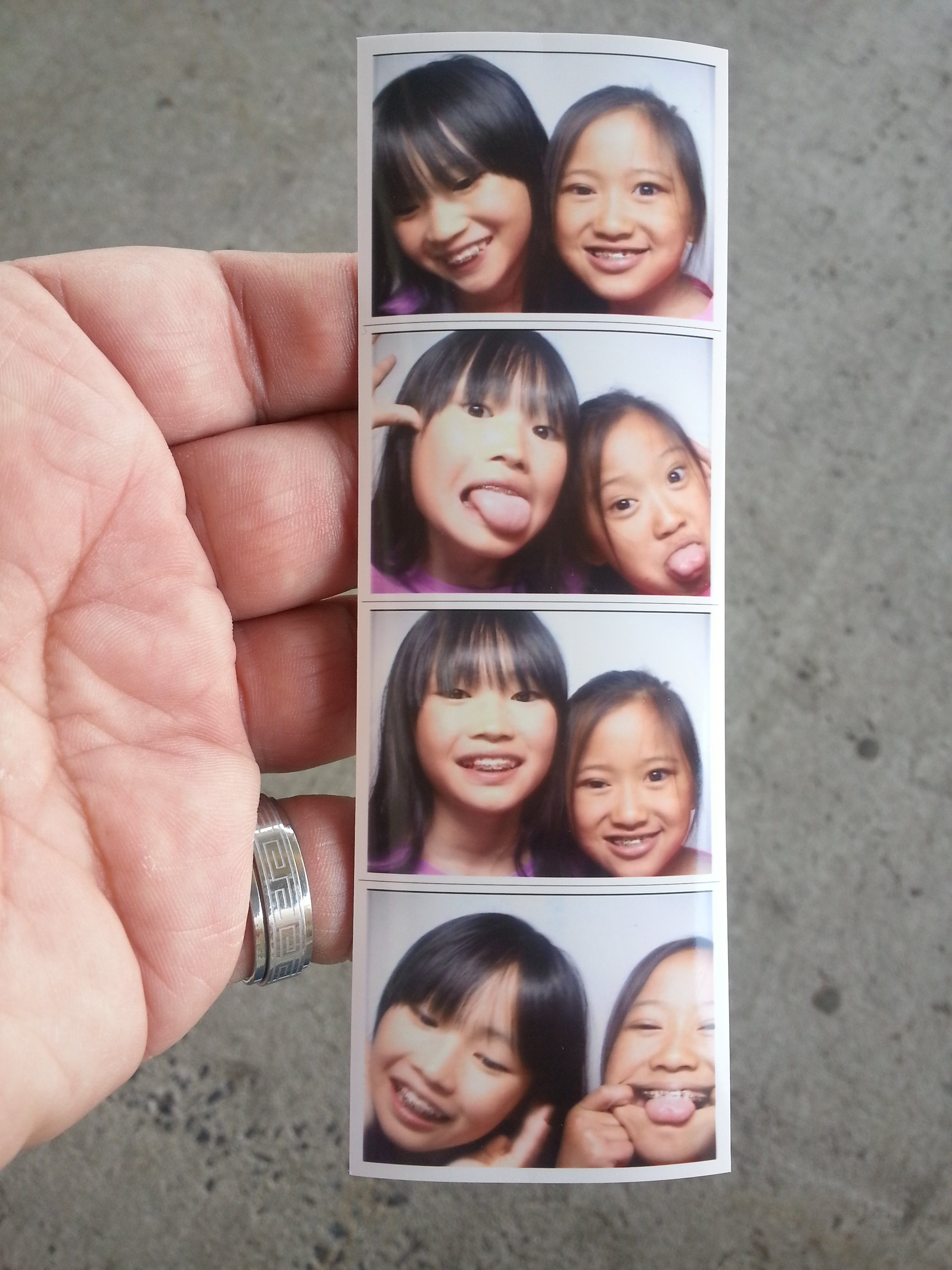
After I completed my treatments, I continued with DJ-ing. And then my daughters came along, and one thing I wanted both to love and enjoy, was music. My other daugther developed her own path in music, that she still follows to this day, finding the right instrument.
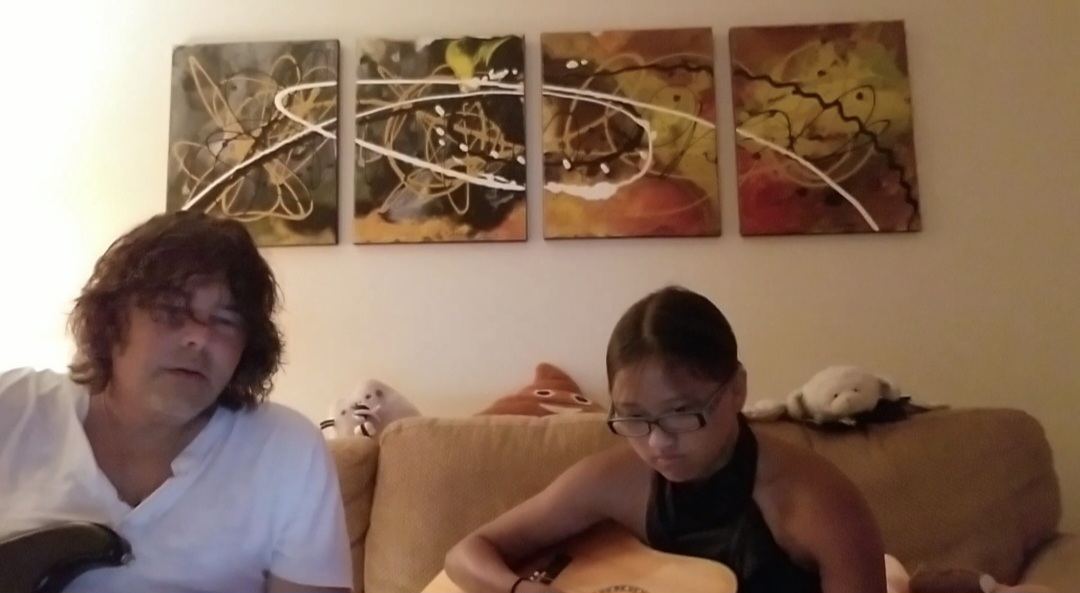
It was only a week before something happened I will never forget. She was learning guitar, and learned a song that she had heard me sing, “Chasing Cars” by Snow Patrol. One night, we both sat down and recorded a video of that song, with me singing vocals. A moment I will always cherish.
As I chugged through my survivorship, I would face many health challenges, which would mean bringing new technology, my phone loaded with my entire music catalogue. During appointments of rehab and physical therapy, I would once again play motivational music for me to exercise.
Approximately five years ago, something happened. After listening to their father’s music their whole lives, it was their turn to make their musical influences on me. It is an easy task with me being open to nearly all genres.
(photo from The New York Times)
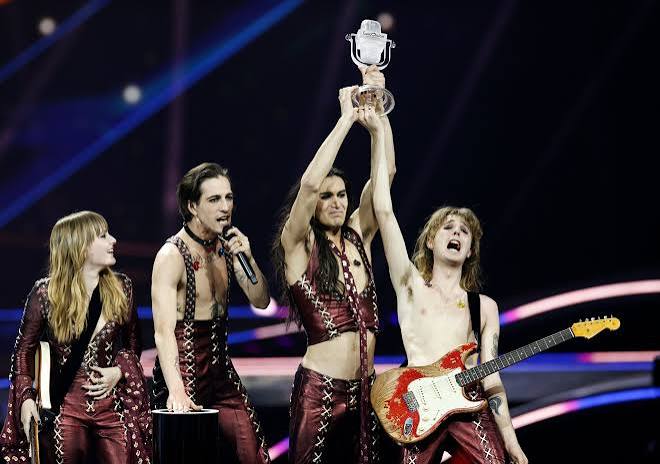
Eurovision. I had never even heard of it before, even though the international competition gave the world one of the most popular bands of all time, ABBA. My oldest daughter started showing me old video clips, and soon, we were watching each year’s competitions.
(image courtesy of Variety)
(image via IMDB)
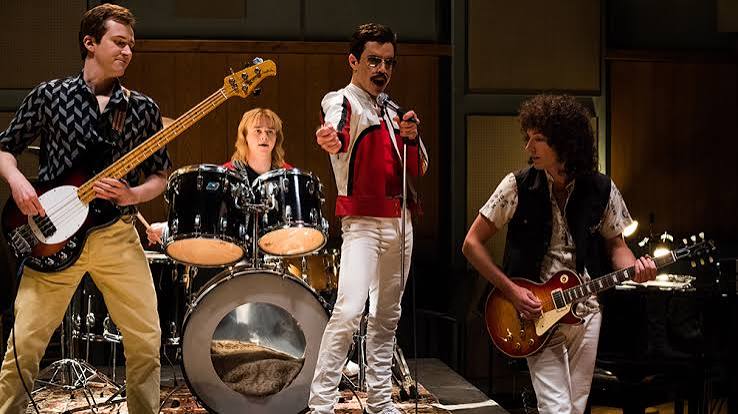
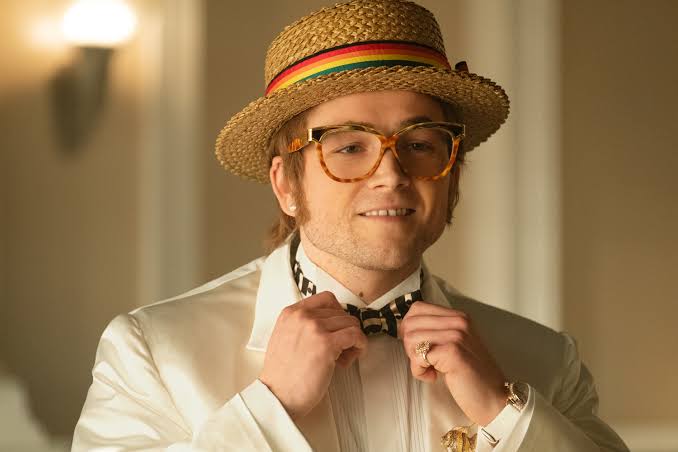
And then two blockbuster “rockumentaries” came out, Bohemian Rhapsody about Queen, and Rocket Man about Elton John. And the connection was made about music they listened to in my car when they were younger. But now, older, once in my car, the blue tooth gets hijacked from my older daughter’s Spotify and I am introduced to new music, not mainstream, but indie music. And not just indie music, it turns out that she is often going to see them live when they are local. The full circle moment comes when some of the venues she goes to these concerts, are some of the very same venues I saw concerts at decades ago. And since punk and alternative genres are some of her favorite, some of the bands I listened to have popped up in her collection. This was cool to hear. But my musical tastes are now expanding, including the Marias, Bikini Kill, and Amyl and the Sniffers.
(image courtesy of Wikipedia)
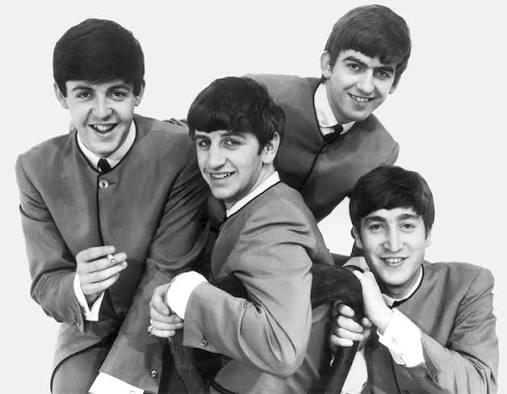
My younger daughter, not be outdone, needs electives for her college education, and on a whim, thought a course on the Beatles would be interesting. It may have originally seemed like just an easy padding for her GPA, but she really has enjoyed the course so far, learning all of the history of the Beatles together, and having me fill her in on the post-Beatles years. We have Beatles chats at least twice a week.
But then her discussion takes an unexpected turn. She really is confused as to how the Beatles, so good, so popular, could just break up, and never take an opportunity to get back together, until it became impossible. She admits that seeing Ringo and Paul appear on the same stage in recent years show that it could have happened. And then she turns to me.
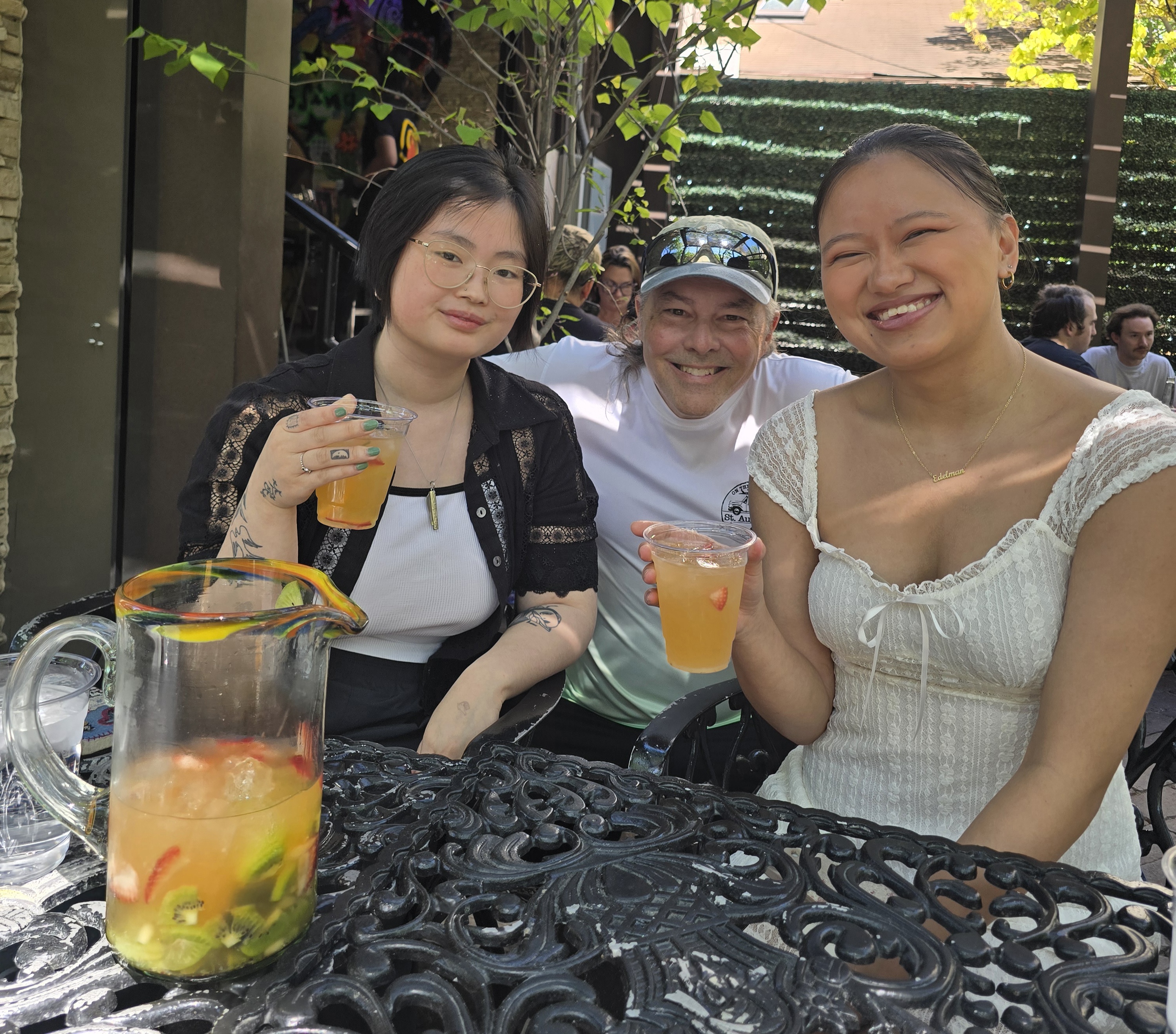
“Do you think you will ever want to perform again?” That came out of nowhere. She had heard me sing many times, and knows how important music has been to me. About the time that Covid hit, is when I stopped performing, well, because of the obvious. But over my survivorship, singing for me has not only been about the music, but therapy for my lungs and my heart, keeping both in optimum shape best I could. As long as I could expand my lungs enough, my technique and my sound was good. But without singing regularly, I stopped.
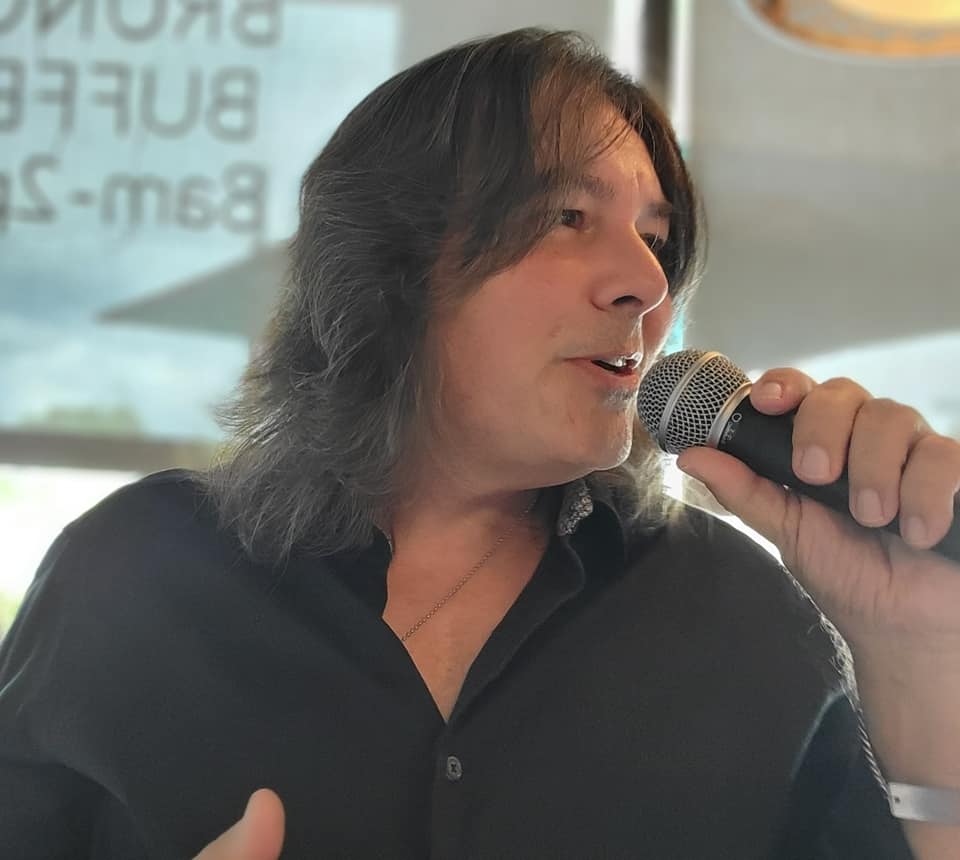
Getting back to her question, I thought about an opportunity that had come up almost a year ago. Some local musicians had gotten together, just to jam, and needed a vocalist, and asked if I wanted to sit in. It had been a while, but I really wanted to give it a go, no pressure, just to see what I could still do. Some of the players were new to me, which enabled a wider catalogue of music, songs that I had never tried before. By the end, I lost track of how many songs we had done, but they definitely enjoyed the jam session. But just as importantly, even though I was exhausted, I felt really good with how I did, my lungs supporting my voice.
And then came the idea, how about throwing a party, and we could play for everyone. To be clear, I still follow Covid precautions (for every virus now, not just Covid), but I thought I could be safe with just the spouses, and all the while, putting on a great gig. But soon I would hear that the number attending would be four times that of the band and their spouses. Initially, my thoughts were like “cool, haven’t performed in front of a large crowd like that in forever,” but then reality, and panic hit me, too many people, in too tight of an area, too much exposure. I had never felt like that before, and really felt embarassed by it, but my concerns about exposure were legit. And with this panic in my head, I bailed.
So, getting back to my daughter’s question, I can honestly say that I would love to give it one more go. I know my lung capacity has gotten worse over the past year, and my fatigue has become an issue. I would have to practice and train to build up my stamina, I honestly don’t know if I can. Would I take the opportunity if everything could be worked out? I know my daughter hopes, “yes.” She knows what music means to me. And that is purposely in present tense, it still matters to me.