Paul's Heart

Life As A Dad, And A Survivor

Archive for the category “The Heart”

The Toughest Part Of My Heart Surgery


A post from a fellow Hodgkin’s Lymphoma survivor triggered an emotional flashback for me recently.  A young parent themselves, one of their main concerns, is for their young children, and this will be the first time that this friend will be apart from their children for any amount of time.  Even more relatable, are two main factors, this fellow survivor is having open heart surgery, and their children are the same ages as my daughters were back in 2008.

My daughters were three and five years old, and had never been apart from me.  I went from just telling them, I had to go stay overnight somewhere for something special, but would see them the next day, to the horror 24 hours later of thinking I would never see them again.

A blockage had been discovered that was believed correctable with a simple stent being placed.  I would be up and going in just a week, an overnight stay in the hospital.  No big deal.  I was still coming out of the anesthesia that day, when the doctor was informing my family, my situation was more grave than thought, and instead I would need to have open heart surgery the next morning.  You can read the story “CABG – Not Just A Green Leafy Vegetable” for that whole situation.

But as I came out of the fog from the anesthesia, and began to understand the severity of what I was facing, there was even a more daunting concern for me.  If anything bad happened to me during this surgery, I never got to see or hold my daughters again, especially before the surgery.

I am a firm believer in not discussing things with children that are not age appropriate, and this was something that was not going to be discussed with them in great detail.  But that did not make my heartbreak any less.  Even if the surgery was successful, I would be in the hospital, expected to be about a week in length.  I had never been apart from them at all, even until the day before for the stent process.  I got to talk to them on the telephone that night before, and that was going to have to be good enough.  In less than eight hours, I would be taken down to the operating room.

Three days following the surgery, out of the ICU and in a private room, I still had some tubes and wires, but not nearly as many as when I first came out of the surgery.  At that point, it was decided to bring my daughters to visit me, a surprise visit, because they were all I could think about.  My older daughter was curious about all the equipment that I was hooked up to.  And the joke, er… concern, was that she would not do to me what she did to her mechanical horse Butterscotch, when we were not looking and she started pulling the horse’s wiring apart.  My younger daughter on the other hand, sat on the foot of my bed.  This was the first either of them had seen me in this type of condition, and clearly she was scared.

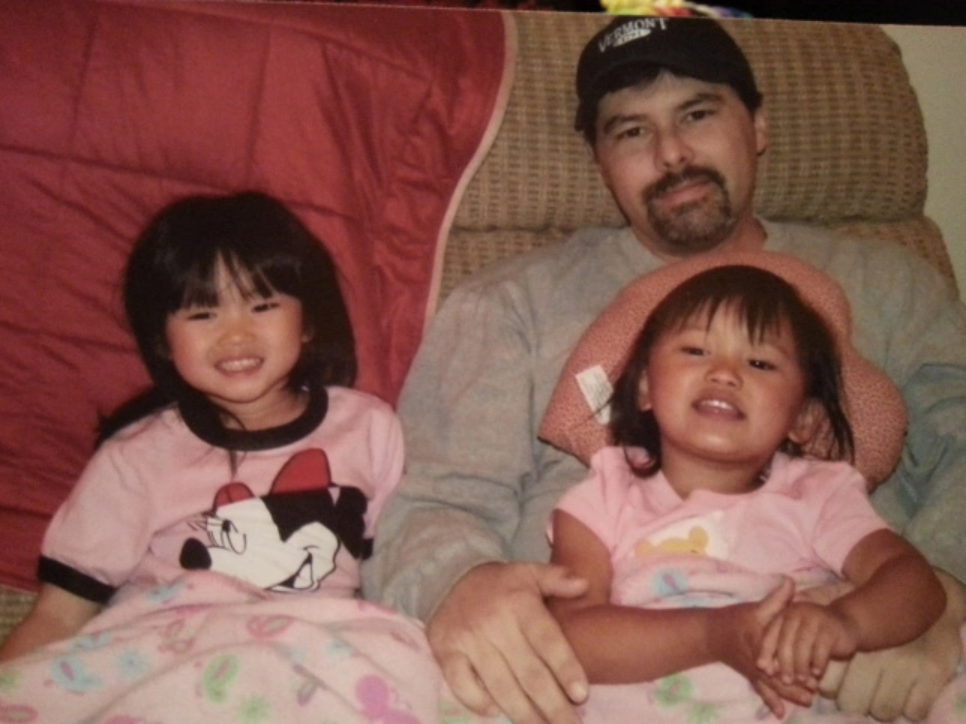
The picture above, was taken a couple days after we got home, no worse for the wear.  In fact, my younger daughter had resumed her playfulness with me, forgetting the fragile area of my chest, starting from across the room, running full tilt at me, unsuspecting, planting her head into my chest like a battering ram.  That was when that “heart” pillow came in handy besides my coughs and sneezes.

My daughters would witness another event, just as severe, and probably more scary, because they watched it happen in real time.  After just celebrating my older daughter’s birthday  that day, an ambulance crew was rolling me out of our house on a stretcher, again facing a dire situation, septic shock, due to a specific type of bacterial pneumonia I was unaware that I had.  One of the only memories I have of that early 4am event, was the look on my daughters faces as I was rolled by.

As I talked to my fellow survivor, one of the things I wanted to do, as I do with others in our situation, is to share our experiences, as to offer some sort of comfort to the stressful event soon to take place.  I encouraged her to focus on the surgery.

I had spoken with both of my daughters this evening, to gather their perspective on what happened those two time periods, the second time period they were five and seven years older.  Neither really remembers anything from my heart surgery.  And all either of them really remember of the second episode, was all the policemen and paramedics in the house.  It was never a thought to them that I would not come back home, though it was unusual for me not to be home.

For the second time, I had been apart from my daughters.  And this would happen again several times.  It never got easier.  Just as my fellow survivor feels I am sure, our children mean everything to us.  Fortunately they were at an age, where they really did not need to know or understand how serious everything was.  All that mattered to me, was that they knew I would come home.  And with every time something happened, this was how I handled it.  Each time, they believed I would come home.

Late in their teenage years now, they are learning more about my health history, and the origin, my battle with Hodgkin’s Lymphoma and the treatments used to save my life.  They can handle the details as I have given them in small amounts, and not in vivid detail.  As adults, they will learn the seriousness of the things I face, because as they will be my medical proxies, it will be important that they know all the details.

My daughters do not recall anything from my heart surgery, and have very few memories of the second event.  And I am glad for that.  They have witnessed enough with me in the hospital.  They know my situation is serious.

More importantly, they know that they are the reason that I keep fighting when faced with these challenges.  My divorce has caused quite a bit of separation, and while I do miss every moment I wish I could have with them, it pales in comparison to the emotional pain I felt back in 2008 when I thought I would never see them again.

Yet, here I am.  Another year closer to seeing them graduate, hopefully go to college, and perhaps start a family of their own.  Something back in 2008, I never thought I would see.

A Reason To Celebrate Labor Day


It is odd.  We celebrate this weekend for all the wrong reasons.  We recognize it as the “unofficial end to Summer,” the last hoorah to go to the beach or Summer party before schools begin.  Only a select few actually understand what the holiday is about.  Politically speaking, for many, it is not something that is wanted to be talked about.

We know why we celebrated Veterans on Veteran’s Day.  We know why we honor and memorialize our fallen on Memorial Day.  But Labor Day is not just a day off or a long weekend.

Labor Day recognizes the advances of the Labor Movement, as well as those who have contributed to the advances and achievements.  In 1887, Oregon became the first state to recognize Labor Day as a holiday.  By the time the United States recognized it as a national holiday in 1894, thirty states had already recognized this annual recognition (Wikipedia).

The key is what brought us to this day.  It begins with the “evil” trade unions and the labor movement.  The whole idea of this movement was to create a better and safer working environment, and to be able to negotiate for better wages and benefits.  The concept is simple.  It is more successful to negotiate as a group, than individually.  Someone asks for something individually, it is very easy to tell that one person “no.”  But if an employer risks a work interruption, a “strike,” where workers refuse to work until the company and union comes to an agreement, the employer is likely to not opt for the work stoppage and risk profits.  It should be noted, union workers do not earn their pay while on strike, and unless the union is financially prepared, even health benefits are at risk by a “strike.”  It is not really an option that neither side wants.

You can thank the Labor Movement for the “8 hour work day” which became effective in 1886.  Can you imagine what it would be like to have an employer require you to work sixteen hour days?  You can be thankful for breaks during the work day.  You can be thankful for the establishment of OSHA requiring workplace protections.

Labor Unions came into the picture in 1935 with the signing of the National Labor Relations Act.  This allowed workers to organize into unions and engage in collective bargaining (negotiate a contract) to earn better wages, safer working conditions, benefits, and job security.

In the beginning, unions had a major impact on such dangerous jobs as coal mining (a separate story deserving its own post), and many other large industrial jobs.  Eventually other public sector jobs would also join into the labor union representation such as teachers and police.

Over the years, unions have been portrayed as both evil and necessary.  Evil, because to provide a better work environment means it costs a company more profit to provide such.  Politically, as companies lobby the government for assistance against labor unions.  Obviously, if a company can pay someone less, they will make more profit.  But the question is, at what cost to the employee?  The answer, a company owner only cares about the profit, not who earns it for them.

If you have never belonged to a union, it is very easy to be jaded against them.  Chances are, all you have ever witnessed, are news stories about strikes.  Whether they be transport workers, nurses, airline pilots, teachers, or whoever, if you do not belong in a union, the immediate warcry is “greedy bastards” when the workers are shown on strike, asking for better conditions and more pay.  And why that warcry?  Because it is likely, that person does not have that representation, and thereby deems it unfair since they do not have the opportunity to have the same negotiating power.  But you do.  You choose not to.

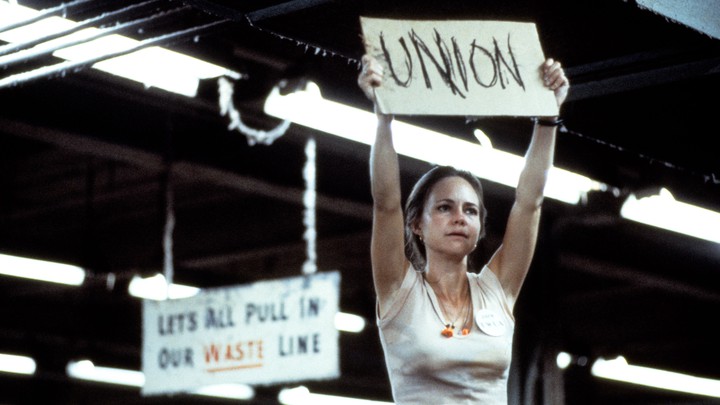
Unions have typically been portrayed as thugs in Hollywood (both of these were great movies by the way, “Fist” starring Sylvester Stallone, and “Norma Rae” starring Sally Field).  There is no doubt that there have been issues of violence associated with labor negotiations.  But I would argue, that for the most part, the benefits of being represented far outweigh the benefits of not being represented.

Personally speaking, my grandmother belonged to the Electrical Workers Union, and was even a treasurer for her local organization.  I laugh at the thought of my grandmother being a “tough guy” in a union, as she stood only 4 foot 7 inches tall, and was quiet in appearance.  My mother also worked with the Electrical Workers Union.

Then came my turn.  But up until that point, I was one, like many, opposed to unions, for the same reasons as others, misconceptions leading to unfair judgments courtesy of my jealousies.  In 1997, an opportunity came up to work for a major pharmaceutical company, with the entry level position, including union membership.  I would become the third generation belonging to a union, oddly, the Oil, Atomic, Chemical Workers union, yes, in pharmaceutical.  Immediately, I would see the difference and the benefits to me.

In 1988, I was diagnosed with cancer.  This made me uninsurable for health insurance, life insurance.  Hell, employers did not even want to hire me at all, just because I had cancer.   But the first benefit I received following my probationary period?  Guaranteed Health and Life insurances.  You see, the union negotiates this for their workers.  That is why they call it collective bargaining.  Because it benefits their entire group.  Everyone in that group has to have the same thing.  I could not be turned down just because I had cancer.

Sure, the money was also good.  And compared to other pharmaceutical companies that did not have union representations, my counterparts were lucky to make even half of what I was making.

Work environment?  If I felt my work area was unsafe, or equipment was lacking, I could count on my union leadership to demand action.  In industrialized jobs, workers are automatically at a higher risk for injury and death, and deserve all precautions to keep them as safe and protected as possible.

And a big thing with unions, job security.  Do you know anyone who was fired just because a boss did not like the otherwise productive employee?  Have you ever been laid off from work, after working decades, while the company kept someone who just started, simply because they made less money?  Seniority is one of the pillars of the labor movement, job security.

Of course, there are problems within the unions, the slackers who goof off while other good hard workers carry a respective work ethic.  Some of these get into trouble, and seemingly get away with it, unscathed.  That is the benefit of a union, representation to get you out of trouble, by accident, or intentionally.

My experience with the union, I will always support unions.  Besides finally obtaining insurances that I was otherwise denied, my wages allowed me to purchase a home, and allowed me the opportunity to bring the two most important people into my life, my daughters.

And when I needed my union the most, in 2008, following my emergency bypass surgery, for my heart, caused by damage from my cancer treatments nearly twenty years earlier, when my employer threatened to fire me, as my FMLA (Family Medical Leave Act) days had expired and demanded me to return to work, even though I had not recovered.  My union fought for me with the Americans With Disabilities Act protections.  You try to do this working for Walmart.   Eventually, I would become a shop steward, a “lawyer” or union representative for my co-workers myself.  And I was a good one.  As one of my co-workers noted, I may not have been well liked by all (I was a stickler for rules, so I could be a pain in the ass), but everyone knew I would support and protect everyone.

I worked for my employer another five years before my disabilities became too much for me, and for my employer to accommodate my health restrictions.

When it came to my early retirement, my union took care of me as well.

The same cannot be said for my peers with other companies who do not have representation, doing the exact same work as me.  But envy should be held against me, because I had representation that I was worth as a human being?  Or should there be displeasure in the fact that someone is either unable or unwilling to establish representation?

As you are out on the beach today, or having a barbecue, be glad for unions and the labor movement.  That is why you are hopefully not being forced to work today.  And if you are being forced to work… I hope you are being compensated properly.

I Live Smart, Not In Fear – Living In The Shadow Of Covid19


It is a double-edged sword, a Pandora’s box, to be aware of your health, that you face vulnerabilities in life.

As a cancer patient, when we hear the word remission, it is instinctual to expect to move on, return back to our life pre-cancer.  It comes as a shock when years later, some of us discover, that the treatments that were used to save our lives of cancer, only cause other issues, some serious, later in life, a trade-off of one bad thing for another.

When we become aware of these late developing issues, we have two options: ignore them, or face them and manage them.  In either case, we still have our life to lead.  To those around us, from close family, to friends and co-workers, the answer is simple, “just get over it.”  To the patient themselves, not so simple.  When we were diagnosed with our cancer, if we just tried to ignore it, and move on with our lives, we would surely die.  For many of the late side effects some of us develop, it is that same situation.

In my case, my first awareness of my late effect issues was discovered in April of 2008.  A simple phone call to my family physician, in less than a week led to a test unusual for a then-42 year old, but open heart surgery to prevent a fatal heart attack that was imminent.  The surgery was a success, and I would recover.  Again, for those around me, that should have been the end of it, time to move on.

Upon discovering the cause of this cardiac condition, and in the rush to correct it, other things were missed that were discovered with subsequent testing.  In other words, there was no “just getting over it.”  In just the immediate discovery following my bypass surgery, it was discovered that two of my valves have also suffered progressive damage from my cancer treatment as well.  As anyone with valve issues of the heart will tell you, it is not easy to go day to day, waiting for the time to come, to correct those valves.  And in my case, my list of these types of issues goes on.

But has my life stopped?  Absolutely not.  Do I have my limitations?  Sure.  My arms no longer have the mobility or flexibility to throw a softball.  I do not have the endurance to ride a bike.  And due to the fact that I have no spleen, removed during my cancer days, I have to avoid people when they are sick, my immune system being compromised.

Yes, that is John Travolta in one of his earlier movies, “The Boy In The Plastic Bubble.”  It is the story of a young man with a challenged immune system, and the only way that he could “enjoy” life.  It is crudely told, but simpler put, the only way to protect him, especially from others, was to keep him sealed in his own environment, and sacrifice anything and everything.

Asplenics (those without spleens) like me and those who have other immune challenges on average do not face this extreme of a precaution, though we do still rely on others around us to do the right thing.

I recall years ago, challenging my employer when a co-worker came into work with strep throat.  The average person can contract this bacterial infection, may even know that it is contagious.  But unaware of anyone else around them, with a compromised immune system, could spread the illness, perhaps even causing death.  I told my boss I was going home if the contagious person remained.  I had nothing against this co-worker, in fact, he and I were friends.  But I was not going to be put in a position where I could die because of his selfishness.  And surprisingly, my employer did not seem concerned about strep throat being spread amongst the rest of the company, as the employee remained at work.  It was left up to me if I wanted to do without the day’s pay.  And I did just that.

To take care of ourselves daily, to prevent common issues like the cold, the flu, and other such ailments, we are always told to do the most simple of things, cover our mouths and noses if we cough or sneeze, and wash our hands.  These are pretty basic and if taught at an early age, becomes instinctual.  Unfortunately, we can all attest that not everyone appreciates or participates in this courtesy of hygiene.

Every year, we are put on alert about some new outbreak of some sort.  And those of us who care, are considerate, and most importantly, care about hygiene, go the lengths we do to prevent catching anything.  Some even resort to getting vaccines when offered.  But we lived on with our lives.  We had things to do.

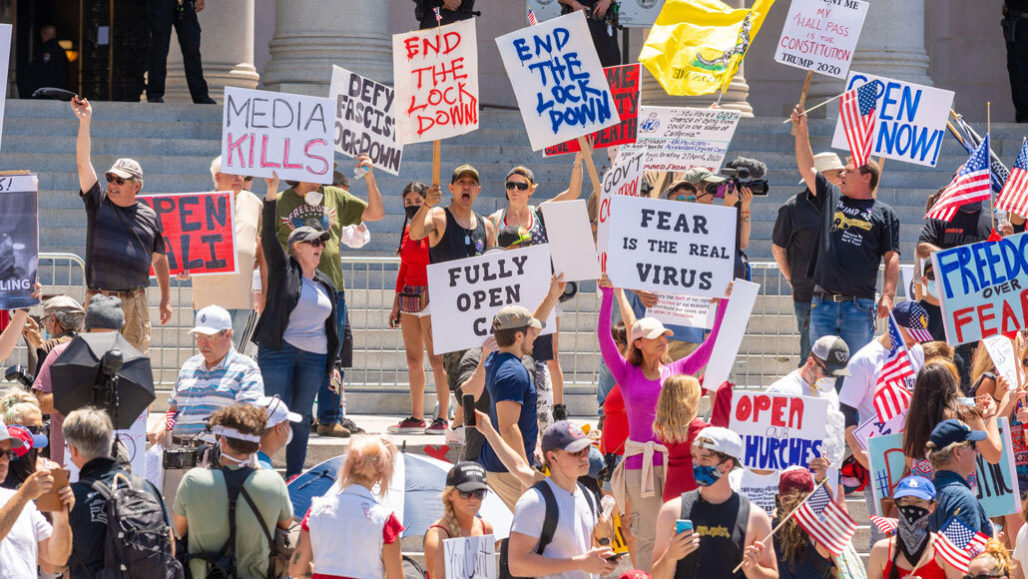
But at no time, do I recall ever hearing the war cry like I hear today, “stop living in fear!”

Covid19 and unfortunate connection to politics has changed not only how we protect ourselves, respect others, but if we even believe a virus or illness is serious enough, or even exists.  I know that I have never seen this type of attitude before in my life.

So, we are recommended once again, to do the most basic of things, wash our hands, and cover our mouths.  As the messages get ignored, the advice turns more urgent, recommending additional precautions, such as distancing or not gathering in crowds or wearing a mask, which became even more of a contradiction in messaging because we were not prepared for a shortage of masks, ignoring the fact that our first responders needed the masks so that they could stay safe to save the lives of the sick.  Too many felt masks were not necessary because of that mixed message and then the conspiracy theorists ran with all kinds of stories, burning our country like a California wildfire.  As for the distancing, instead of being about safety, it became an issue of sacrificing our freedom.  Seriously, I am not old enough for the polio outbreak, too young for the flu pandemic of 1917, and all of the other epidemics, but I do know, that I have never seen anyone, or entire populations who felt their need to party and gather outweighed their common sense, and in some cases, political pride.

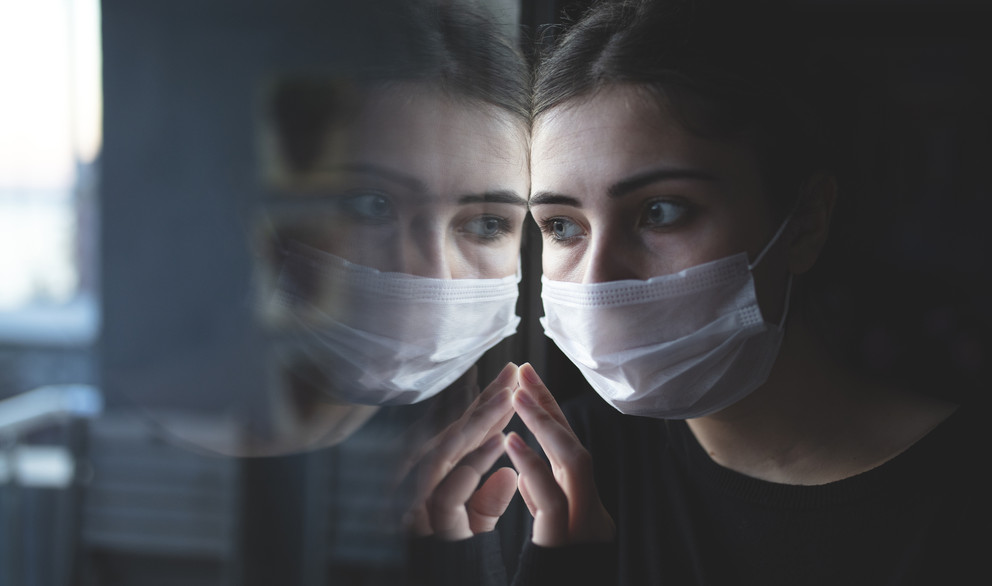
But if you are like me, even if you have your spleen or no other vulnerability, if you make the choice, to follow advice given to wear a mask or keep distances, there is a compulsion to accuse us of living in fear.  And not only is that wrong, but it is hurtful, emotionally, and as far as mitigating the crisis.

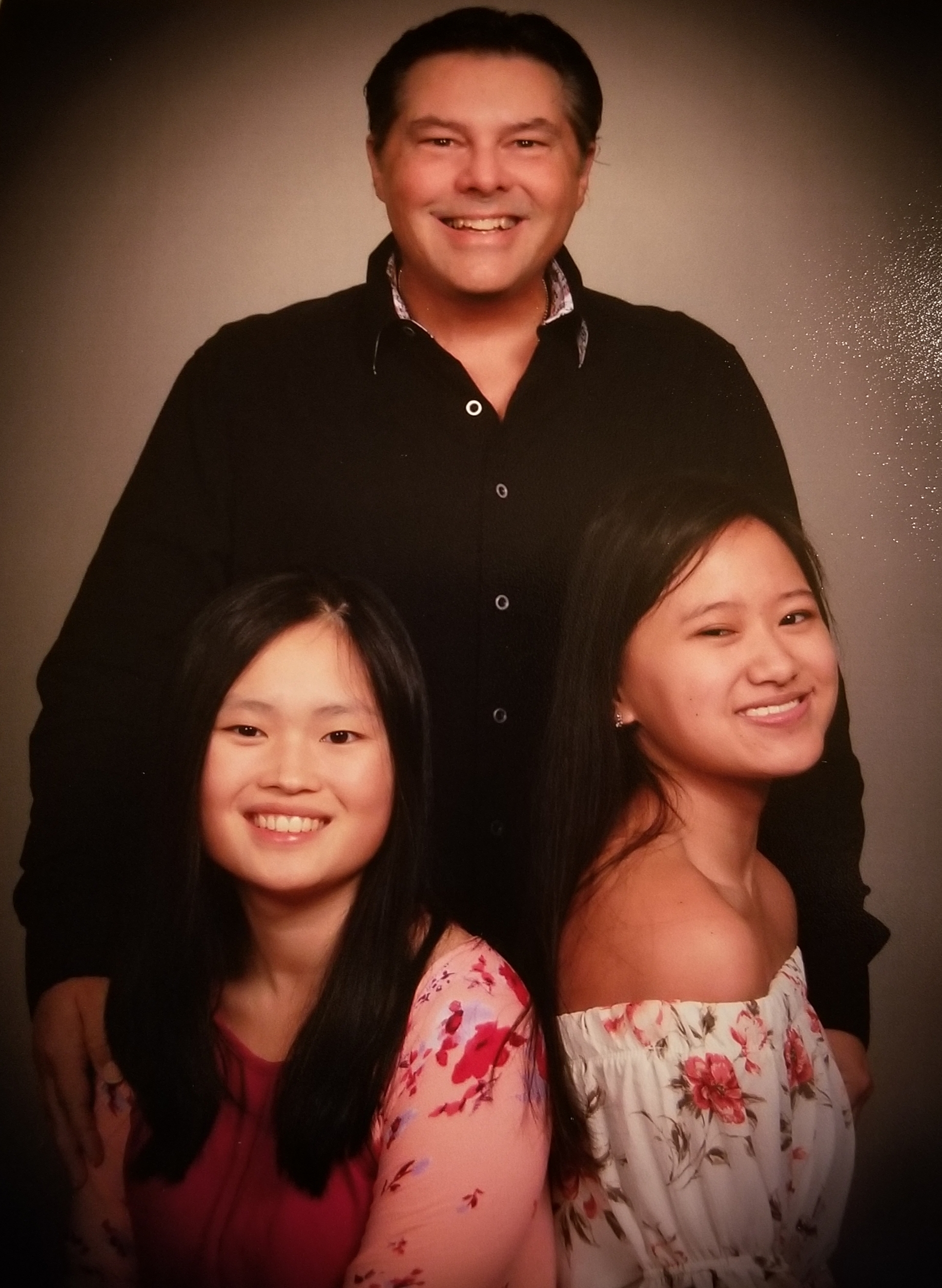
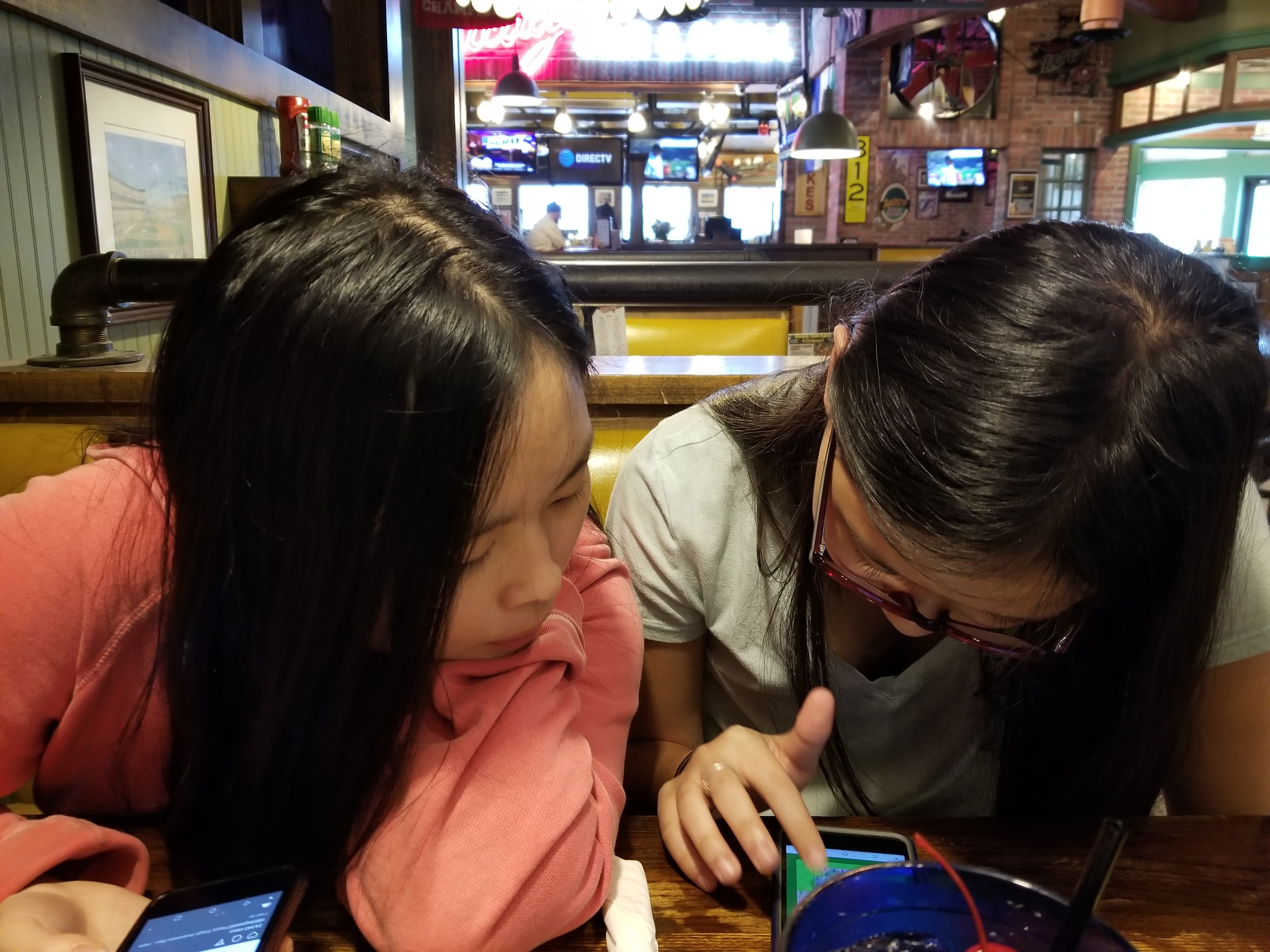
I actually have several reasons for following the recommended precautions, and not just for my health issues.  This was the last photo with my daughters prior to the virus outbreak.  In order to facilitate my next visit with them, I needed to avoid the virus.  And then there is also the thought, I did not want to be someone responsible for spreading the virus myself.  This is can hardly be called “living in fear.”

I must admit, my patience does get tested whenever I hear it.

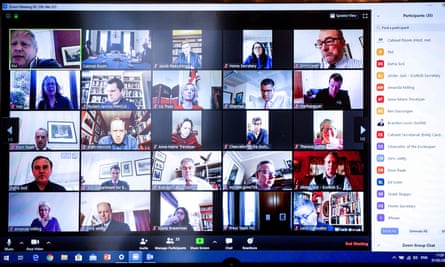
A couple months into the pandemic, a zoom conference was held (not the one pictured above), involving fellow long term survivors of Hodgkin’s Lymphoma like myself, many with the extra vulnerabilities that I have.  The guest speaker was a doctor who specializes in dealing with these late effects, who coincidentally happened to be the doctor treating me.

The majority of the viewers already previously “knew” of each other, and it would be fair to say, that we all have been living our lives as best we can during this crisis, definitely, not in fear.

One of the questions that did come up, obviously on the minds of many of us, what information might he have pertaining to our vulnerabilities and complications, should we contract Covid19.  We already had heard plenty from “healthy” people or other non-Hodgkin’s related people with recognized vulnerabilities.  We wanted to know the potential impact on us.  The truth is, he did not know, other than the obvious warnings for everyone else.

But the doctor did muse over the concept that he was intrigued by that information, this particular group of patients, long term cancer survivors, and the issues and percentages that would be faced during this crisis.

We still do not know all the facts, percentages, preventions, treatments.  We do know that the death toll in the United States is now over 180,000, victims of all ages, ethnicities, regardless of gender, regardless of health.  The majority of us long-termers know the risks and potential issues if we come down with Covid19, and the likely outcome.

But here is the thing.  And it is nowhere near scientific fact.  Out of the 5.7 million cases in the US, I do know of more than two dozen people who have had Covid19, and at least five people who have died from it or complications.  As I mentioned the doctor wondering about us survivors, I know of several who have faced Covid19.  Some had quite severe cases, and some were mild.  Miraculously, we have not had to mourn anyone.  Again, this is not scientific.  The odds are clearly against us.  With many of us having lung issues, once this gets into our lungs, or we end up on a respirator, the odds are catastrophic of our survival, or at least they should be.

Here is my theory why my fellow survivors, at least the ones that I know, are beating these odds.  Awareness.  Our willingness to advocate for our care.  We know how serious Covid19 is.  And we know the precautions that have to be taken with our bodies with normal circumstances.  But even in those most common situations, if we do not advocate for ourselves, mistakes and carelessness can lead to tragedy.  So we tell our caregivers about our fragility whether we are having heart surgery or a tooth pulled.  And when it comes to Covid19, many of us have to give the news to medical personnel, that some of the options being used, cannot be used on us, because it would cause more harm.

For instance, oxygen is a common treatment during Covid19.  But having had the chemo drug, Bleomycin, I cannot get straight oxygen for the possibility of reactivating a drug, dormant and remaining in my body.  I cannot get Dexamethazone or Hydrocholoquine because of my existing cardiac issues.  And we all know the bad news that comes with being put on a ventilator long term, the likelihood of coming off of it, not good.  Those who do not have these pre-existing issues, or worse, not aware that they have them, clearly do not have this advantage, or opportunity.

So, don’t point your finger at me, at tell me that I am “living in fear.”  I am doing what I have always done.  I adjust to the circumstance, and I prepare for the possible.  My awareness, perhaps like my fellow survivors who have faced Covid19 and beaten it, makes a difference, and if it matters, does not impose on you.  And the best part, it might even benefit you.  But I am not afraid, at all, after everything that I have been through?  Hardly.  I have things that I still want to experience, most importantly, spend more time with my daughters.  I do not want the guilt of someone catching Covid19 from me.  Whether you know me or not, I respect you enough to not expose you to this risk.  Is it that much to ask the same.  That is not “living in fear.”

Post Navigation