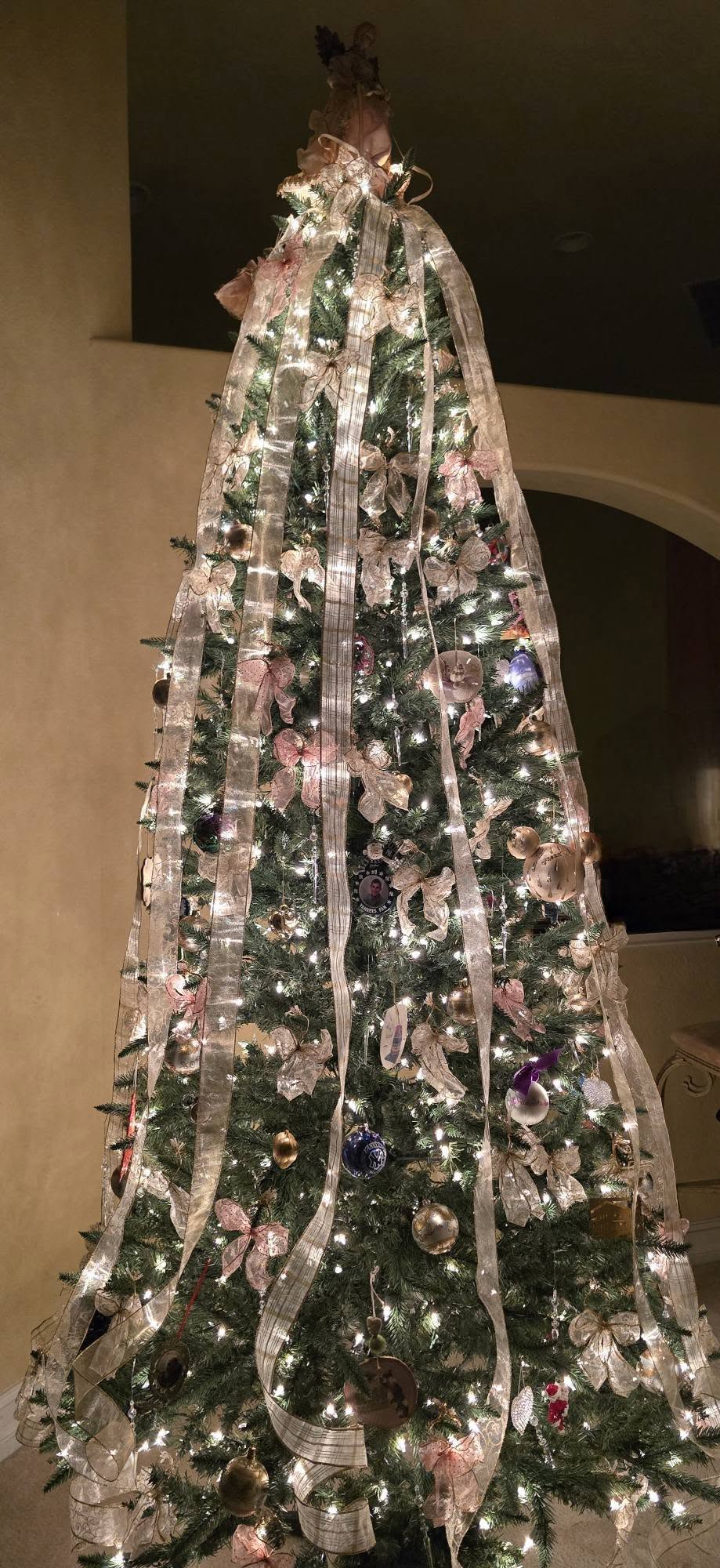
(photo courtesy of Facebook, Scott Fair, Pennsylvania German page)
I would neither try to spell or pronounce this expression in the Pennsylvania dialect, though the last relative I knew who could speak PA Dutch (german) could have done so easily. It means “second Christmas.” Canadians have “Boxing Day,” the PA Dutch have “second Christmas.” It is a continuation of the Christmas holiday, but whereas Christmas is more known to be more chaotic, there are no gifts to exchange, no urgency to assemble for dinner, or get to a packed church. Second Christmas is all about spending time, and a bit more quietly, with friends and family. Sadly, there are not many who are aware of this tradition anymore, which has been replaced with mad dashes back to the stores for returns and after-Christmas deals.
The Christmas holidays can be seen as an end of year “check point,” a chance to look back on the past year as Christmas signals the end of the current year. New Year’s kicks off the new year, duh.
The one thing that remains constant for many, myself included, is the Christmas tree. Year after year, it holds the same decorations with one or two new ornaments, representing a place I have visited that year. My tree is filled with ornaments and all the places I have gone. The tree is the one thing I can count on during the holiday season, to not cause me heartache.
I have mentioned many times over the years, the emotional duress I feel during this holiday. Whether it be someone’s passing or a medical issue, I have rarely been allowed to enjoy, just the holiday, and this year has been no exception. Compound this with the memories that happened just this past year. As I have gotten older, that means there are less people in my life than there were last year, and I am more aware of who and what I have lost. It does get harder to fake the holiday happiness for the sakes of others putting more pressure on me. And I definitely contrast Christmas’s of past with today, quite clearly in fact, often grieving for those memories.
It was much easier to get through this holiday when my daughters came along, because it was no longer about me and the losses I kept experiencing. For my daughters, it was about experiencing magic, believing in good, and keeping in their hearts the kindness and empathy they had been taught. But just as it happened as I got older, my elder’s Christmas changed, just as mine has over these years. My daughters have their own tree to decorate instead of help with mine. There’s no more anticipation of gifts magically appearing under the tree if they slept through the night, or woken up before the sun came up.
Everything is just quieter now, only memories fill the air, wanting my daughters to be little again, or even myself. Reflections that could take me back to a time, when I did not have to deal with the adult losses that keep happening this time of year.
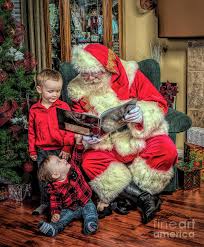
(photo courtesy of Fine Art Media)
I never expected my Christmas to be a Norman Rockwell painting or Hollywood movie, and my holidays over the last decade plus years have been far from traditional especially with my daughters. But we have made the most of those years, and we have plenty of memories from when they were younger.
Now it is my daughter’s turns, as adults, to start making their own Christmas memories and traditions, and I, along with the memories that I have to offer, will be a part of their holidays as well.
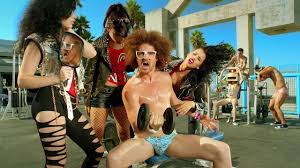
Sorry, but it was the only photo I could find (of LMFAO), and play on the fact that today, I reached my 60th birthday. I’m sixty and I know it.
If anyone had ever told my mother what a complicated life I was going to have when I was born, she would have told them, he will be able to handle it. My mother only recently has begun to tell me of my earliest moments and difficulties. It appears I either learned survivorship instincts that early, or I might must have been born with them. But here I am, turning 60 years old today, a day I never thought I would see. At the age of 22, I was diagnosed with cancer, Hodgkin’s Lymphoma. I never thought I would make 30 years old. Why would I? All I knew of cancer was people died from it. My doctor did not help that either, when all he talked about was a 5-year survival rate. Nothing about ten, twenty, or even my current 38 years of survival. I had no reason to think I would be here today.
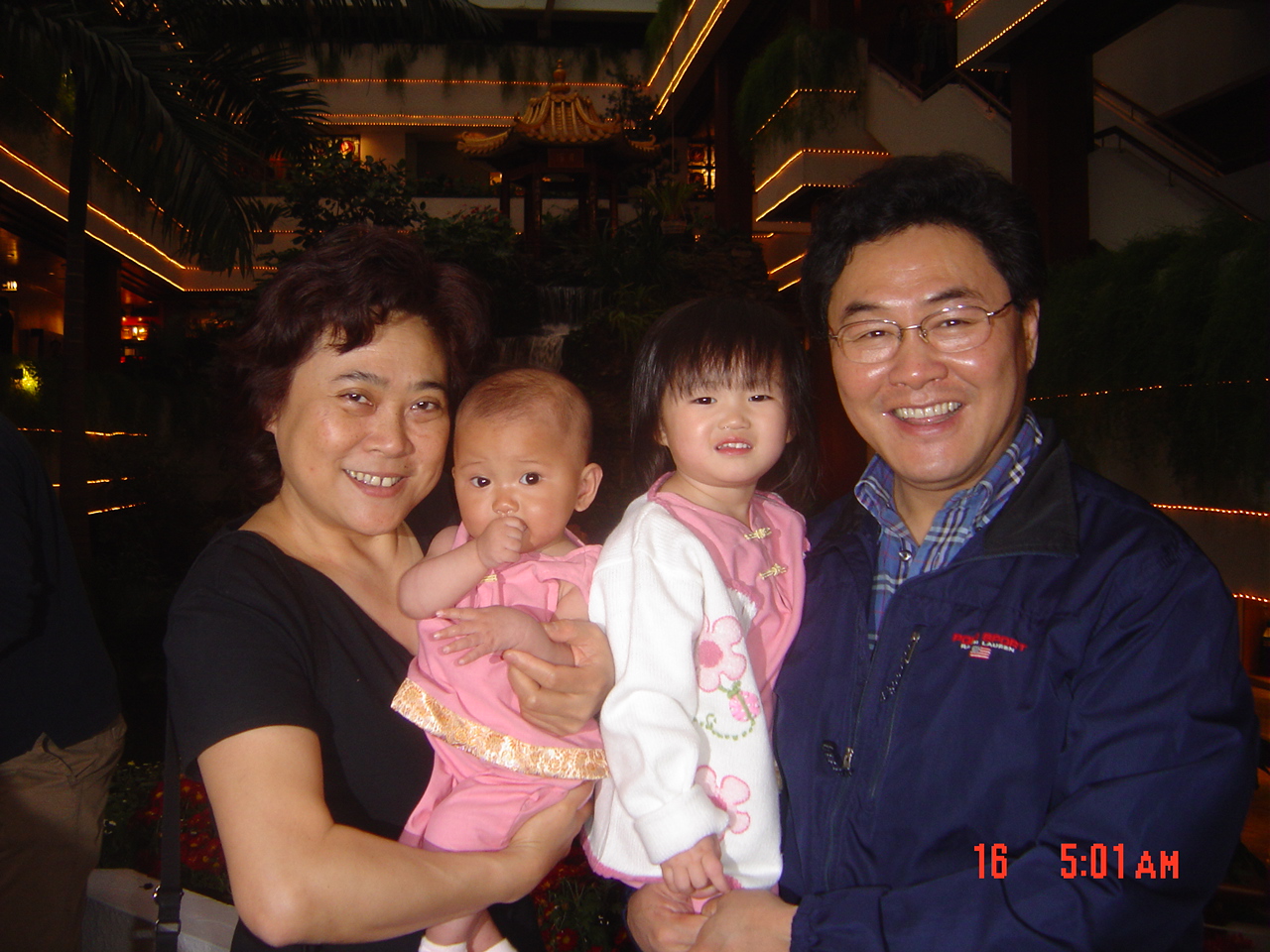
Four years after this photo was taken, at the age of 22, I was diagnosed with cancer, Hodgkin’s Lymphoma. Considered a rare form of blood cancer, it was also difficult to diagnose. As a society, we do not celebrate those who survive cancer. What I wild ride it has been, like a roller coaster with so many ups and downs, twists and turns, and seemingly G-force speed.
I recently watched a video of one of my favorite actors, Dick Van Dyke, talking about his longevity as he celebrated his 100th birthday. The interviewer asked him what his secret to living this long was, and he said that he did not know. While I do not expect to make another forty years, the fact that I made it this far, I do not know how either. Over the last thirty-eight years, my body has gone through so much trauma, not just from the cancer itself, to all the late side effects from my treatments, and the many sources of so much stress of which only in recent years, with the practice of Buddhism I have learned to keep stress in its place.
Over the years, I have kept a balance between living life after cancer, and not forgetting what cancer had given me, while not letting it define me. I am definitely not where I thought I was going to be when I was 22, but I am right where I am meant to be. Not the life I planned, but the life I have, and with all its twists and turns, I am okay with where I am right now.
If you are able to speak to a grandparent, as I once did, and ask them about their life and their experiences, you would likely hear tales of all the different eras from the great depression, hippies, and all other kinds of experiences over time. But someone diagnosed with cancer, would likely never have that chance to have all of those tales and memories. Right? Riiiiiiggggghhhhtttt?
I have so many things to share in just the 38 years since my diagnosis. And some of these things are huge, not just because of the number 38 years of cancer survivorship by itself is a really big deal. It is what has happened over those four decades that is truly exciting.
First, I will get the science stuff out of the way. The barbaric methods used to diagnose my cancer, are no longer done. I have witnessed this progress. The extreme amount of radiation used on me is no longer used, now reduced and focused on specific areas only. The toxic chemotherapy cocktail of MOPPABV, MOPP is no longer used, ABV along with D now considered the less toxic standard, still producing the great remission rates without the excessive toxicity. Even now controlling side effects from low blood cell counts to nausea, make it possible to continue treatments without interruption. Living long enough to see all this progress in treating Hodgkin’s has been exciting.
So what about life after cancer? What has it been like? I made a promise to myself that I wanted to give back to the cancer community for giving me another shot at life. And that began with becoming a cancer advocate for patients and survivors, wanting to be an ear to listen, and hopefully be an inspiration to those following similar paths behind me. I have been a patient/survivor advocate my entire survivorship, supporting efforts in fighting for health care, finding support, and educating survivors on late side effects from treatments.
I chose to work during my entire cancer journey, to this day I am still not sure it was the right thing to do, but the path it kept me on, would eventually take me to a career in medical research and actually handling one of the cancer drugs of my chemo cocktail. This would also be a game changer providing me the necessary health benefits to deal with the multitudes of late side effects from my radiation and chemotherapies.
I finally got the dog I always wanted, even before cancer. And for nearly 15 years, he was always by my side, especially his last five years as I was challenged with heart issues from my treatments, his presence made all the difference.
There is nothing and no one more important in my life as a cancer survivor, as those of my daughters. They are my world and have lived through over half of my survivorship, the most difficult of those years. My daughters are my driving force to get through each health issue I get diagnosed with, and there are a lot. But realizing that I have no control over my mortality, I go to bed each night, with plans for the next day, the next things I need to deal with my daughters, now as adults, there are things I need them to know and prepare for.
But wow, have I had fun watching these two grow. From helping with homework, to extra curricular activities, and then on to planning for college, I have had the chance to continue to teach them the importance of money, responsibilities, voting, self-care such as doctor and dental and eyes, and as they near the end of their college careers, they have some big choices ahead, and I hope to be one of their influences, jobs, relationships, a home. I have done what I can to be a good role model for them, to give and get respect, prioritize, manage their time, and to not get tangled up in bullshit that does not concern them. I could not be more proud of both of them.
I’ve gotten to travel, a lot in my earlier years of survivorship, not so much today anymore. I bought a house. And I have met so many people over these decades in so many different capacities, all I consider a blessing because they all gave me a variety of experiences.
Something I never thought I would do, I jumped into our local school board election as a candidate. While I had belonged to organizations before, and never shied away from leadership, this was a first for me. I met so many interesting people and friends, of whom I still consider friends to this day.
I can never forget those involved in helping to create my family and the many friends I met through adoption, again, still friends after all of these years, all of our children now adults, college graduates, married and with children of their own.
And then there are the most important and critical people in my survivorship, my fellow Hodgkin’s survivors who I consider not just friends, but family. From Linda, the first survivor who kept after me about my follow up care, to Tobi, Josh, and Jenny (Josh and Jenny have since passed) who were the first survivors I personally met and interacted with to the literal hundreds if not thousands of other survivors in our community, who we all support each other with each crisis we face, there is no doubt where I would be without each and every one of them. There are so many with longer years of survivors, and shhhhh… older in age too, my hopes for more time with my daughters exist because of them. And can I tell you, I am so inspired by the many younger survivors as they build their lives after cancer. Just ead the many stories I have shared here on Paul’s Heart like about Stephanie.
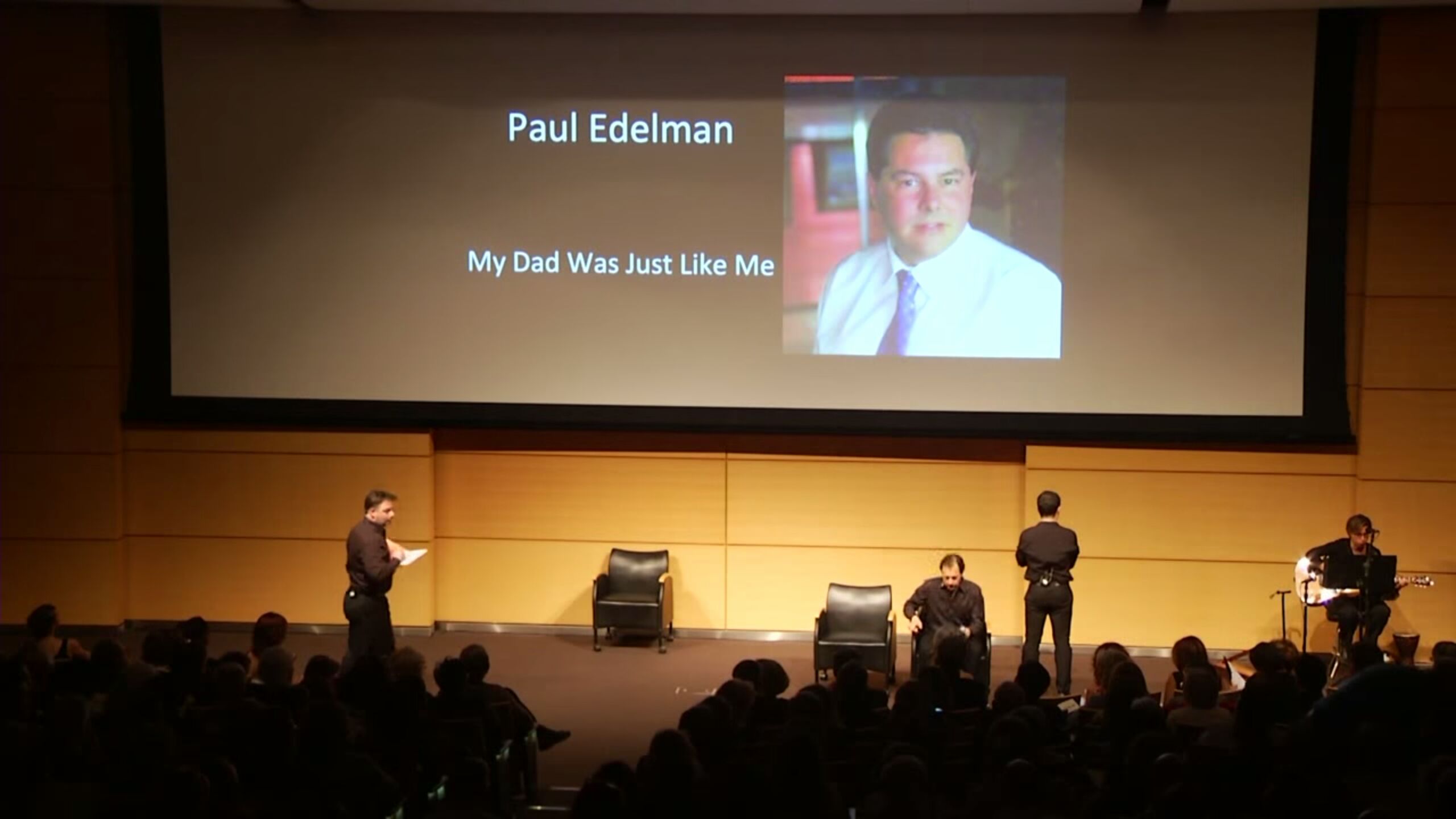
I have written books and other publications, even had one of my stories performed by Broadway actors. This was a fun night. I have given my share of survivor speeches, attended all kinds of conferences and events for Hodgkin’s.
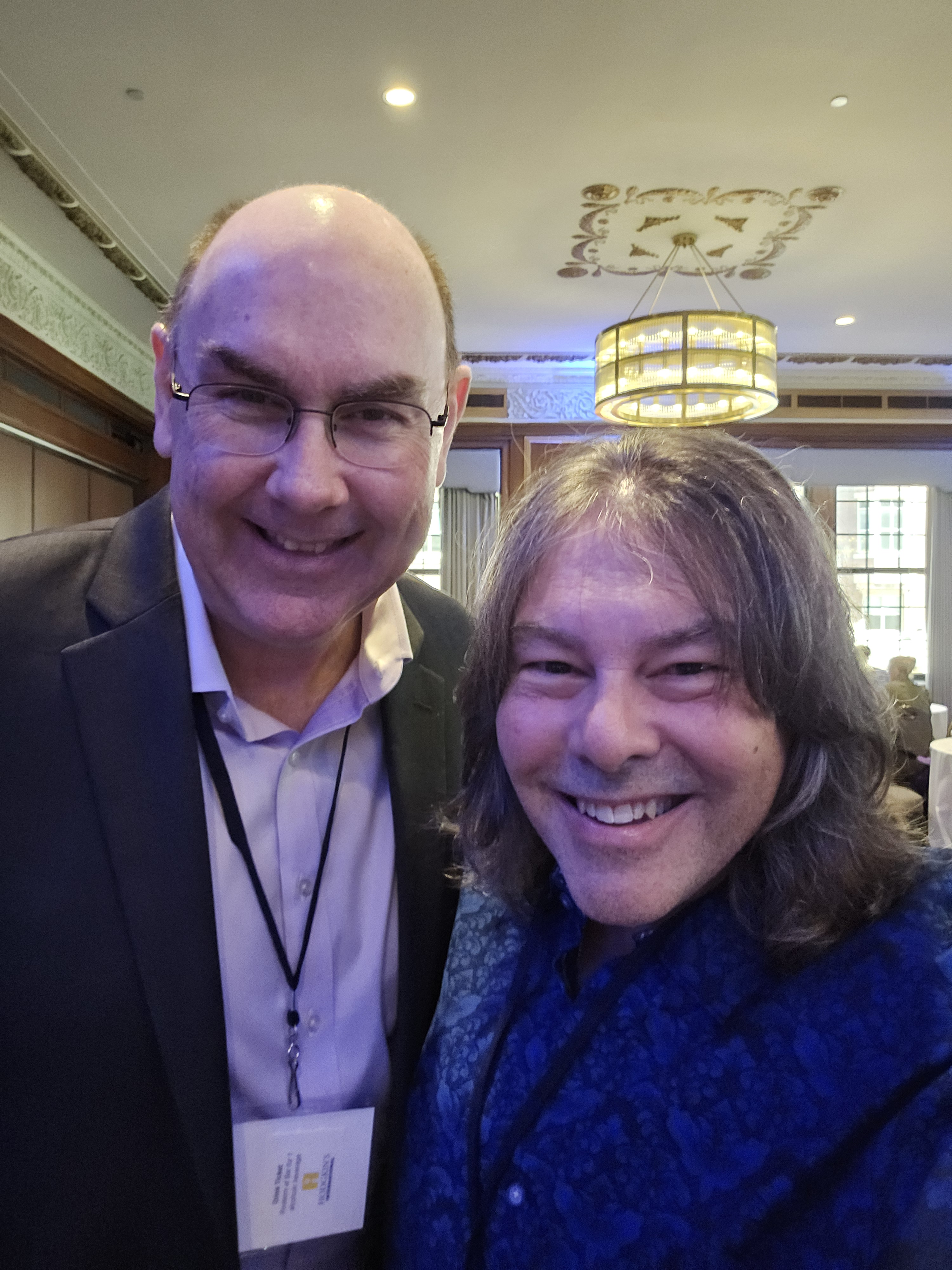
(photo by Hodgkin’s International)
I wrote and published my first book, journaling my 35 years as a cancer survivor.
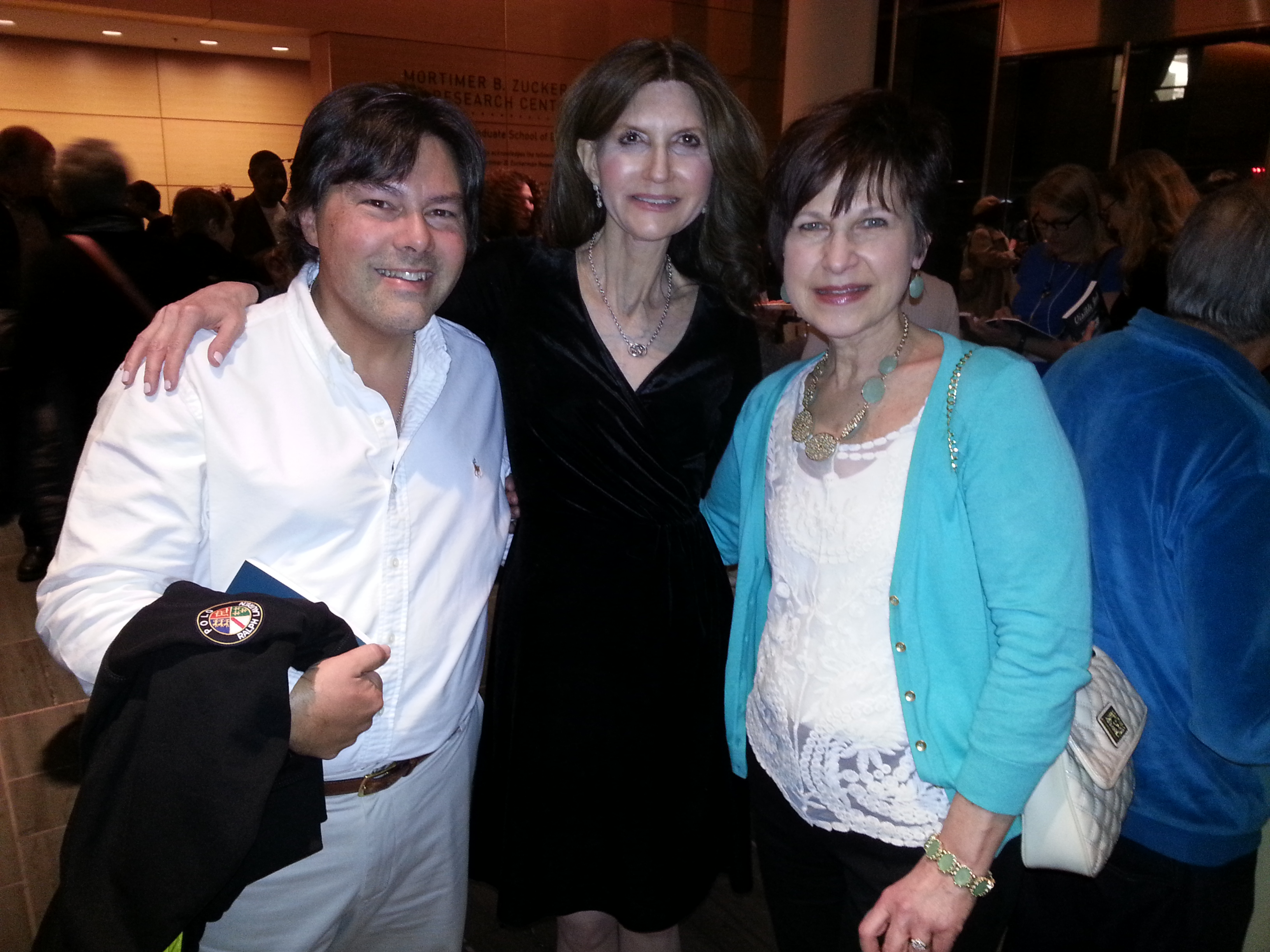
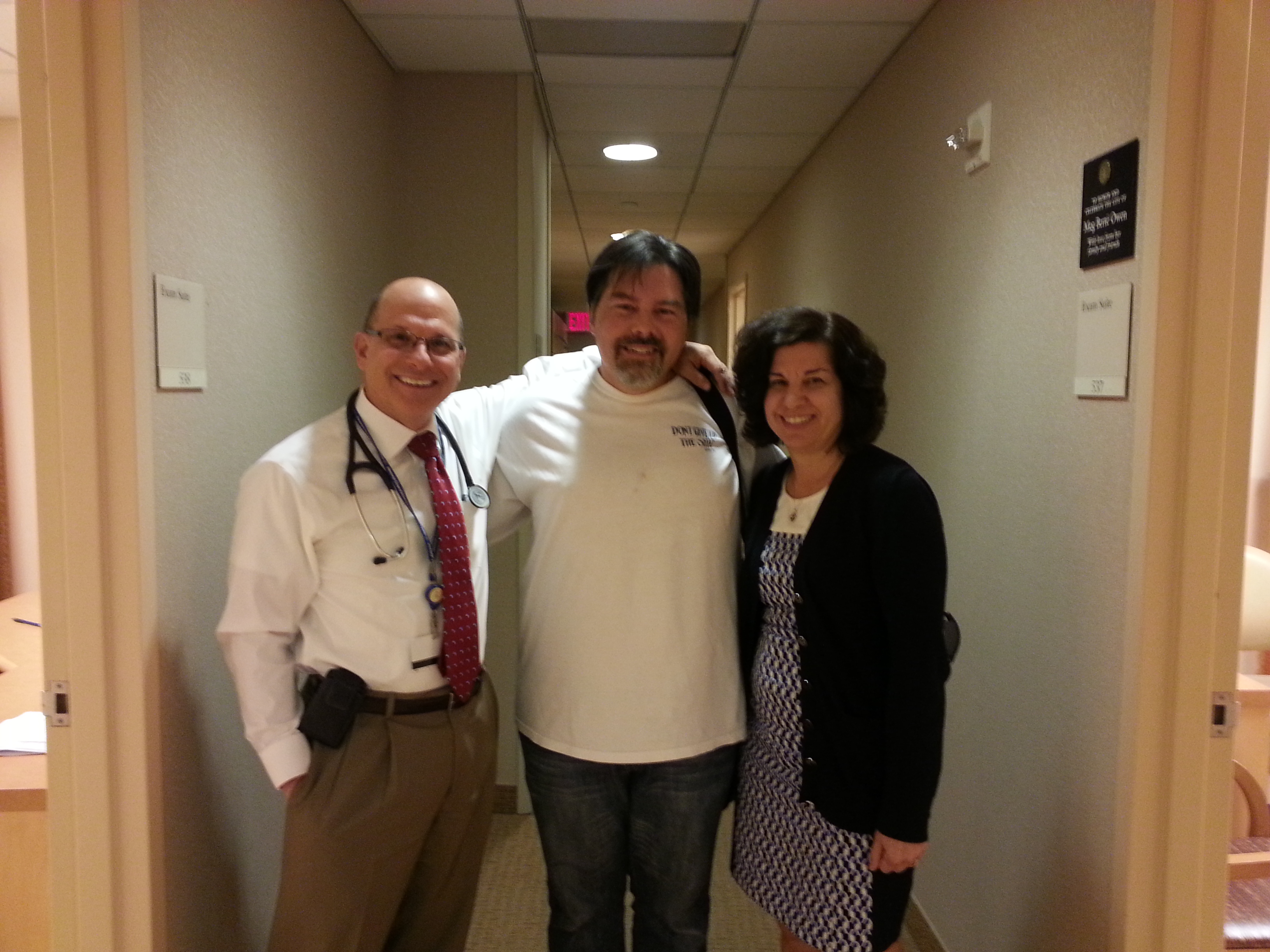
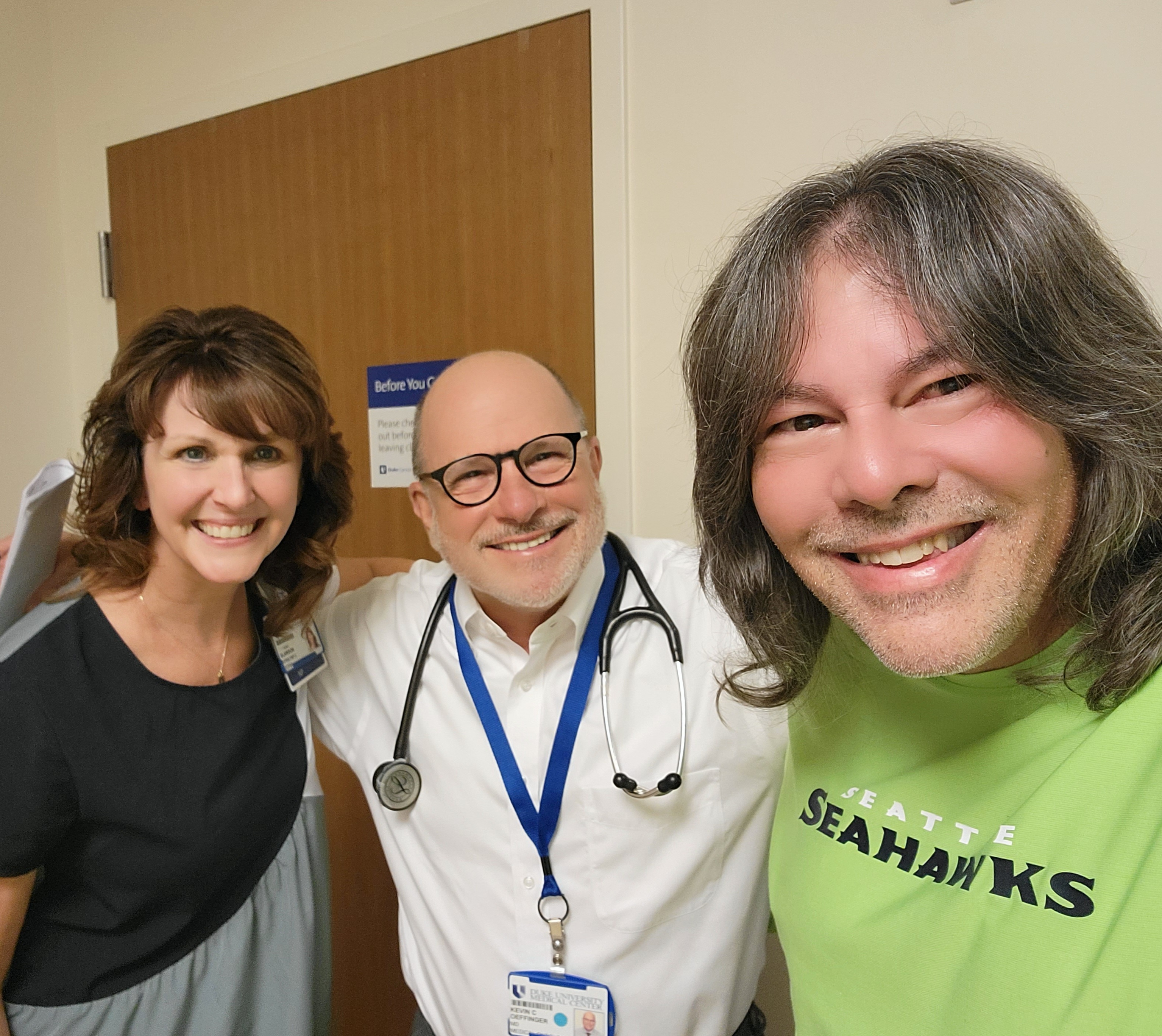
And finally, I would not be celebrating my 60th birthday without the best doctors and nurses in the world who recognized the need and specialty in taking care of cancer survivors who would live long enough to develop side effects from the treatments. I have been so blessed to be taken care of by who I have been. The pictures above are from survivorship, and the photo with my daughters in it, have my oncology nurse from 38 years ago, and my social worker who got me through my emotional struggles during those days. Though I know I have a picture of us somewhere, my primary care doctor of nearly 40 years, with me through it all, my biggest advocate of my survivorship, never doubting or giving up with all the challenges my body put me through. I literally would not be here today if it were not for Dr. J.
These last several years have been a bit more difficult with dealing with my late effects, but I have the best caregiver anyone could ever hope for. I am not an easy patient to deal with, stubborn is an understatement, but my best friend, my partner, my advocate, has been there each step of the way and I clearly would not be writing this if it were not for her. A cruel twist of fate, she accepted a role, unthinkable with her tragic and ironic past herself, to assist me in my survivorship.
So, now I am off to the airport for two very important passengers, arriving today, the ultimate birthday gift which was all that I wanted, and together we are going to celebrate this huge milestone, turning 60 years old as a 38 year cancer survivor.
I have a huge milestone coming up in my cancer survivorship of Hodgkin’s Lymphoma. And unlike past milestones, I want to be able to recognize it, and celebrate it, because it really is and should be a big deal. But I have this issue, survivors’s guilt that I have carried with me my entire survivorship. And it is powerful enough, that with each milestone I recognize, there comes a “yeah but” with every recognition.
I have been this way my entire survivorship. Even as I was going through my treatments, I was so hard on myself, unable and unwilling to give myself credit for what I was going through in spite of pleas from my nurse and counselors. No one is tougher on themselves with survivorship than I am. It is even documented in my medical records. I went through lifetimes, that’s plural, lifetimes of levels of exposure to radiation therapy, and the most toxic of chemotherapy, and yet, my attitude was always “someone has it worse than me.” I was not going to allow myself to feel pity or mercy when others I perceived were going through worse. Through my survivorship, this attitude has continued with the various late side effects from my treatments that I deal with. I talk a good game with those who feel their issues are not as bad others, and I remind them, “that does not make your issues any less real, any less painful, any less important.” Empathy, having been there, done that, I feel a level of guilt each milestone, anniversary, or birthday that I get to experience, when others do not. My survivor’s guilt is not in having survived cancer, not at all. I am 100% grateful for all that I have gotten to experience over the years. No, my survivor’s guilt is for all those survivors that I have been blessed to have met in my life, in all stages of their survivorship from treatment to life after, no longer here, some never having even had the chance. That is my guilt. Why me and not them? As I write this, news has just gotten to me of yet another long term survivor of Hodgkin’s has passed. Of the first three survivors I ever met, over thirty years ago, only two of us still remain. A kid of 24 years old, in remission from Hodgkin’s only a few months before he passed away due to treatment side effects. Long term survivors who needed surgeries to address late side effects for their heart, lungs, skin cancer, etc., only to succumb to complications. And there there are those who have spontaneous events that their bodies just cannot go through anymore. I have had my share of time spent in the ICU, on the operating table, 3 heart surgeries and others, pending cancer diagnosis, and my list goes on. Why am I still here, and others are not? Please, do not tell me I am lucky. Luck has nothing to do with it or I would stand on the beach during a thunderstorm or play the lottery.
Over my years, I have heard my doctors and nurses try to encourage me, to get me to understand how extreme everything was that I went through. And I would tell them that I understood more than they knew. But my internal “toughness” was how I dealt with my cancer, and how I deal with my survivorship. As a result, each milestone, every anniversary, and all of my birthdays, I do celebrate with a “yeah but…” I want this year to be different. I want to give myself permission, that it is okay to celebrate as loudly as I can, what a big deal this next milestone will be. And I know there will be so many that want to celebrate with me.
After some thought, I came up with an idea this year to help me to really appreciate this upcoming Friday, while recognizing and remembering all those who came into my life through survivorship, but not here to celebrate with me. I am going to take care of this, as well as some other things before Friday, all that will be left then is to celebrate a very big day.
I maintain a memorial page of survivors no longer with us, who had the same cancer as me, Hodgkin’s Lymphoma. Some survived decades, and some never even made it into remission. I personally knew most of them. They provided inspiration to me. I miss them and wish they were here right now to see this day. And my thoughts are always with those facing surgeries and other medical interventions for the late side effects.
Now for the other part that I need to take care, and release if you will. There has been a lot of toxicity that I have carried over these four decades, and as Buddha tells us, I need to let this go, it does not matter. In fact, it never has. And so, I am going to let it go.
Friends, co-workers, and even family members who turned their backs on me, selfishly disappearing because of fear or the negativity of cancer having come into their life with me in it, even though I was the one facing it. Spoiler alert, I am still here, and you are not. And this behavior has continued as I dealt with all the late side effect health issues that I have faced. I know I sound angry, but it is more of a disappointment. In a time when I needed the support most, many chose to bail. Or worse.
I do not speak of it often, but when I say “worse”, it is not an understatement. For more than a decade during my survivorship, I found myself having to survive something I consider more difficult than my cancer and all of my health issues combined, divorce. Imagine, cancer should easily be one of the worst things a person deals with. But with cancer, at least there was going to be an end, and at least there was a plan to get me through it and the people responsible for getting me through it, I had confidence in doing so. Not so with my divorce. For ten years, I faced multiple players who felt they had a stake in my divorce, and the relationship with my daughters. Friends chose sides. Family turned their backs. All claimed to have my daughters best interests yet chose an involvement that meant to cause only the greatest harm to them, if efforts had been successful to keep my daughters from me, a fate that would have been worse to me than dying from my cancer. I actually have messages from trolls wishing me ill that I have not forgotten. But I cannot help but think, of all those that wanted to watch my daughters grow, when was the last time you actually saw them? Because if you had not turned your backs on me, against me, you would see how wonderfully they are doing, well in school, and beautiful young women. And yes, they love their Dad.
It is not lost on me, I do not take my milestones for granted, each possibly being my last one. I have great doctors who take care of what they see, which leaves only the unexpected to happen. Longevity is not something the paternal side of my family is known for, most barely reaching 55 years old, so that strike is already against me, then you add my cancer and all my late side effects. So I am more than aware of my mortality and how fragile it is. My father as he dealt with his lung cancer said, “all I want to do is reach my 70th birthday.” He passed at the age of 70. I am not making any final milestone announcement because I still have so many to reach.
And that is where I am going to leave this off. My next post, likely on Friday, is going to be about that milestone. I am releasing the things that bear down on me so that I can allow myself to celebrate this milestone. And it will be the best, as my daughters will be by my side, as they always have been.
American Cancer On-Line Resources
Internet support from peers, caregivers, survivors, and professionals in several hundred types of cancers and related issues
American Cancer On-Line Resources
Internet support from peers, caregivers, survivors, and professionals in several hundred types of cancers and related issues
Cleveland Clinic
cardiac needs, especially chemo and radiation therapy effects










 Paul's Heart