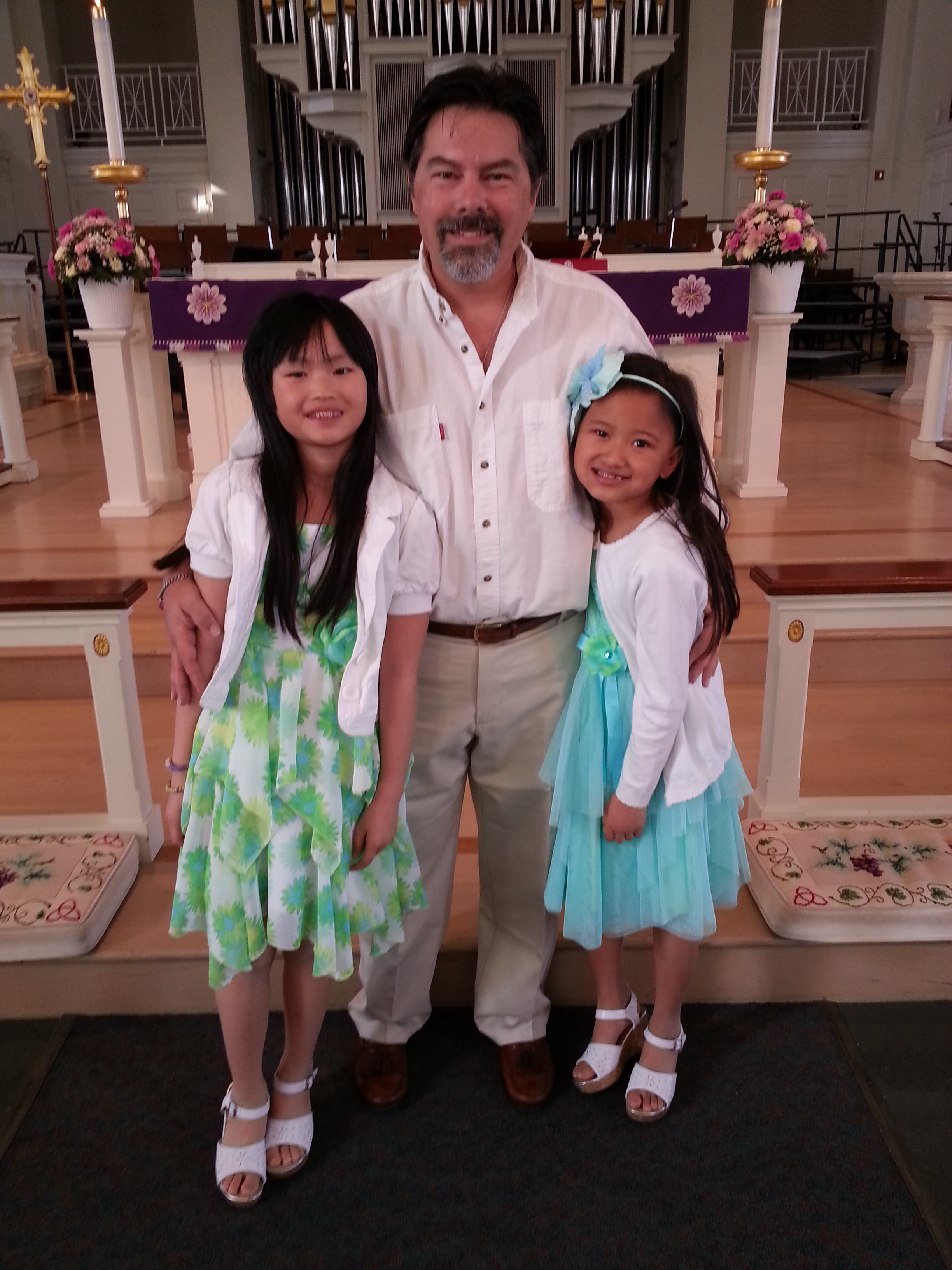
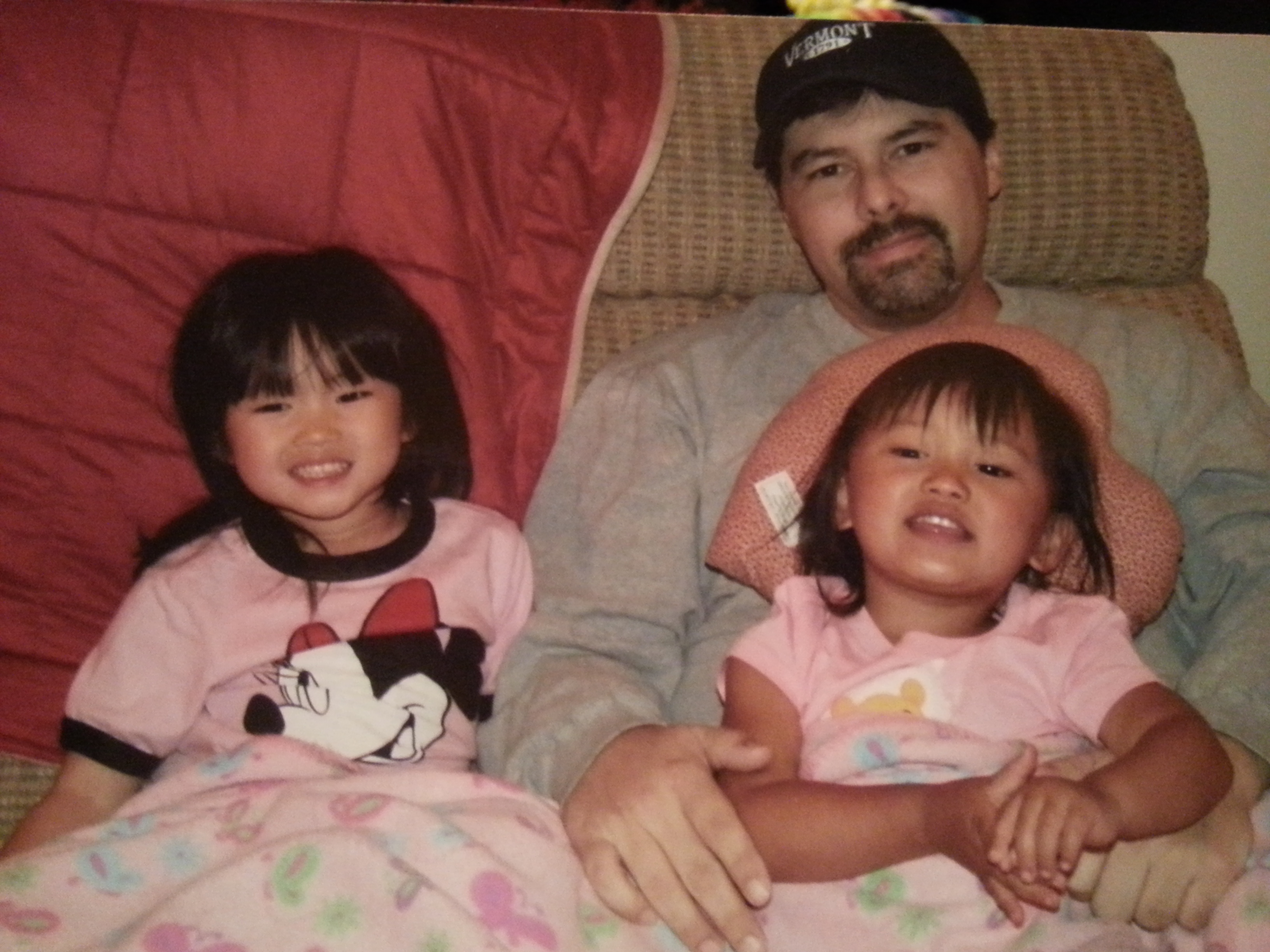
A strange way to start a post, but here it goes. I grew up as a child in a “white only” (as far as I knew) neighborhood, attended high school as a minority, and clearly I have two daughters who are Asian. I did not grow up paying attention to anyone’s appearance because it may have been a different color than my skin. I have moments that I am not “PC” (politically correct), but at the same point, do not get offended when it gets pointed out that I may have said something that was misinterpreted. I do not and have not used racial slurs, well because that is not how I was raised. Growing up in the 70’s and 80’s, I watched the Jeffersons, All In The Family, Blazing Saddles, enjoyed Richard Pryor. But I also detested any acts of racism.
Throughout the 90’s, and in charge of a church youth group in a small urban area, where racism was more prevalent, in fact very near KKK populated areas, I spent a lot of time teaching the youth to go against the urge to follow their grandparents (and in some cases their parents) when it came to thoughts against anyone who was not white. It has been a slow process to dealing with racism, but I had always hoped that we would keep moving forward with eliminating it.
This post is not about racism itself, or the history of it, but rather an unfortunate phenomenon that we are currently dealing with today. Most of us were all outraged by what happened in Charlottesville a couple of years ago, and our response was to condemn, yet again, all acts of hatred against races. But there seems to be a problem. How do we condemn one act or philosophy, that then seemingly affects something that we held personally as something of our past? How do we expect racism to be dealt with, when we ridicule moments of history that we stumble across, bringing down someone or something that we once held in high regard? How can we be expected to condemn one thing and forgive another, and really, who is to decide?
The answers are not simple at all. In fact, in recent years, dealing with racism has gotten more complicated. And admittedly over the last two years, a certain population has felt emboldened to step into the spotlight to reignite the fears, anger, and hurt, that over the decades we had fought to correct. Right now, whether on Facebook or in person, we are now having conversations with our friends over statues and monuments, movies, music, that in retrospect, were really racist in content. But in our earlier years, it was not a big issue, whether because it did not affect us, or we just did not pay attention.
But part of dealing with racism, just as I did with the youth group, we spent a lot of time teaching children racism was wrong. Well, those children are now growing up, with the values we raised in them, and because they have technology that we did not have growing up, they have tools to fight racism that we did not. The problem with that, the racism was not as obvious to some of us, as it clearly is to the current generation.
And it is not fair to refer to this generation as “snowflakes” as is common. In fact, those that complain about this generation are “snowflakes” themselves for complaining about what they created. Because we chose to fight racism, we created a generation who is ready to take it to the next level. And really, if we are ever continue to move forward, dialogue now needs continue. The generation needs to understand how we grew up and what we were exposed to, just as the American history that they have learned.
Like I said, music, movies, television, and other things in our life, we hold certain examples sacred. And we are devastated and hurt, when one of our favorites falls, no matter the transgression. For the purposes of this post, I am going to use a current example.
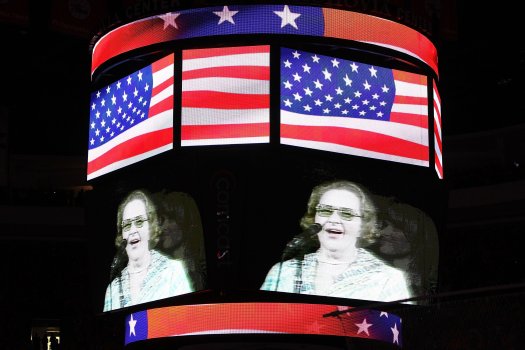
Kate Smith. An icon if you are a Philadelphia Flyers hockey fan. Known for her stunning rendition of “God Bless America” that she sang prior to a Flyers championship game, which quickly grew to a tradition played before all Flyers home playoff games, even long after her passing.

The performance had nothing to do with patriotism, though clearly the song was very patriotic. But whether live or video, Kate fired up the fans, no matter what the odds were for or against the Flyers. Following the terrorist attacks of September 11, 2001, the Yankees baseball stadium would also adopt Kate Smith’s “God Bless America”, though clearly meant to bring us all together. And that really was where this had really ended. On a side note, I am family with a personal family connection to Kate Smith, but since I was a child, I do not recall the details, well, because I was stupid and did not care.
But again, for the last two decades, we have been raising our children to fight against racism. And no matter what some may do to quash history because they feel it makes our country look bad because of the things our ancestors did, this current generation is intent on wiping out racism. And I can appreciate what they are doing. Because when you think about, my generation has failed. And we are proving that by the way we are not only complaining about “discoveries”, but how we are doing it. And at this point, arguments are now occurring between us, regardless of color, but more geared towards protecting something we once held dear to us.
Kate Smith was a racist. That is a fact that has been discovered. Was she always a racist? We do not know. But at least for a moment in her life and career, she wrote and sang at least one very offensive song that nearly all of us were unaware of ever existed. And honestly, I do have to ask, what was actually put into Google search to find out about Kate Smith. I am fairly certain that today’s youth really have no idea who she was. But that does not take away the transgression what Kate Smith did. To counter that, of course, all of the good things that she did for our country and for our military. And she did. And that should not be forgotten. But neither should the period of racism she promoted.
So the question now becomes, “how long should it be held against someone for something they did long ago? And given the benefit of the doubt, changed their thinking? I am betting that there is not one family member of Kate Smith’s family that believes she was a racist. They only know a loving mother and grandmother. And here is my argument for that.
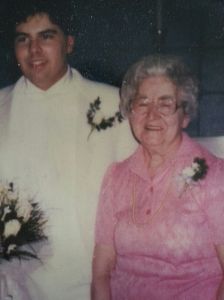
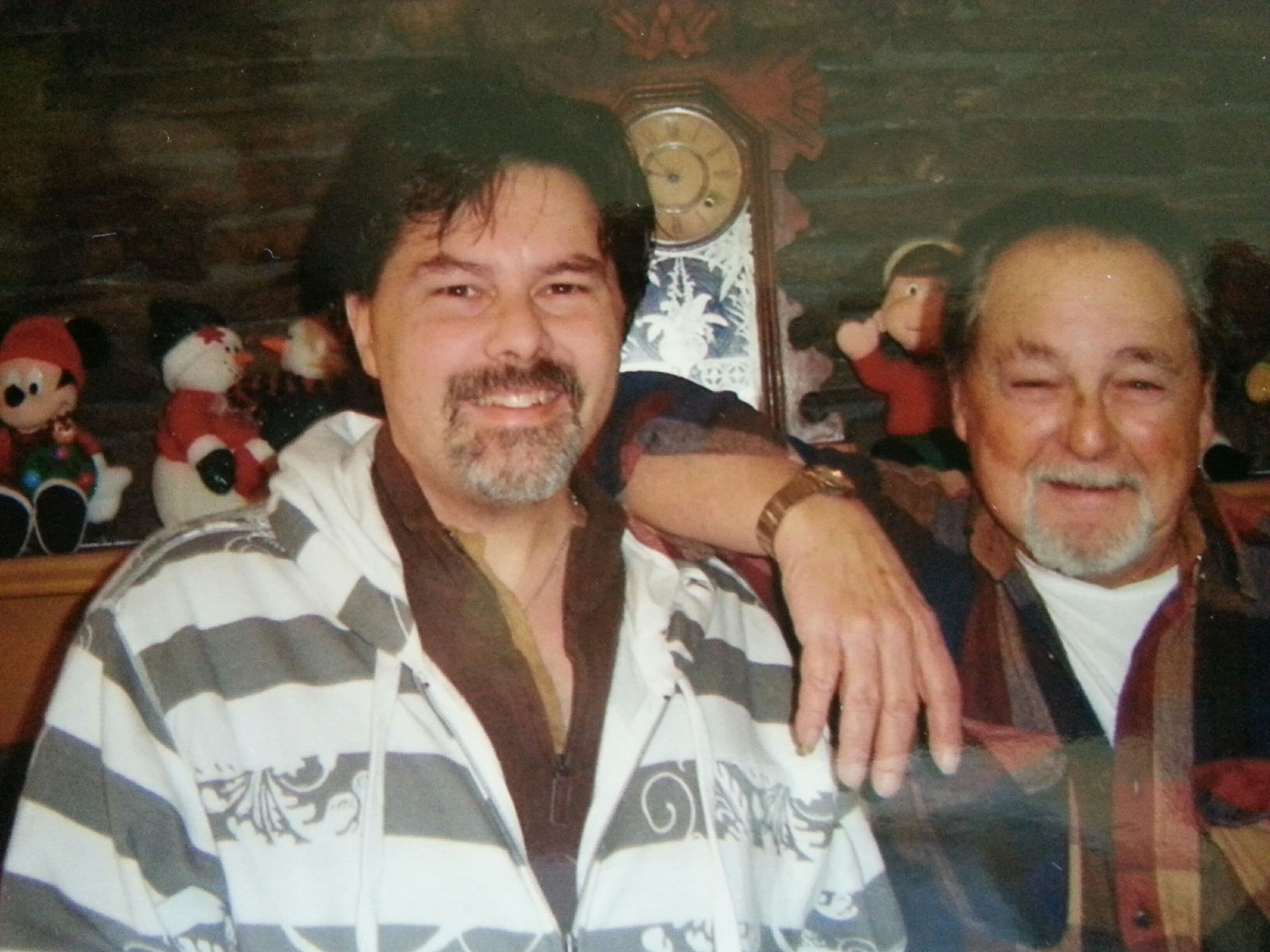
This is a picture of my maternal grandmother, the most influencial person in my life. As I mentioned, I grew up in an area that just happened not to have any African Americans, though we did have one kid that was from India. In any case, she was the most caring and loving person anyone could know. All of the kids in the neighborhood looked to her as their “honorary” grandmother. She would be the first person with cancer to survive that I would ever know, and give me the courage to fight my cancer.
But in recent years, it was revealed to me, that she had her tendencies to be racist. I was shocked, and admittedly, clearly did not want the conversation to go any further. I have to face it, given where I lived, I really never got to see any sign. She never used any slurs. And like I said, all I knew was her to be a loving person. To this day, I want to remain in denial. I only knew her one way.
So, I kind of get to a degree the outrage being felt right now after discovering what cannot be denied about someone that was held in such high regard. But it does not change what she did. And if we are ever going to reverse the trend of increased racial hatred, we have no choice but to listen to those that we raised to be tolerant. They are the ones paying attention to the ones being hurt now, by the new racist attacks, whether verbal or physical.
It is disappointing sure, but the pain that it causes is worse. And the fact that it is now pitting even friends against each other, one side fighting for something they hold close, the other for the values they were taught, we have gone backward in race relations. And this does not even address the other issues of racism which I have intentionally not raised in this post. Because before we can ever expect to heal or move forward once again, we need to be able to talk to each other. And talking does not just mean speaking, but listening also.
And those memories are not gone, if you really want to hang on to them, the internet can take care of you. But raising our children to fight against racism was a good thing. Would you have not done it if you would have known you would have lost a favorite TV show, or could not listen to a favorite song anymore because it was boycotted or banned? Of course not. If you are a reader of “Paul’s Heart”, I know you are a compassionate and education person.
As for the Flyers and the Yankees, there will be other ways to fire up fans and show patriotism. And it will not be long before this fuss is forgotten either. But what will not be forgotten, are those that have been hurt, and why we still have such a far way to go, to dealing with racism.

I am to this day, still an avid Flyer fan. And I understand why they removed her statue. The recently discovered music was horrific to learn about. And honestly, even in the 1970’s when she debuted the song at that Flyer’s game, even if it had been known then, I do not think she would have been stopped from singing it. But this is not the 1970’s. And just as we can recall what our grandparents were like and how they behaved, our children see how the times are now. And all any of us want, is for everyone to get along, regardless of color. Kate Smith is not the first, nor will she be the last, that will be shown to have held such ugly sentiments. Can there be forgiveness? Absolutely. Should it be forgotten? Absolutely not.