Paul's Heart

Life As A Dad, And A Survivor

Archive for the category “The Heart”

A Burden? Or Just Inconvenient?


It is one of the most discussed topics across the many forums that I participate in, feeling as a burden on family, relationships, and friendships as a result of a diagnosis of a serious illness. Within the family unit, support is expected. In marriage, vows often include the promise, “for better, for worse, in sickness, in health.” Philosophy comes in with the cliche “what doesn’t kill you, makes your stronger,” and religion plays into it as well, “God doesn’t give you more than you can handle.” The fact is, none of this is helpful to the one and only person that is faced with a malady of a chronic or severe illness. It actually makes it worse.

No one volunteers for something bad to happen with their health. Even if we happen to have a lifestyle choice that comes with potential health issues (such as smoking, which I personally do not do), we do not choose to face any serious health issues that may come. What we rely on, is for those around us, to be supportive, empathetic, and to care. We may need to ask for help, assistance, or just an ear. Whether those around us are scared, confused, or just do not know what is happening, it is worse for those of us being right in the middle of a diagnosis or treatment. For those of us dealing with chronic health issues, we want to understand your feelings. And with the help of everyone around us, we hope to overcome the things we each are facing.

All too often, this is not how life plays out. As a thirty-three year survivor of Hodgkin’s Lymphoma, I have personally experienced this, and continue to do so to this day, as do many of my fellow survivors. I was diagnosed with Hodgkin’s prior to my first marriage. I offered my fiance to back out, that clearly our future would not be the fairy tale she may have dreamt of, but she made the choice to stand by me. I completed part of my treatments prior to our wedding, the rest afterwards. Our honeymoon plans had changed from an elaborate romantic journey, to a four day trip to Virginia Beach. Often times, we were unable to attend parties and other gatherings, because chemo had wiped me out. I was underestimated because I put all efforts into making it into work every day, which I did. Then came the news, that I was left sterile from my chemo, unable to get my wife pregnant.

When my treatments ended, and happily I was declared in remission, I was expected to put cancer behind me, thought of no more, even though I had follow up appointments to attend, they were simply formalities for the next five years, so I was told. The truth was, emotionally, I was struggling with what I had just gone through. Reflecting back, I felt I had basically gone through my battle alone. With the exception of two of the diagnostic surgeries, every appointment and treatment, I did go to alone. While it was her choice, I also felt I was doing my wife a favor, in not forcing her to see what I was going through. But then again, by not having her see what I was going through, might have worked against me, since all I was letting her see, was that I was alright. So when it came to me needing some help, some time, some patience, it felt like I was asking for the world.

My second marriage, I had been in remission from my cancer, over ten years, no longer seeing doctors. Though my second wife was aware of my cancer past, it was no longer a blip on any radar. Eight years into the marriage, the late developing side effects from my treatments began to make themselves known, in a big way, as I had written previously about my first heart surgery. But it was at that moment, as I was dying, I learned she would not be able to deal with not just this particular situation, but subsequent health crisis that would continue to follow after. To her, it was supposed to be, “operation was done, you’re all better, now get back to work.” Only this would play out many times after, all different issues, yet her response would always be the same. Like my first marriage, clearly this was not what she signed up for, regardless of the vows. So of course, second marriage, second divorce, though my health issues were only part of the reason for this divorce.

Just as those who face such an extreme adversity of a severe illness, not by choice, and without any knowledge or training, the same can be said for those around us, thrust into the role of “caregiver” or at the least, someone who might care. Just as someone recently facing a diagnosis is thrown into disruption, so it is likely those around that person. How the caregiver or loved ones respond affects the perception of and by the person actually impacted, the patient.

Burden or inconvenient? According to Merriam-Webster, a “burden” is something that is carried, can be by force, whereas something being inconvenient, is more of an annoyance. Both terms are not positive in connotation, but one is definitely more hurtful to the subject of the label.

Both as a cancer patient and as a long term survivor, there are many times that I have felt that I have been a burden to those around me, simply because when someone wanted me to do something with them, I might not have been feeling up to at the moment, so instead, plans got cancelled. Or perhaps my appearance, or the mere thought that I was in pain or discomfort was too much for someone to handle, instead they would distance themselves from me, so they would not have to feel bad.

It is a totally different thing all together however, for someone to add to that burden, by making us feel worse for something we have no control over, and honestly, given any opportunity, would give anything not to be dealing with it at all. A spouse might be overheard complaining to someone that they are not able to do anything because of their spouse’s health situation. A co-worker might spread negative comments about a cancer patient mustering all they can do, to get through a work day, but the co-worker deems the effort just not enough.

In reality, these types of situations are just inconveniences, and they happen to be temporary. But to see that, is also to accept the situations that way, is only logical, and it lets the patient off the hook. But either feeling as a burden, or made to be one, is more personal, more oppressive, and actually quite harmful, and counter productive to the end goal, remission, survivorship.

As both a cancer patient, and a long term survivor with multiple health issues, I know, and fell confident to speak on behalf of really anyone dealing with a chronic health situation, no one is more inconvenienced, or understands the inconvenience more than the patient themselves. We would give anything not to have to go to frequent doctor appointments, manage constant pain, deal with massive fatigue. This is our burden, not yours. The last thing we want to be, is a burden to those around us. But what those around us actually deal with, is an inconvenience. Inconvenient because someone you had different ideas of how life would be, or plans needing to be adjusted to adapt for a current circumstance.

The thing is, we know what your are going through. We see that you are frustrated. And we truly wish things would be different. But we also do not want to bare any more than we already do as we feel badly enough. If we are lucky, and our burden comes to an end, celebrate those good moments. If our struggles continue, one thing you need to know, we do appreciate your support and standing by us, supporting us, encouraging us. We know you hurt too.

The Biggest Loss Of All


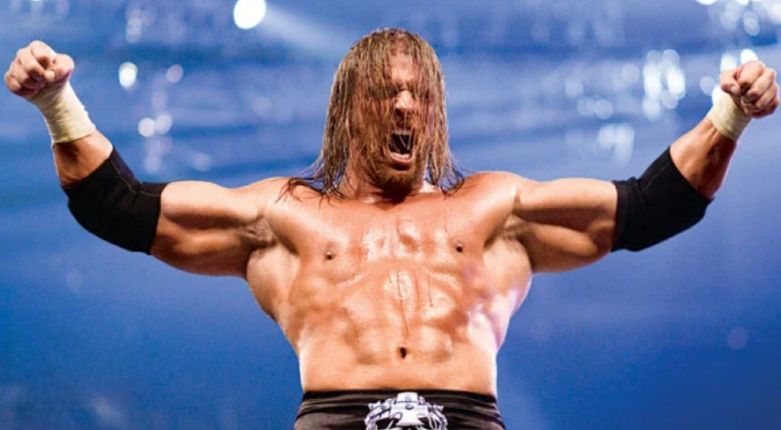
Many may not recognize this face, but I assure you that he was quite popular. In his world of sports entertainment (also known as Pro Wrestling), he was recognized by several names, but most popularly, and recently, Bray Wyatt. It was announced Thursday, that he had died unexpectedly at the age of a too-young 36.

I will admit that it has been quite some time since I have followed any professional wrestling. And headlines over the years, it was not uncommon to hear of wrestling superstars that I did know passing at a young age, though at least making it into their late 40’s. Of course, there have been the tragedies and accidents.

But it was upon learning Wyatt’s real name, that all of a sudden I took interest into his story. Wyatt is of pro wrestling legacy, a third generation pro wrestler, which means, from the days that I did watch pro wrestling. Born Windham Rotundo, Wyatt was the son of Mike Rotundo who wrestled under several different personas, and was the nephew of Barry Windham. His grandfather was the monstrous sized Black Jack Mulligan. I saw many of their matches growing up. Wyatt had many different characters as well, and at one time, integrating some together as a multiple personality as another wrestler, Mick Foley does. Wyatt would change from a good guy, to a heel named “the Fiend,” who clearly was a dark character.

He was a very popular and successful wrestler, winning several titles, earning the wide respect among those in the business. Though an active wrestler for more than a decade, he had been absent for a lengthy amount of time and had been planning to return. He had been battling Covid and its awful side effects. But before he could do that, he suffered a tragic, fatal heart attack, at the age of 36. Heart attacks as it is are not uncommon for pro wrestlers, but the age this occurred was just devastating for so many. In fact, Wyatt recently relayed a story of his uncle, Barry Windham, nearly dying from a massive heart attack.

Wyatt was engaged to JoJo Offerman, a ring announcer with the same company. The biggest sadness however, he had two young daughters, not even teenagers, now without a father.

As is common, his former pro wrestlers, many friends, pay tribute when one of their own falls, with the chiming of a ten “bell” ringing salute during a moment of silence. Many of his fellow wrestlers now, are being seen in videos of interviews on their thoughts of Wyatt’s passing. Several of those involved yet today, wrestled his father and uncle. And while they spoke of his iconic abilities and fantastic career, some unable to hold back their tears, they all mention the biggest loss, is to Wyatt’s two young daughters, now without a father.

For the first time, I could relate to this young wrestler that I had never watched, now wishing that I had. With the various health issues I face, the one thing I never wanted to do, was break the hearts of my two daughters, who have now entered adulthood. While they both had friends who tragically lost a parent, I never wanted my daughters to experience that loss. No matter what I faced, or continue to face, they are my driving force to live.

Wyatt’s passing is indeed tragic, as are the circumstances behind it. And though there are hurtful rumors and unhinged accusations spreading around the internet, they are untrue. Wyatt had Covid earlier in the year, ended up struggling with the complications, which as well known, may have had an impact on his lungs and heart, eventually leading to this tragic end.

One Of A Million Little Things


I hate getting attached to a television series. I always want them to go on and on. Only the Simpsons seem to have gone on forever. A Million Little Things was one of the rare series that I could actually relate to with many of the story lines. But as I binged the final season recently, the show connected to me a lot closer, a lot more personal than I had expected. It brought up feelings that I had not dealt with in over nine years.

The story line will do nothing for those around me as far as offering any insights. For me, it allowed me to see that what happened was the right thing, exactly what was wished.

The character, Gary, was dying of cancer. Treatments were no longer working. All around him, including his wife, were pushing for unproven alternatives, available only out of the country. Gary’s wife had talked him into travelling for that treatment, insisting that he not give up, just as he pushed her not to give up as she faced her own battle with cancer earlier in the series. There was one difference in Gary’s case. His cancer was so far advanced, the likelihood of this alternative treatment working was slim at best, if at all. And if it did not work, then the last moments that Gary would have, with his wife, and his friends, would never take place.

Gary and his wife, were at the airport with the whole crew of friends there to see them off. Dramatic pause, Gary and his wife change their minds, and decide to take Gary back home, where he will spend his final days, surrounded by those he loved and loved him.

I know this feeling all too well. I was in that similar situation, although not on television.

As my late Father’s lung cancer progressed, rapidly, my position as medical proxy soon came into play. Along with my step-brother, who was handling my Father’s legal affairs, decisions needed to be made, as it was discovered that my Father’s cancer had turned terminal, and was progressing rapidly. There was much to prepare for, most importantly to my Dad, was care of my step-mother. He was her caregiver (as a result of an accident decades earlier), and now, both were going to need round the clock care, at different levels. They had never been separate from each other in their forty plus years. And we were determined not to allow that to happen. Again, difficult decisions needed to be made, based on what my Dad wanted.

Long story short, we were able to arrange for my parents to be together, for the end. Decisions were made to put them in the same health care facility. And being in hospice, meant there would be changes with my Father’s preventative care, maintenance medicines for things like cholesterol would be discontinued. Also, in the event of illnesses, curative care would not be given, which was difficult for many family members to understand. But it was simple, my Father was going to die. Why would you want his suffering elongated? These were policy and procedure issues, beyond my control, but I accepted them. I was willing to take the heat and frustrations from anyone who did not understand. I was honoring my Dad’s wishes in his final care.

It was a last ditch effort that I was approached with, that rang similar to the final episode of A Million Little Things. There were family members behind my back, pursuing other possible treatments. One had found a clinical trial, for a drug to treat the most dire of lung cancers. Ironically, I was familiar with this trial, as I worked for the pharmaceutical company that was researching it. And I was familiar with the requirements, which my father had no chance of qualifying for. Forget the fact he had only limited time to live, his body had gone through so much trauma with a lobectomy for the lung cancer, but prior had a major heart attack. But once conversations started carrying, all efforts were directed at me to “fight” for my Dad. Again, I knew this issue was all procedural and was not worthy of wasting my time, but I let anyone and everyone say what they wanted, even if to my detriment.

At this point, just as in the TV episode, all anyone was doing at this point, was losing precious final moments with my Father, including me. Frustrations rose so high between me and other family members who felt I gave up on my Father, rather than accepting his fate, and honoring his wishes. Things have been said that cannot be taken back. And final moments were forever lost, scratch that, taken from me by not allowing my Father to have the peace that he wanted.

In the end, I did for my Father as he wished, as painful as it was for me. I no longer care what anyone else thought at the time.

Post Navigation