Paul's Heart

Life As A Dad, And A Survivor

Archive for the category “Cancer”

You Are Cured – The “Myth” And The “Birth” Of The Long Term Survivor


“I am positive that we can get you into remission.  I don’t like to use the word ‘cured'”.

These were actually the words spoken to me by my oncologist when he had diagnosed me with Hodgkin’s Lymphoma.

As I have begun drafting my 30th Anniversary post, this is one of the conversations that had popped into my head.  I had thought that the whole idea of treating cancer, was to “cure” it.  Not just settle for putting it into remission, the technical term for making the cancer go away.

Cancer patients are often told of the magical “5 year” mark, which probably all of us equate to the term “cured.”  And we have every reason to feel this way.  After all, if the cancer has not come back after that time, would it not be logical, and fair, to say we have been “cured?”

Like I said, I am gathering my thoughts for hopefully the most inspiring post yet on “Paul’s Heart.”  “Cured” is a very powerful word.  In its simplest form, it means as a cancer patient, “we are done with it.”

I am fairly certain that the reluctance of my oncologist to say I was “cured” my have either been from a liability angle or perhaps did not want to be compared to an act of God, but what if, in hindsight, to be able to be “cured” required a lot more than just having no more traces of cancer cells?

From the very first appointment post treatment completion, we set our sights on the day that we never have to set foot in an oncologist’s office ever again, nor should we have to, being “cured”.  And unless you have had this experience, you cannot blame us.  And decades ago, most of us were given our release once we hit that five year mark.

But those of us that are long-in-the-tooth can attest to, decades ago, it was very rare to hear of anyone surviving cancer.  There was no social media to “ring the bell” when done with treatments.  You mainly only heard when people died.  This attitude continued well on into the end of the 20th century.  So, we rarely heard anyone beating cancer, but we also never heard of people living a long life after cancer.  And evidently, medicine did not either.

Turn on the television, and chances are you will see a commercial for some sort of drug.  And during that commercial, will come a long list of side effects.  These are known as short term side effects for the most part, that will either happen soon after you take them, or once the medicines have a chance to impact the ailment.  It is unusual that you will hear anything about the long term effects either because they have not been studied yet, or, and this is key, a certain side effect has not happened enough to be publicly documented with a warning.  (See the post I wrote about taking statin drugs).

For many cancer patients, this is exactly what happened to us.  We were all given information as to the short term effects of the treatments from nausea to hair loss and more.  But very few were aware that there would be long term issues, including medicine.  After all, remember that “5 year mark”, or the “cure”?  The fact is, there were no long term studies done back in the 30’s, 40’s, 50’s, 60’s, 70’s, 80’s, and not until the 90’s was the idea even approached about the possibility of late developing side effects from the extreme treatments received earlier.  In actuality, these long term survivors approached their doctors with symptoms that often case did not make sense for their age or current health status, and therefore really had nowhere to turn, and in many cases ignored.  Or, if they were “lucky” that someone might have an idea of what they were dealing with, hoping the doctor had the experience how to handle the issues.

For me personally, I stopped seeing my oncologist in 1995, five years after I received my final treatment.  In 2008, by dumb chance, my primary care doctor ordered a cardiac test for a symptom I had been experiencing for several months without complaining.  36 hours later I was on an operating table having my life saved with an emergency double bypass, caused by radiation damage for my Hodgkin’s.

Why was this not caught sooner?  Because, remember the “5 year mark?”  There was no long term studies, at least not popularly known at that time, that cumulative and progressive damage would occur from such high exposures as I experienced.

I could go on and on about this issue, and have done many other posts on it, so I will not.  My point is this.  In 2020, more doctors and oncologists are more aware of these late developing side effects.  More importantly, medicine has now realized that part of dealing with these side effects, is surveillance.  And if cancer patients are going to live longer than the five years, and the potential for these late effects is cumulative and progressive, then surveillance is necessary for the rest of the life of the cancer patient.

And if the idea of being “cured” of cancer is being done with it, meaning we just put it behind us forever, are we really cured if it is necessary to be watched for the rest of our lives, for what comes next, then are we really “cured?”

I am not saying this is a bad thing at all.  I am eternally grateful to be here thirty years later.  But because of long term cancer survivors like myself and so many others, medicine now knows that cancer survivors need to be followed up, forever.  And it is important that “newbies” understand this, that it is easier to deal with an issue that is just developing (determined from a baseline) before it gets too bad such as the “widow maker” I dealt with.  It is just as important to encourage the prognosis of remission, to emphasize the importance of surveillance for the rest of their lives.

Many of my fellow long term survivors, and I, feel as though we were guinea pigs with our treatments.  And perhaps we were.  And because of the issues we developed throughout our survivorship, we are feeling like guinea pigs again.  But the good news is, medicine is finally catching up.  Medicine knows what it means to survive cancer.  And doctors need to do their part to make sure patients are not mistakenly thinking it will be behind them.  This is not to say that you cannot enjoy life in remission.  By all means, I have done so.  But a cancer survivor must also be diligent.

Perhaps my oncologist was correct in not wanting to use the word “cure” but for a different reason.  For me, I still use the word remission, and feel I cannot use the word “cured” for the reasons I just mentioned.

A Question I Already Knew The Answer To


Reality is beginning to set in.  In just over a month, I am going to officially recognize 30 years as a cancer survivor of Hodgkin’s Lymphoma.  I will save that hype for a very inspirational post around that time.

This will be the last of my “30th Anniversary” posts, filling in the story line, as best as I can remember it.  After all, I did not have social media to document my every step of the way (we did not even have the internet at that point) and in all fairness, with the uncertainty of my future, dealing with cancer, documenting anything was the last thing on my mind.  I wish I had thought differently.

The truth is, I could have, and should have been celebrating this anniversary in just over a week from now.

I was warned at the beginning, to be careful about marking the final date of my treatment on the calendar.  Pyschologically, sure, it can give you that positive image of the end goal.  But the body is put through an enormous strain, physically and emotionally, that anything can happen during the next six to eight months.  All of a sudden, a date you had been counting on, gets pushed back for any number of reasons, such as getting sick, or blood levels not being high enough for the dosages necessary.  The only thing worse than the cancer itself at that point, is to be told your treatment is going to be delayed to allow your body to have more time to recover.  If that were not bad enough, then you have to see it on the calendar, and you must make that change to the calendar as well.  And that reminder will always be there.  It is unbelievably devastating when that happens.

With the diagnosis of any cancer, not just Hodgkin’s, the life is interrupted.  We have lost all control to roll through life as we had been, day by day.  We have a new schedule of events to follow, and there is often very little wiggle room to enjoy anything we once did prior to our diagnosis.  To the person not dealing with a cancer diagnosis, the answer to the simplest of questions is always obvious, you do what you have to do, to get through your treatments, and if that means giving up “stuff,” so be it.

It is not always that easy.  Like I said, with a cancer diagnosis, we give up control of our lives for however long the path takes.  It is easy for me to look back now, at some of my questions about “can I do this” or “should I do that”, because with a clearer head now, and a longevity to match, I can say that I definitely feel my decisions and answers were and still are the right ones.  But even my own experiences were not enough that one respondent to a reply I sent to a reader about a decision she wanted to make, blasted me as being judgemental, insulting, and dropping several F-bombs on me, finishing with their suggestion of me going on a final destination.  The question that prompted that response?

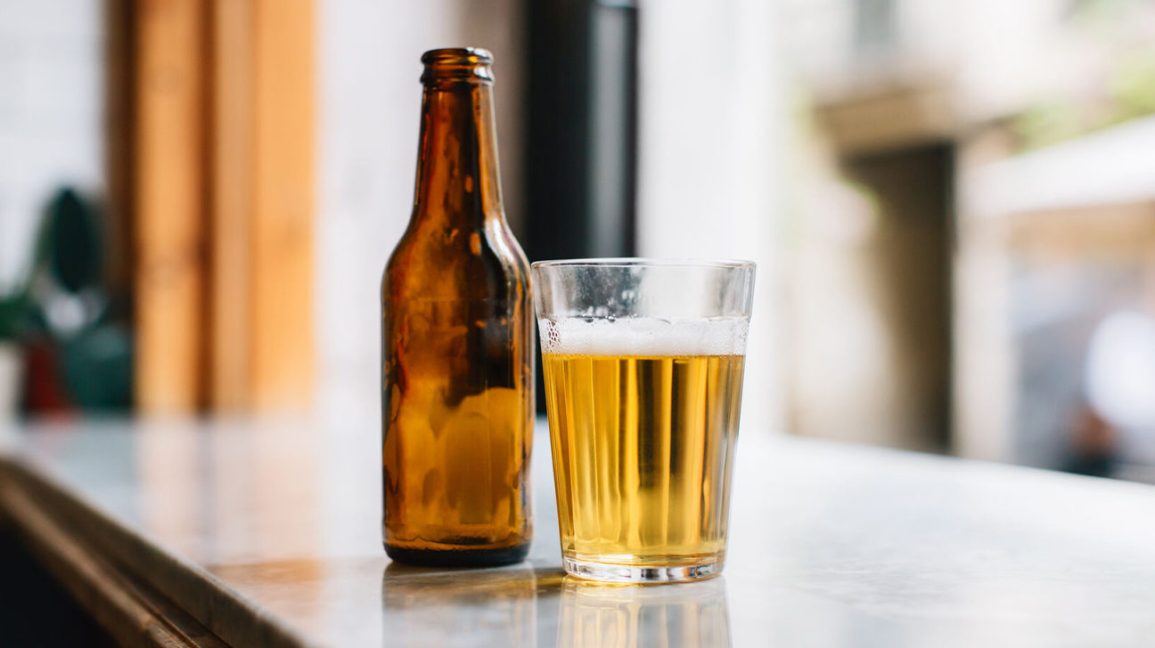
“I have heard that drinking alcohol during treatments may cause pains and headaches.  Is it really that bad if I have one here or there?”

Again, I have been at this a long time, dealing with survivors of all longevities, and current patients.  So along with the many other replies, I added my two cents.

Me:  I have heard this concern many times about alcohol causing pain, in fact, having the pain associated with the Hodgkin’s itself.  To my experience, it has not hit everyone, but a good majority.  Though I was of legal drinking age, alcohol was not as important a beverage for me to have while I was going through my treatments.  But Coke was.  And every time, and I did it, a total of twice, that I drank Coke during my treatments, I had extreme discomfort which I was warned to avoid caffeinated beverages, and decided to test that theory, and lost.  I did this with other things too that I decided to try in spite of being warned against, processed food such as cheese.  I finally decided it was not worth it.  So my suggestion to you, as someone having been there, done that, clearly you have been given the warnings, and you have been given responses both for and against.  Ultimately the decision is yours, but please do not take the answers to be a “permission granted” to go ahead and imbibe based on the informal survey.  You could be the lucky one who does not get the discomfort, you might not.  The question is, is it really worth the risk for just the months that you are going through treatment?

And then I got the beratement.

This situation comes up regularly though, and not just about alcohol.

With the growth of new hair, some survivors cannot wait to get back to hair coloring and other processes which carry their own cancer risks, and of course the questions seeking “permission” from others that it is okay to proceed.  Again, it is a personal decision that has to be made by the individual, and the fact that a person asks it, that person knows there is a risk.  Then the next question that has to be asked, “is it really worth it, or that important?”

Another question that I deal with regularly, is about whether to work or not.  I have written about it in the past in great detail, but briefly, again, an individual decision.  And though the only work I missed for the entire 8 months of chemotherapy, was two hours every other Friday for my injection, I thought this would be a positive thing for me.  It was a much needed distraction from the day to day dealing with my cancer.  I proved my determination every day.  I showed everyone, I was not going to be defeated.

But I paid a price.  It was a huge risk  for me to make that choice, and were I faced having to do it again, I would not work.  The reasons are simple.  The body is beaten up terribly from the chemo, physically already stressed, it does not need the added fatigue from a daily work grind.  Emotionally, I dealt with so many co-workers who believed that I was being given preferential treatment over them, although to this day, I do not know what it would have been.  I was never given any special favors from my employer.  But the stress from my co-workers added to my day to day struggles with the chemo, often were so difficult to get through my work days.  And then, there was also the risk of my health put in jeopardy.  Working with a large number of co-workers, most would not stay at home if they were sick with a cold, flu, or anything else.  Going through chemo, my immune system was already suppressed, exposed to all kinds of germs in our office and surrounding areas.  If I were to catch anything from them, it could lead to a delay or interruption in my treatments.

I was treated in a time before there were workplace protections in place, courtesy of the Americans With Disabilities Act (ADA).  While yes, the distraction of a daily activity from your treatment schedule can be a good thing, if you are able to exercise your ADA rights, then do it.  And yes, the ADA is about to turn 30 years old as well.

So I talked about making choices during treatments.  My treatment schedule would go through the entire winter season.  I was an avid skier for many years.  And it was during my January treatment that I asked my oncologist about the possibility of me being able to ski.  I asked the doctor before doing so, because I had heard of increased risks of injury during treatments, especially broken bones.

I was a good skier, but more of a recreational and a slower procession down the hill kind of guy.  I was not really at too great a risk for any fall or injury.  But the doctor took it from a different approach.

Doctor:  Well, I don’t see a problem with you skiing if you have to.   But you have to ask yourself this.  You are obviously going to have to be dressed warm right?  Which means you will undoubtedly end up sweating a lot, and being Winter, you might catch a draft, sweated, and well, you know, end up developing a cold or something.  Is it really worth it, if when your next treatment comes around, and your blood levels are too low to give you treatment, because you wanted to go skiing?  I mean, it would probably only delay it a month, but will that month make a difference to you, just so you can ski?

Just like all of the other situations that I discussed above, we know the answers.  We just want someone to give us the guarantee that we will be fine, the schedule will proceed as planned.  Of course, we would be able to pin the blame on someone else, because “they said so.”

I would go skiing, just it would be the next year.  It was more important for me to complete my schedule as planned, the beginning of February.

Remember the other decision that I made earlier, that did come back to bite me in the ass, and in a hard way.  I came down with the flu, going around in our company because people came into work sick.  I was on the tail end of the illness when my final treatment, scheduled in February was to take place.  But my blood levels were too low to be given my treatment, and therefore, my final treatment would not take place in February, but hopefully March.

I was devastated.  It was supposed to be the end.  Instead, it would be another month.

See you then.

What Drives Me


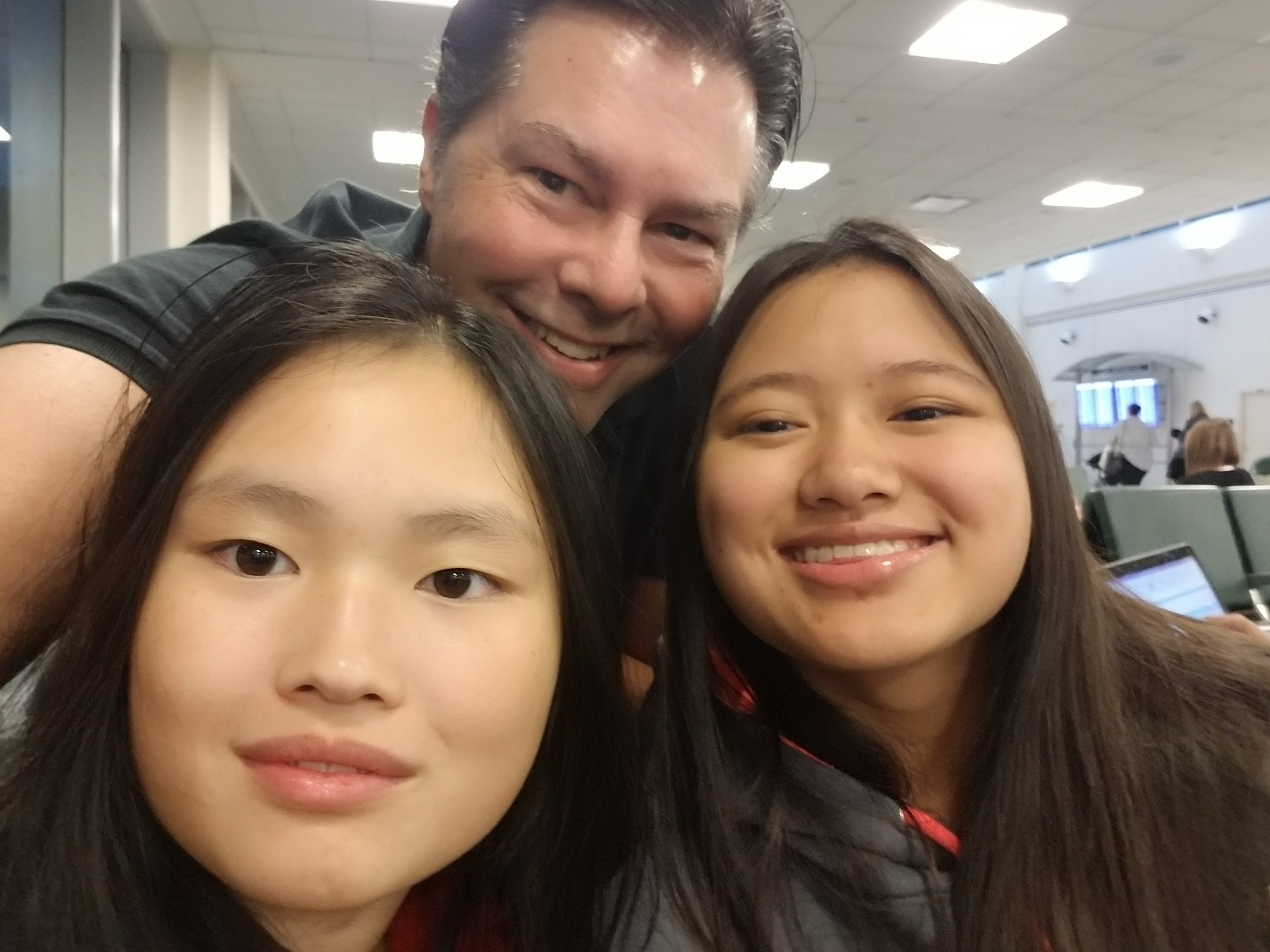
I was asked, if I could in just one word, describe what drives me.  I am going one better… no words.

As the saying goes, “a picture is worth a thousand words.”

Post Navigation