Risk Reduction/Prevention For Surgeries/Procedures

For this next story, I need to provide a little context. I was 18 years old in this photo. In the 1980’s there was no such thing as a selfie or a desire to take a lot of pictures, so this is one of the last photos of me prior to being diagnosed at the age of 22 with cancer, Hodgkin’s Lymphoma.
To my knowledge, there were three others, young like me, also being treated around the same time. I never got to meet them, and the only thing that was shared with me about them, was that I was tolerating my treatments so well, I was the only one of us, who was taking the full dose of everything. I never got to meet them and I have no idea, what has happened to any of them. Later on in life, I would meet another fellow long term survivor, who was treated where I was, but that is another story.
A few years later, an opportunity came up that would change my life forever as a cancer survivor. Though it was through a group email listing, I would get to meet three other Hodgkin’s survivors, all younger than me, who had just gotten finished with their treatments. This was going to be my “give back” moment, to share and inspire those after me, that survivorship was possible.
And for many years, all of us enjoyed living life after Hodgkin’s Lymphoma. Sadly, two have since passed, leaving only “T” and I. I remember T for a long time, chugging through life, not a care in the world, seemingly being able to forget that she had cancer, in spite of my pleas to be aware and proactive, things to watch out for. Nearly ten years ago, she faced her first late side effect issue, like me, the worst of all, the heart. And just with my bypass, I tried to advise the importance of staying dilligent, because this likely would not be the last thing she had to deal with. But knowing T, she was not going to be deterred in getting back to normal, as she did post-Hodgkin’s. And of all people, T was in good conditioning, a good diet, and a great attitude, if anyone could do it, she could.
The thing about those of us who have gone through chemo and radiation, there is a saying among us survivors, referring to our treatments as “the gift that keeps on giving.” Those of us at this long enough (like me), know this philosophy all too well. Don’t get me wrong, you still have to live life, albeit maybe a little more aware and careful, but I have not had 37 years of memories by just folding up into a ball, sitting in a corner.
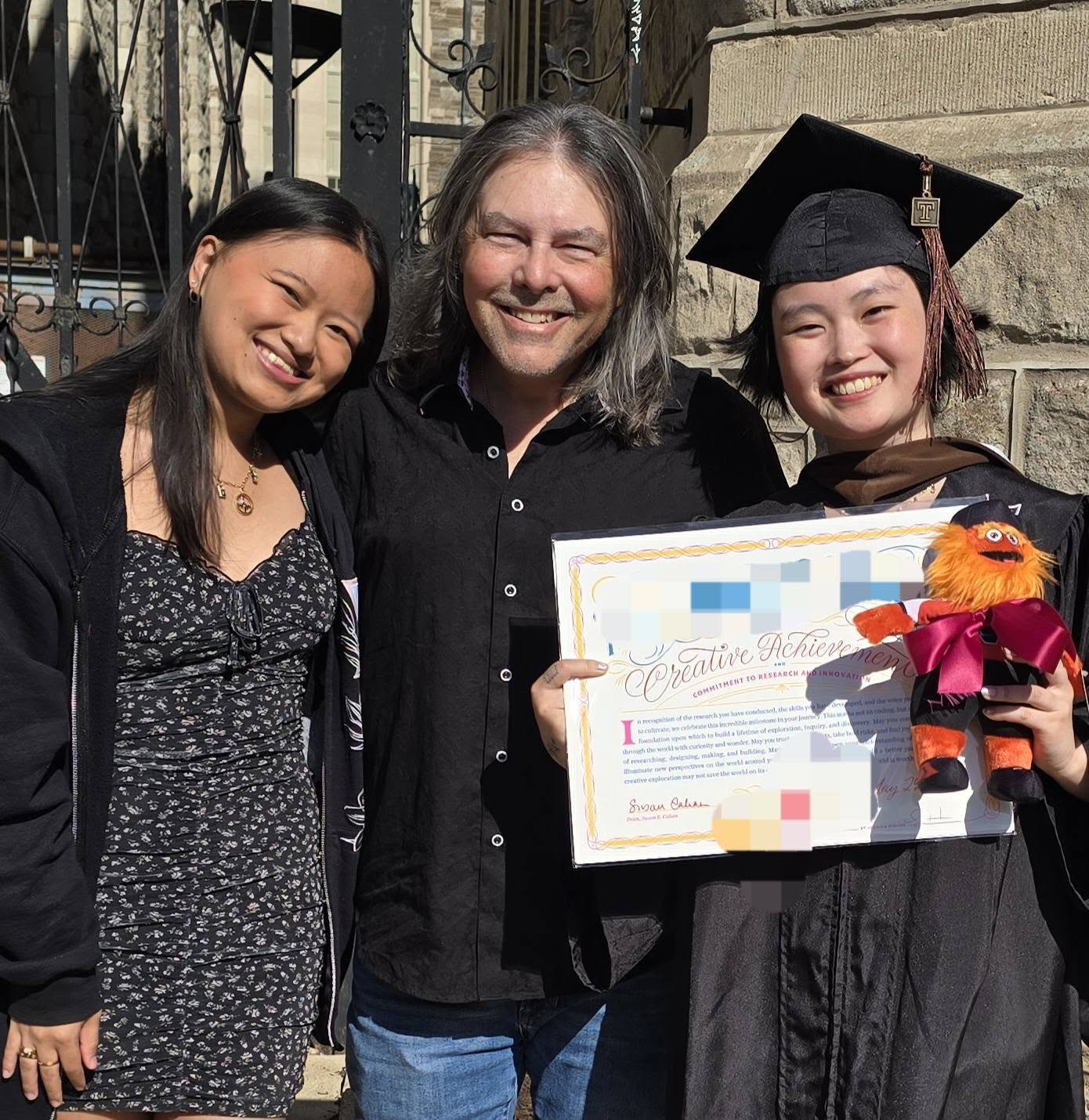
I have gotten to experience so many things. My most important memory happened a couple of weeks ago.
So that is the background of this text. And just as I said, “the gift that keeps on giving,” T found herself in another situation, with her heart. She needed to have another situation, like I had, replacing the aortic valve. It was even supposed to be done the same method as I, so I was all confident when I explained to her my experience, encouraging her that with her conditioning and age (a number of years younger than me), she should do great. I am sure she was still nervous, but I think a bit more at ease, and definitely looking forward to feeling better, and as quickly as I described.
Then, the day of the surgery, she was informed her surgery had been delayed. She was crushed, but the decision was the right one. It was an error in communication on their part, but as a result, the decision to postpone had to be made. Surgeries are risky enough, but I have seen too many times, my fellow survivors, we carry enormous extra risks, if they are not all addressed, the procedures could go tragically wrong.
If you have ever had a doctor appointment, many of us go through a painstaking process of having to recite what medications we take. I myself take more than a dozen medications for everything I deal with. Well, between those meds, my medical history, and my body, there are concerns that need to be addressed prior to any surgery or procedure, and all of those from doctors to anesthesia, need to be aware of everything. There are certain medications that need to be stopped, and there are precautions that may need to be taken.
In my case, I am on blood thinners. So anything I do, from a tooth pull, to a colonoscopy, to surgery, I need to stop blood thinners (I am on two) as directed by the doctor. There may be blood pressure meds I need to stop depending on the procedure. I am not able to receive pure oxygen due to my chemo history, being given bleomycin (complications too complicated to include in this post). And then there is my trachea that gives doctors fits. I cannot receive twilight anesthesia, because of radiation damage to my throat area, my trachea collapses, and I experience something called hypoxia (three times now, because some refuse to pay attention to my chart or my warnings). Short explanation, George Floyd was murdered when a cop kneeled on his neck, collapsing his trachea, causing the loss of oxygen.
I am also without a spleen, which means I am more susceptible to infections, so prophylactic care must be taken, often antibiotics before hand, to keep infections up to and including the fatal sepsis from developing.
So when I have something scheduled, I am fairly confident I have every base covered. Or so I thought. I recently started a new medication for my diabetes and A1C. And what I did not know, might just end badly for me.
I am going to bring back my reluctant survivor back into the story. T also happens to be on a similar drug for her diabetes. And it was this drug, that was responsible for her surgery getting delayed, because it needed to be stopped, per her doctor’s recommendations, three days before. As of the day of her surgery, she still had not stopped it.
The drugs I am referring to, Jardiance and Farxiga. I want to be clear, I am not a doctor or pharmacist. I am only reciting confirmable facts on the drug sheet, and via the fine print on their television ads. Which by the way, Jardiance does not state on their ads (at least the one that I saw), the particular concerns I am stating here. Sure, they list all the other side effects, you know, the diarhea and everything else, but they left out this one.
Jardiance and Farxiga are SGLT2 inhibitors which can increase certain risks with surgeries and anesthesia. The main concern, euloglycemic diabetic ketoacidosis (eDKA), and that is a real bad thing. If it sounds familiar, you might be a fan of the television show “House,” as this was an occaisional diagnosis. EDKA is a dangerous acid buildup in the blood that can happen during fasting for surgery, dehydration, surgical stress, infection, or reduced food intake. What makes it complicated, is that the blood sugar doesn’t even need to be elevated or near normal, so it is hard to recognize.
Symptoms may include nausea, pain, breathing issues, confusion, fatigue, dizziness or weakness. It is often recommended to stop taking these drugs three days before but could be longer if kidney funtion is impacted. The doctor and anesthesiologist needs to watch the blood pressure, kidney stress, electrolyte imbalance, and any issues during recovery.
It is even more important for diabetics who also deal with heart issues, like me, because these two drugs are so beneficial in managing our heart issues. So my cardiologist is included in the concerns. Together all three participants in the procedure need to figure when to stop, when to start, and how to handle the blood sugar.
I have had many surgeries and procedures over the last 18 years of my survivorship, and I do what I can to advocate for myself, because it is in my best interest to participate, to make sure everything gets addressed. I have now added Farxiga to my “pre” plan lecture of what to look out for.
Finally, T was rescheduled, and as of yesterday, got her new aortic valve, after being off of her drug the necessary three days. I am waiting to hear from her, but I am confident, she had the right doctor and team, the things were done that needed to be, and with any hope, like me, she is going home today, the next day after having heart surgery. Most importantly, feeling better.
I know and have known thousands of other long term survivors over the decades, and many who have survived 40 and 50 years. But T is special to me, because we go way back together when we both began our journies in survivorship. There is no one cheering more loudly than me (okay, her family likely is).
What makes this even more important, because of T reaching out to me, SHE has made a huge impact, not just among thousands of other long term Hodgkin’s survivors, but cardiac survivors as well. Our survivors often only have a fighting chance because we talk and share among ourselves. All too often, we have doctors who are unaware of what they are dealing with. And in this situation, that is exactly the case. I immediately shared this info with all of my groups in the cardiac world, and cancer survivorship world. Unofficially and unscientifically, here is what I discovered, only have of the cardiac patients already knew about this concern, likely because they had already dealt with it. But hardly any of my fellow Hodgkin’s survivors were aware of this, and this is something that is a major dangerous game changer. And thanks to T, she has undoubtedly, saved lives, so that our other survivors now know something else to be aware of to advocate for themselves.
Her story, like mine, has so many more chapters to be written. And T will get that chance I am sure.
Speaking of which, Paul’s Heart is just 54 hits from a major milestone.
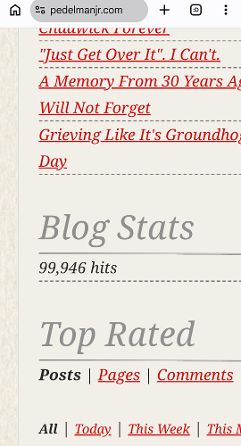
I never thought I would ever reach 100,000 hits on this page when I started it. And now, which one of you is going to be the one that makes this possible?
 Paul's Heart