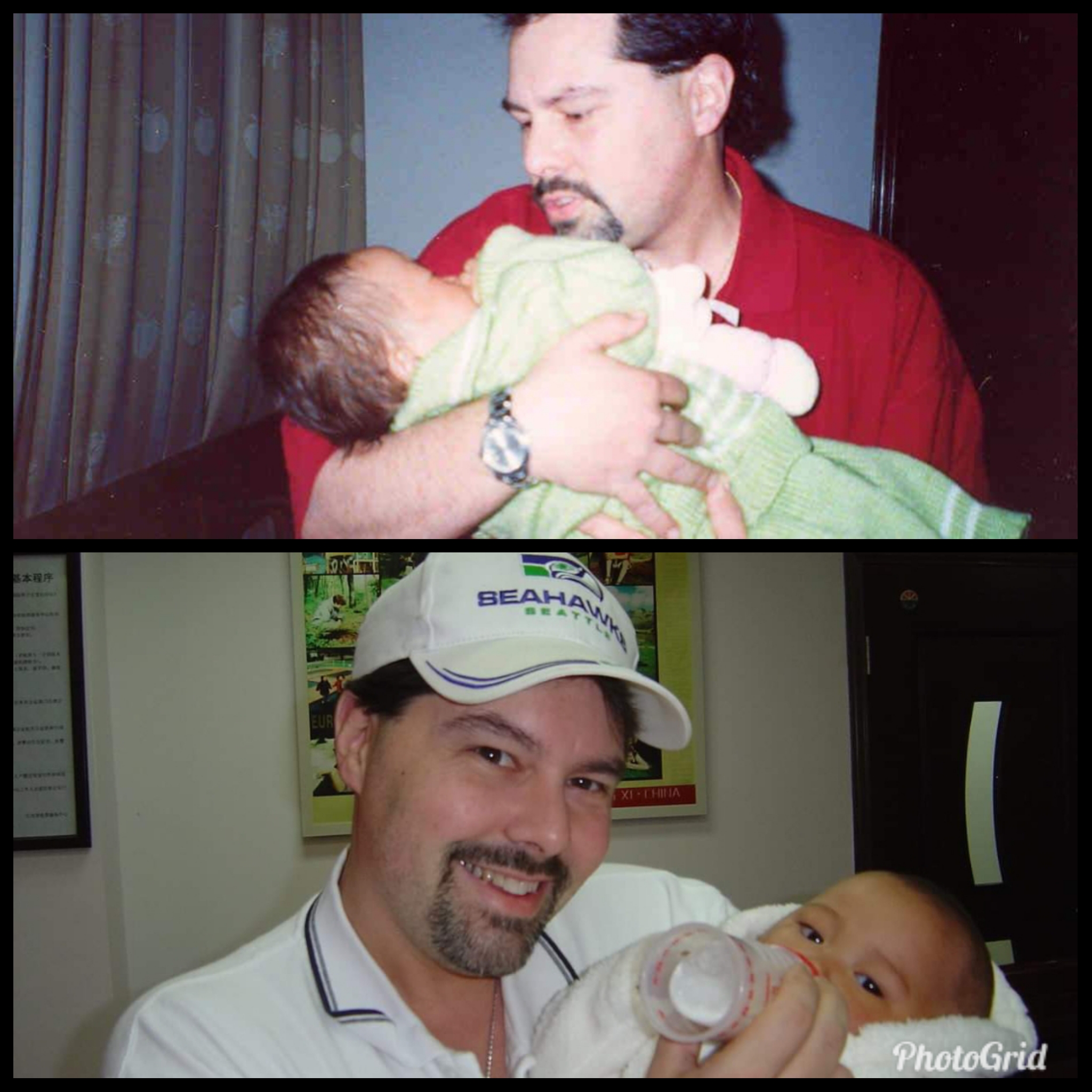
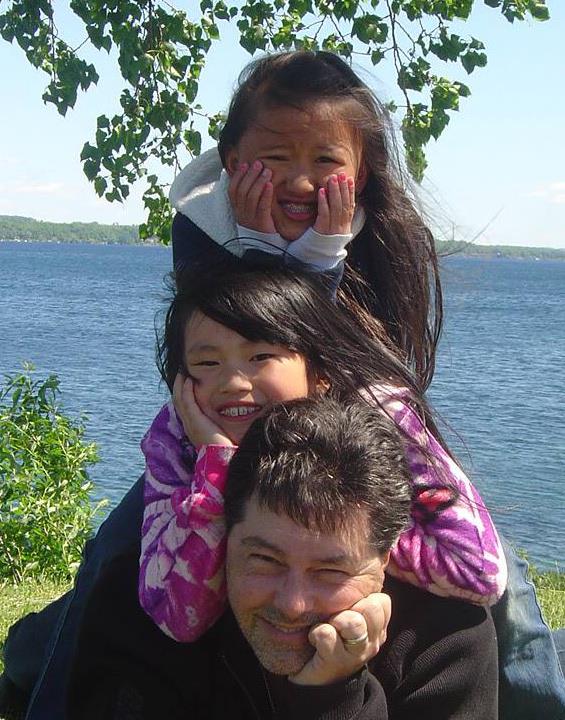
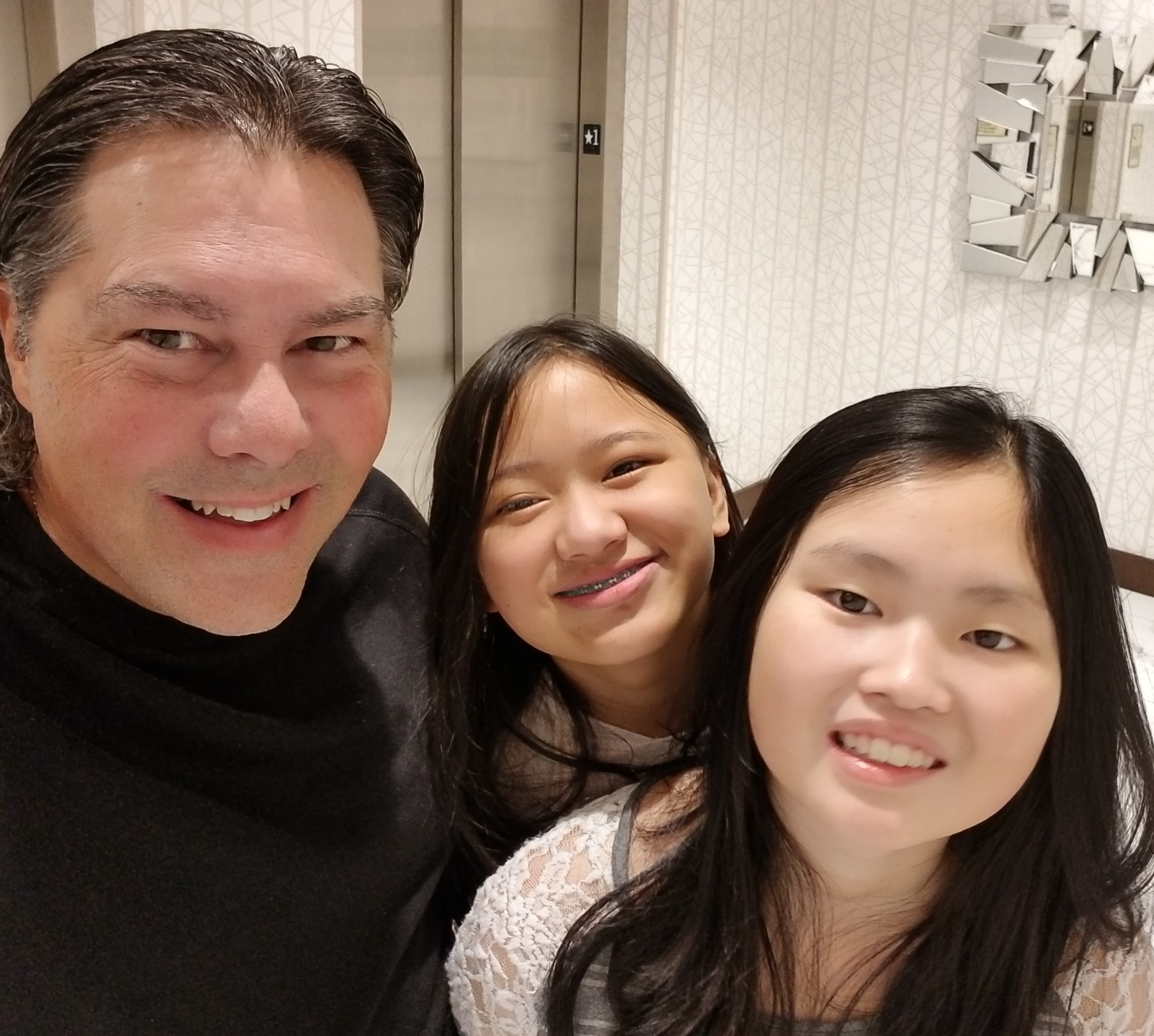
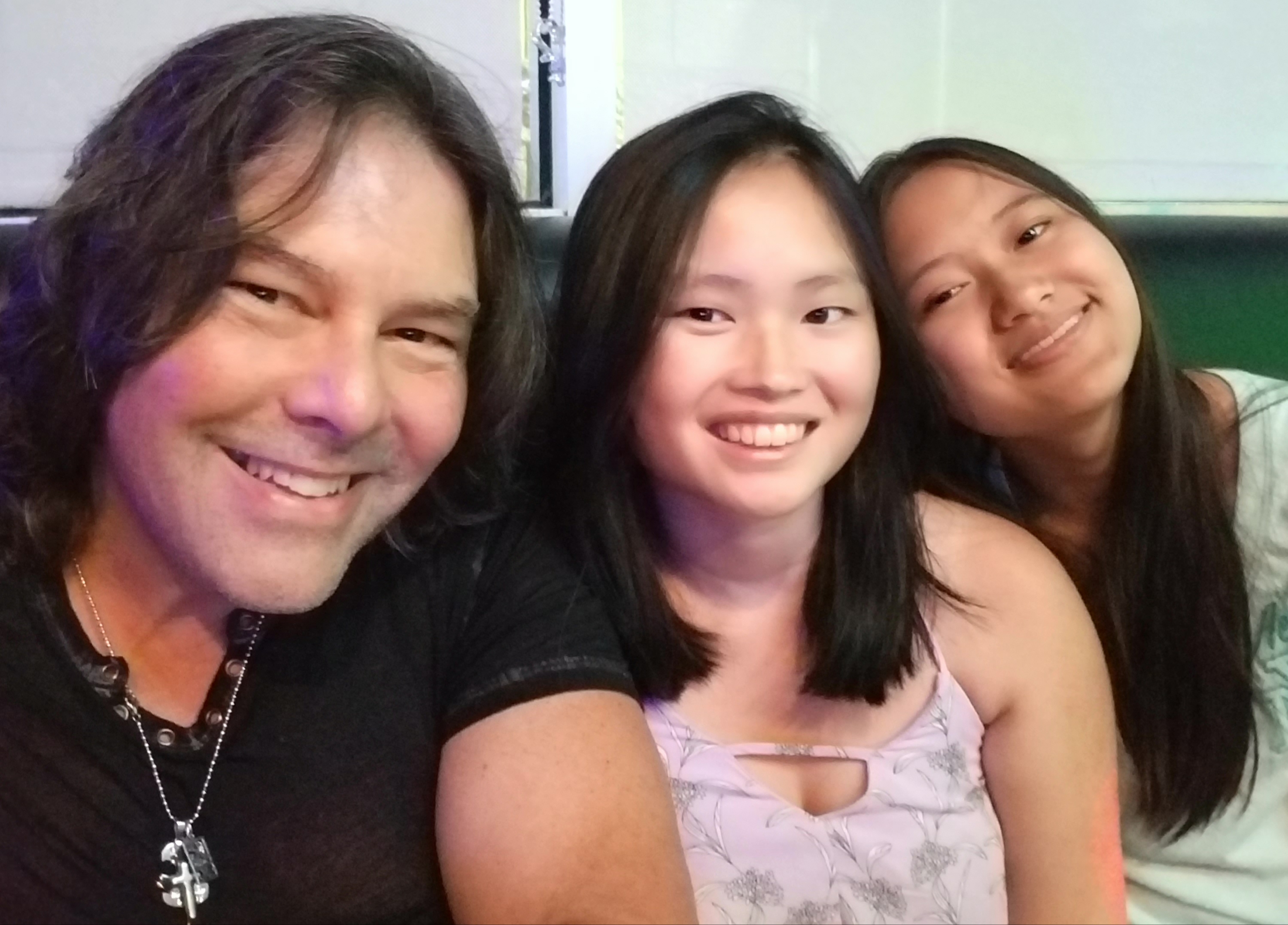
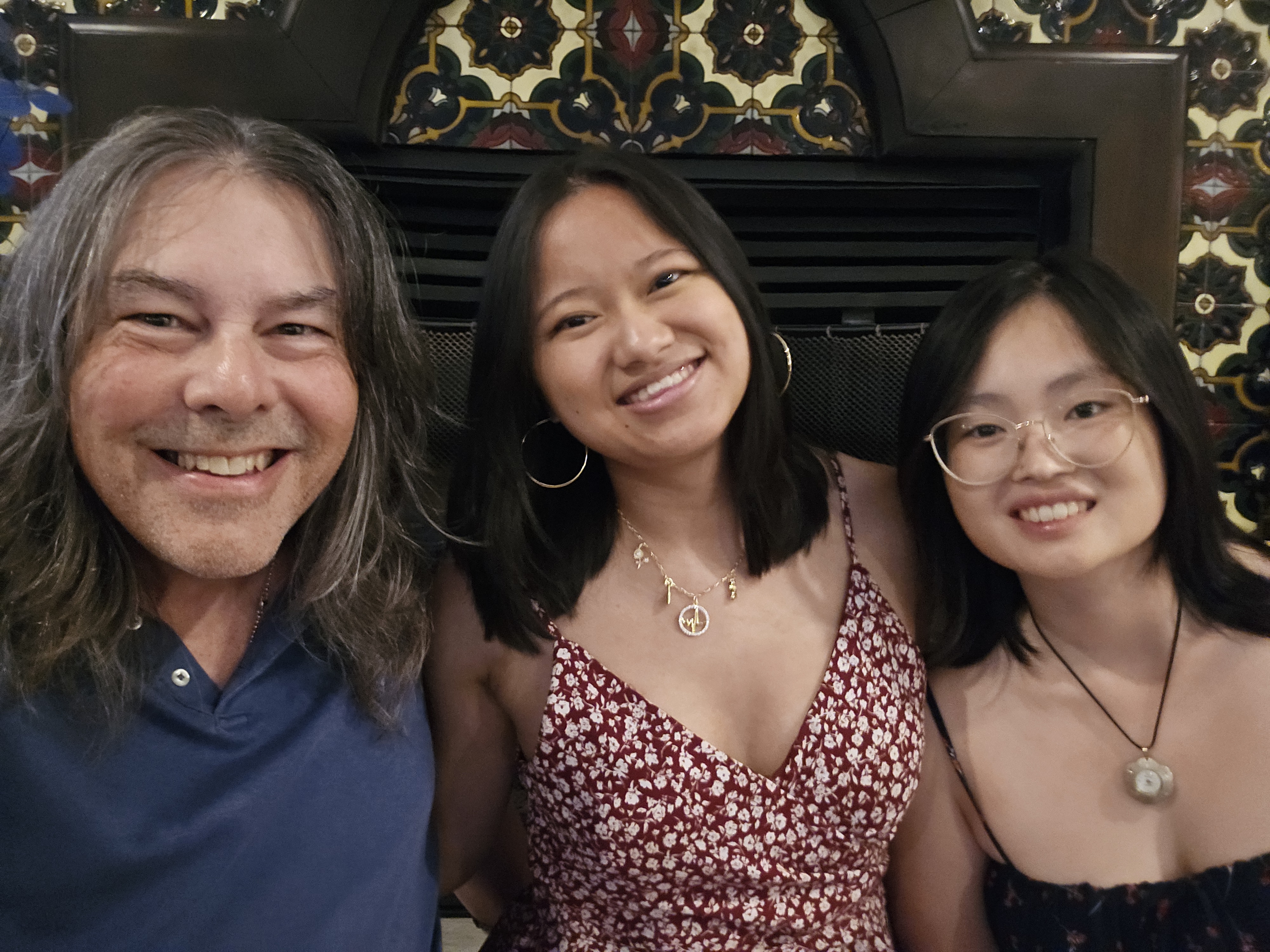
The following is a short story that I wrote for another project earlier this year, a tribute to my daughters, my reason for being.
Maddie And Emmy
By Paul Edelman, Jr.
As a thirty-five-year survivor of Hodgkin’s Lymphoma, some would think that my greatest achievement is simply surviving. Living as a cancer survivor for thirty-five years is indeed a significant milestone, surpassing the well-known five-year mark told to cancer patients, when they can consider themselves “cured” of their cancer. However, I consider my greatest achievements to be my two daughters, Madison and Emmalie, the most important parts of my survivorship.
At the age of twenty-two, one of my main concerns was how cancer would impact fatherhood. Once I had completed both radiation and chemotherapy treatments, it was discovered that chemotherapy left me unable to have biological children, which devastated me. I had always dreamed of becoming a father and had to seek other ways to make that dream possible. Fertility treatments via artificial insemination and in vitro were unsuccessful. My only remaining hope was adoption to help me achieve my life’s greatest purpose, fatherhood.
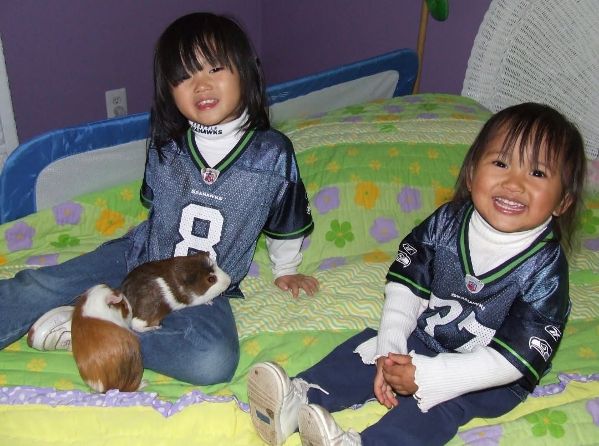
Maddie and Emmy were born thirteen and fifteen years after the time when I first started my treatments. But it was halfway through my recovery survivorship, they witnessed my first health issue caused by late side effects from radiation and chemotherapy administered eighteen years earlier. In 2008, when they were five and three years old, I nearly died from a severe cardiac event, nicknamed for its lethality, a “widow maker” blockage to my heart. I will never forget the bone-chilling words that my cardiologist said to me, “it was not a question of ‘if’ you were going to die, but ‘when.’” I underwent an emergency double bypass to save my life. Three days later, my daughters were brought into the hospital, shocked to see my condition, yet relieved that I was going to be okay. I survived this first of many health complications caused by my treatments. The one constant has been my daughters, my inspiration through each health crisis faced during my survivorship.
Cancer survivors generally do not want their experience with cancer or any subsequent health issues to define them. What holds significant importance are moments like hearing “I love you Dad” from their children and witnessing their growth over the years.
Balancing my medical appointments and parent-teacher conferences was a challenge. My daughters remember good times with me from birthdays, holidays, amusement parks, and vacations. Despite all my health issues, I made sure I witnessed each of their high school graduations. Today, they are both in college, which seemed unimaginable to me thirty-five years ago.
My daughters are aware of my successful battle against cancer and openly discuss it. Because they were not there during my treatments, they did not witness all the medical challenges I faced at that time. However, as adults, I make sure they are fully informed and involved about my ongoing health concerns. Their support and presence provide me with motivation and purpose, inspiring me to look forward to each new day as a significant milestone and the many more events in their lives that I will get to witness.
November is Diabetes Awareness Month. This is another box I check when it comes to my health as I am a type 2 diabetic. I was not always this type of diabetic. It was something that developed over the last many years of my survivorship, in fact, I go as far as connecting it to my late side effect issues from my treatments for Hodgkin’s Lymphoma. Type 1 diabetes did run in my family, but not type 2. And it was not until about fifteen years ago, when type 2 diabetes appeared on the radar. I am always of the mindset, if it was not something I was born with, does not run in my family, and happened post-cancer, then it gets connected to that period in my life. Honestly, I am not really about the “why” stuff happens, I prefer to be “what do I need to do about it?”
What is the difference between type 1 and type 2 diabetes? I am not going to get lost in the weeds explaining the technicalities, but with type 1, the body has a lack of insulin caused by the body’s own immune system destroying insulin-producing cells, causing that shortage. As a result, type 1 diabetics need to monitor their blood sugar and give themselves insulin shots. They also have strict diets as well as other behavior recommendations such as exercises and avoiding certain vices. A type 1 diabetic knows they are type 1 as their symptoms are better recognized, but also severe and quick.
Type 2 diabetes is a resistance to insulin, the body either does not make enough insulin, or it does not process the way it needs to. A type 2 diabetic does not need to do insulin shots necessarily, but should monitor their blood sugar. Side note, as I have written before, this is one thing I am unable to do, as I have written about previously and recently.
Both types of diabetes carry their own potential issues ranging from cardiac to circulatory, optical, and so on. Cardiac can lead to heart disease, circulatory can result in amputation due to “gangrene”, and a condition with the eyes called diabetic retinopathy, where blood vessels in the eye become damaged, causing issues from blurryness to floaters, and possibly loss of vision.
As I mentioned earlier, I attribute my type 2 diabetes to my late effects from treatments. It was about fifteen years ago when my doctor began to monitor my “A1C”, which measures the blood sugar levels over the last three months, so an average of what diabetics check daily. Now here is the thing about the A1C with me, I thought I was being smart. I learned early on, that I could impact my blood tests, when fasting was required, by avoiding things such as cholesterol and sugar, through the week before the blood test, and have great results. The A1C put a stop to that, because while I could have a great blood sugar reading, the A1C proves otherwise.
Initially, my number was around 5.5, which was considered normal, but close to pre-diabetic. Over the years, my A1C would creep higher capping off six years ago at 9.0, full type 2 diabetic. The pancreas is one of the few body organs in me that has not been studied for impacts from my treatments, though I do see an endocrinologist. The loss of my spleen from the staging process of my cancer as well as my thyroid being impacted from treatments, also caused issues with my metabolism which has likely contributed to this.
There are other factors that impact the A1C, such as activity level (exercise), weight, diet, and stress. Medication was also prescribed for me, some that I could afford, some that I could not. I currently take two pills which have lowered my A1C somewhat, while not a great impact, lower is better regardless. Exercise for me is limited to walking. I have lowered my weight to its lowest in thirty years, but I have plateaued as I often do when I get to this level. I do not eat a lot of sugar and the one vice I did have, Coca-Cola, I have all but given up. I do not drink alcohol, do not do drugs, and I don’t smoke. And in recent years, I have finally managed to reduce my stress by 95% and how I respond. My result last month showed my A1C now at 7.4, not great, but going in the right direction.
As for my eyes, I see an eye specialist as well. Nothing has been decided on the retinopathy, though treatment has been talked about in the future. I do have damage to my eyes from the high dose prednisone that I was on during my chemo. And most obvious, I can tell my vision is getting worse.
From the cardiac standpoint, I seem to be holding my own. All my “bionic” repairs to my heart are holding their ground, though new diagnosis have come, but with everything else I have done, I am going in the right direction. I do plan on getting my A1C back into normal range within the next two years.
I really cannot explain it. I can normally feel what time of year it is as Thanksgiving approaches. It is a time that I normally dread. For whatever reason, this year feels different.
Keep in mind, the details that I am going to write, are as fresh and clear as when they occurred, back in November of 1988. I was twenty-two years old. I had a good job working for an appliance parts distributor. I was engaged to be married. Everything was going great. And then it wasn’t.
I was sitting at my desk, when I had an itch behind my left ear. As I scratched it, I realized that there was a lump at the base of my skull where I was scratching. I saw my family doctor who felt I had a cold, and this was just a swollen lymph node. After a course of medicine, the node went down in size, but then I developed pain which led me to another doctor. And it was this doctor who put me down a path that would change my life forever, that is, once he could convince me, that his hunch was correct. While today I consider myself a good advocate for my health, back in 1988 I was my own worst enemy with as much denial as I threw at not just that doctor, but five more denials with doctors that followed. Six doctors in total, all in agreement, made the recommendation that I get that lymph node, now swollen back to its size when it was discovered, just might be cancer. All of the doctors from general practitioners to sports medicine to an oncologist (I had no idea what that was when I had my appointment), wanted the nodule biopsied, which I finally agreed to.
It was the Monday before Thanksgiving when I had the biopsy done. Bloodwork and x-rays showed nothing to this point, and I felt the doctors were also wrong, and the biopsy would confirm that. And that was the beginning of my disdain for this holiday period around Thanksgiving and Christmas. The biopsy revealed that I had cancer, Hodgkin’s Lymphoma. Definitely nothing to be thankful for.
I go into more details in my book. Today I want to go in a different direction with this post than what I have in years past. Like I said, this year is different for me.
It has been thirty-seven years since I was diagnosed with Hodgkin’s Lymphoma. I remember every conversation, procedure, treatment, side effect, and struggle. I remember every heartache of friends who “disappeared” rather than stay in touch with someone who had cancer. I remember the fights against discrimination and for health care. I remember being treated like I was not going to live even after I was told I was in remission. I remember every detail, vividly. This is what makes it so hard for me each year around this time, I have never forgotten what I have gone through. My story is not unique. So many have their own cancer story, many stories worse than I faced.
But this year is different, and with a purpose. Not considered a milestone or even a rounded number, for some reason, year thirty-seven, I have a different outlook (and I do not know why), and I have a message I want to share for anyone going through cancer, or regardless if in the early stages of remission, or in long term remission. Life is good after cancer.
One thing that a cancer patient is not told by their oncologist, and I really wish would be told, as mental health is just as important to beating cancer as the chemotherapy or radiation therapy, all a cancer patient wants to do is get through treatments, and then get back to their lives, picking up where they left off. The reality is, there is no going back to the life that was. And that is not necessarily a bad thing. Once finished with treatments, a cancer survivor begins their life anew, creating a “new” normal. In fact, I can say, I actually have begun several new normals throughout my survivorship. My point is, my life never returned to what it was and there are times that I miss that past life. But my life what it is now, is what it was meant to be, and as of right now, has been exactly what I wanted. And I definitely want more.
The fact that I have been blessed for four decades to witness the amazing progress in diagnostic and staging processes, and newer theraputics in the treatment of my cancer that everything that I went through, which is now obsolete or at best, rarely done anymore. I underwent brutal and invasive procedures such as the staging laparotomy and lymphangiogram and the bone marrow biopsy just for staging purposes. Oh how I wish we would have had the option of the PET scan back in 1988.
Or how about the option of the port for chemotherapy as opposed to being stabbed repeatedly trying to insert the IV needle into veins being destroyed from the toxic chemicals? I did not have that option. And today I am a nightmare for any tech trying to get blood from me as I have no working surface veins for blood draws or IV placement.
And then, there are the treatments. Even back in my day, the amount of radiation and the toxicity of the chemotherapy, it was believed could actually kill us. This was justified because without treatment, we would die anyway. But now medicine has figured out how to treat more, with less, less radiation and newer methods such as proton versus photon, and the elimination of many chemicals once respected as “the cure” but at the ultimate cost, to a standard regimen now used for decades, a lesser toxicity and providing similar results or better for remission.
So let’s talk about life after cancer, long after cancer since it rarely if ever gets any attention. I have accomplished so much in four decades. As I said, nothing like my life before cancer. I finally found a career. I bought my first house. I travelled all over the country and even travelled to the other side of the world to build my family with the adoption of my two daughters. I wrote a book about my life with and after cancer. I dabbled in local politics running for our local school board. And I had the best dog.
I never liked being referred to as a fighter or warrior. I never asked to be put into this position. I was literally thrown into it challenged to survive or die. I was not brave or courageous to go through all the procedures and treatments. I did what I needed to do just as I do today when I am faced with one of my late side effect issues. Each time something comes up, I have two choices, I can either sit back and let life just happen to me, no matter how bad, or I can make the decision to push back and fight. I am tired. I am exhausted and fatigued. I am in pain. But to quote the late great Tom Petty, “I won’t back down.” I make the decision every day, I want another day. I go to bed each night, not dwelling on the bad stuff, but preparing myself for what I need to do tomorrow. If I do not wake up, I will never know that things were not completed. But if I do wake up, then I have stuff to do.
If you want to know if someone can beat cancer, if you want to see what life can be like after cancer, much to the chagrin of many, I have been as public as I can be, sharing all aspects of my survivorship, hopefully providing the inspiration that it is intended to do. It is my hope, that whether you follow me on my blog here, or on TikTok, YouTube or wherever, if you have my book or have heard me give a speech on cancer survivorship, I hope that if anything really brings it on in, because as this survivorship number gets higher, it really is feeling different for me this year. And I am actually looking forward to this year’s holiday season without any reservation or fear.
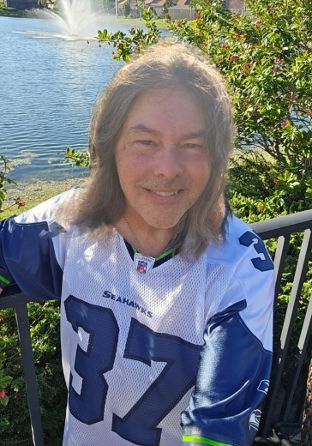
Seriously, how could this journey have begun thirty-seven years ago? I don’t even think I look thirty-seven years old…do I?





 Paul's Heart