This was originally going to be two separate posts, but since both topics revolve around children, I decided to combine them. Tomorrow I want to publish what I would call a fascinating and significant post, and I have found I am pretty good at procrastinating (nearly 400 posts started and never finished). So, if I do not address both now, one may never get published, and I consider both of equal importance.
First as usual, I must address any trolls. Any reference to custody or divorce is no reflection of my personal circumstances and any coincidence is just that, a coincidence.

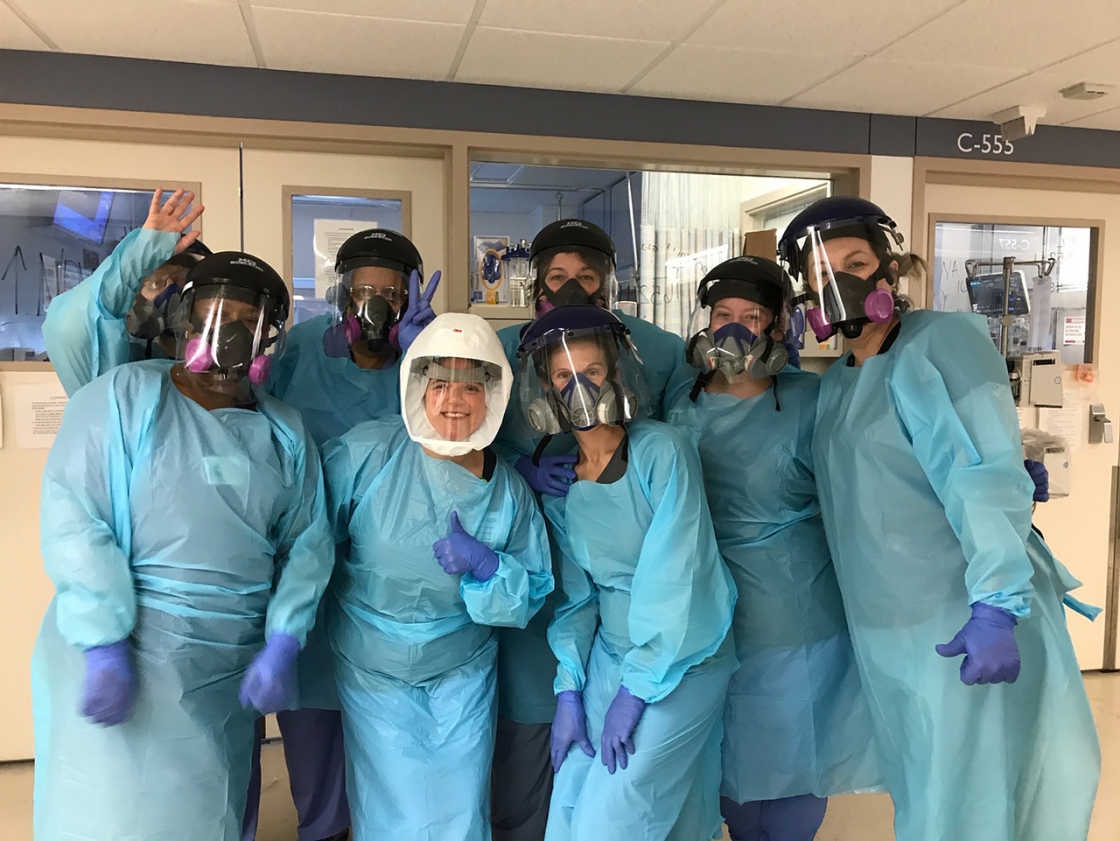
The headline caught the attention of everyone is south Florida on both sides of the coast. It even made national news broadcast on CNN. Of course, I received several emails about the story. To be honest, I really struggle with how this particular story made the news in the first place, but realize that it only caught headlines, because the doctor who lost custody, while being a woman, is a doctor on the front lines of dealing with the Corona Virus.
I do not have the time to address the millions of issues with the family court system, and this is not the object of this post. I am also going to refrain from choosing sides because this story was clearly only presented with one side, as the father of the child is not even mentioned. And honestly, as a child custody advocate, I can tell you it is highly unusual, other than through social media support groups, complaints over custody rarely have any “feet” in a news cycle. In fact, those that have made any attempts to draw attention to a system that has so many problems, is likely to be met with the judge and litigants involved, resulting in a charge such as “intimidating a judge” for just voicing a negative opinion about a case. So, I will admit, seeing this on the news really made me feel uncomfortable.
At issue, the mother, is a doctor in Miami, taking care of patients with the Corona Virus. She has a daughter that she splits time of the child, 50-50 with the father. In a non-Covid19 world, most parents would welcome this kind of arrangement. There is no evidence of an existing custody order.
The father, according to the mother’s side of the story, filed for, and received temporary full custody of the child, while the mother performs her duties in the ER.
In front of the judge in her case, the mother was faced with a decision faced by many today with this crisis. She was being expected to choose between her career and her child. The explanation by the judge, not unreasonable, the protection of the child from the higher risk of exposure of the mother. There are many front line medical personnel who fact similar decisions depending if they have loved ones who are vulnerable, or if they themselves are even vulnerable.
Of course the article stirs up a huge debate and outrcry of unfairness by the courts. The articles and the televised news stories were all one sided, so it is impossible to make a fair and accurate public judgement either way, other than what the judge had ruled. Again, the judge’s decision was based on what was “safest” for the child. For instance, I do have the following questions:
- Was there a pre-existing custody order in place?
- Is the relationship between the two parents adversarial or complimentary?
- Is there any kind of domestic history or behavioral concerns in the past?
- Does the father have any vulnerability risks with the virus that would jeopardize his custody if the child was exposed to the virus or was a carrier?
The answers are relevant, in that could this be a situation of being an opportunist given the current crisis? The only response from the father came through his attorney, stating that it is only the safety of the child that is of concern.
I have seen my share of cases presented, a parent fighting with every fiber of their being, for the right to care for their child, even during their custodial time. And the argument can never be accepted that a parent cannot care for the child as a single parent, when there was no issue as a married parent. This case does not seem to be about actual custody, at least not the way it has been presented.
But the thing that concerns me about the mother’s side, and she clearly states that the hospital where she works, takes all the precautions, and claims that PPE is not an issue, there is a protocol for staff to follow before heading home to family. And as long as you have done everything you are supposed to be doing, in theory, you should be safe, and so should your family. The wild card in this, is everyone else. The mother cannot control what everyone else does as far as their practices and procedures. There are countless cases of medical personnel on various levels, coming home and infecting family members. I know of at least one family personally in a small town in PA where I am originally from. It can happen.
I applaud the mother for wanting to commit to her passion of care for others. And I have no doubt that she cares very much for her daughter, all the more reason she should want the extra concerns met for the safety of her child. It is definitely not a situation that I would want to be in.
I would hope that the father is willing to make arrangements for the child to see the mother as often as possible during this time and that the mother is constantly screened to guarantee the safety of their entire family. Seeing the mother is not just about in person, but also arranging for video and telephone communications. There is no restrictions on communication. Again, the story does not go into details about how they will work around the judge’s temporary ruling. Who knows? Perhaps in time, the mother could decide that she needs time away from the hospital and take leave. I am sure the judge would immediately restore the visitation as it was prior. Fitness of either parent does not seem in question, only the situation.

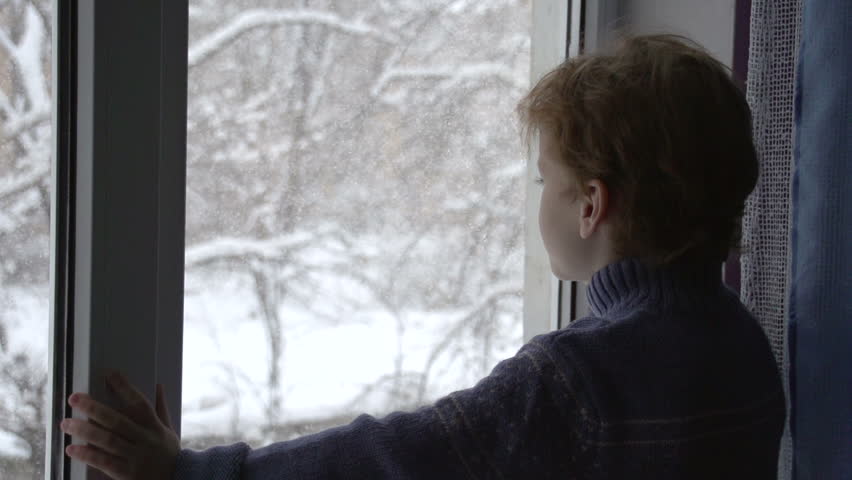
The other effect of this virus on children, no school. Yes, many parents, probably most, have had a child that did not want to go to school. During this crisis, that wish has been granted. But is it a good thing? I want to be clear, I am not making any reference to “home schooled” children as their situation is completely different.
As a child, the most extreme situation that I experienced any kind of isolation, was when I came down with a case of Chicken Pox in fourth grade. Two weeks at home, highly contagious, and itching like crazy. I actually have a scare on my forehead from one of the pox left behind as the scab was pulled off by a hat I wore to keep warm towards the end. Those two weeks were easy for me to endure, because I was really sick. I was not worried about seeing my friends in or out of school.
Snow days, again were different then compared to now. Even twenty years ago, as we got hit with blizzards and warnings came with “state emergencies” to stay off the roads, we did as we were instructed, not just for our lives, but for the workers who actually needed to be on the roads, first responders, and just as importantly, the snow plow drivers. But again, these were temporary times. Were businesses closed down? Absolutely, but only areas affected by the storm, not nationally.
Getting back to the kids, my daughters have been raised to be very social. They adapt very well publicly to different environments which was great jumping from nursery school to Sunday School, to elementary school and so on. Just as when I was a child, I valued my friends. The difference today, my daughters have all kinds of technology and social media to keep in touch with their friends. But that technology does not take away the need for actual physical company of those friends, or their classmates.
In talking with several school officials in various school districts and states, students feeling disconnected from school, unmotivated if you will, is becoming common. No, it is not the ability to cheat off of a test or share homework, the children actually miss hearing the noises in the classroom, breezes as a student walks by on their way to the teacher, laughing in the lunch room.
Parents need to be aware of this. This whole “learn at home” is new to public school families, and the schools themselves. What seems to be an honor system, the work will get done, some sort of attendance recording is kept, though not in the form of hours studying. The only way an inattentive parent will notice if anything is wrong, is when a communication comes from the school mentioning a failing grade, but then it is too late. While physical presence in the school is over for this school year, the effort still matters. And while we as adults struggle ourselves with the need to social distance, it is even harder for those with developing minds to grasp the fact that they are expected to undo what we have taught our children, to be social.
The next school year is more than just about opening schools, clean and disinfected, making sure all issues from the prior year are resolved, all the while preparing to return to a regular classroom activity schedule, most likely all the while trying to maintain the health of the students and staff.
Think about it, if schools are expected to open in the fall, and many are still dealing with Covid19, how does a school deal with social distancing in a classroom of 30 students as is common all over the country? This is just one of many logistics school districts will now have to prepare for.
What cannot be lost however, is what about the kids? We as adults, unless we have a great great aged relative have any concept of what it is like to get back to life following a pandemic or epidemic. We as adults struggle with what will be accepted as a “new normal.” But you know who also will struggle with this? The children. When the children return physically to school in the fall, education as they knew it, will have changed. Of course, there will be those who say kids are resilient, as they have gotten used to and accepted their daily lives prior to this health crisis included the fear of being their turn for a national headline of being shot, or annual lock down drills.
No, this time, when kids return to school, it is going to be totally different for them. Time not only stopped for them, it skipped over an entire period of time.