What I Want My Legacy To Be
A friend of mine, actually two of them stated recently, “though my life has not turned out the way that I thought, I would not change what I have now.” Truer words have never been spoken. A cancer diagnosis in my early 20’s completely derailed the direction that I thought I had planned out ahead of me. But looking where I am now, I find myself having returned back to the simplicity of my future plans, again, keeping in mind what is important to me, not expected of by others. Materialistic goals once again of no importance, rather, what friends and family will remember me for.
This was an example taught to me by the countless stories I had heard about my grandfather who had passed away before I got to know him, as well as the influence on my life by my grandmother. My grandfather was a small-town philanthropic. My grandmother was all about “do for others before yourself.” My grandfather was also the inspiration for my enjoyment of music, but that is another post. I remember how proud I was, to hear the elders of my small town, refer to me as “Claude’s grandson,” followed by conversations about the many good things he had done in our town.
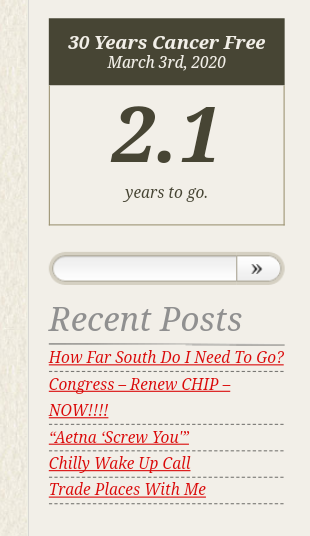
On the front page of “Paul’s Heart” is a countdown clock which is currently set for the 30th anniversary of the day that I completed treatment for Hodgkin’s Lymphoma. It is a personal decision that someone sets the mark where their life is at the half way mark, but for me, I have lived more than half of my life with cancer, and its late effects from treatments. I am also past the half-way point of the century mark. And while I really have not given it a lot of thought, because of all the health issues that I have, and how close on multiple occasions my story could have come to an end, I know that I have a lot more fight in me. I want to live. And there are two factors that drive me.

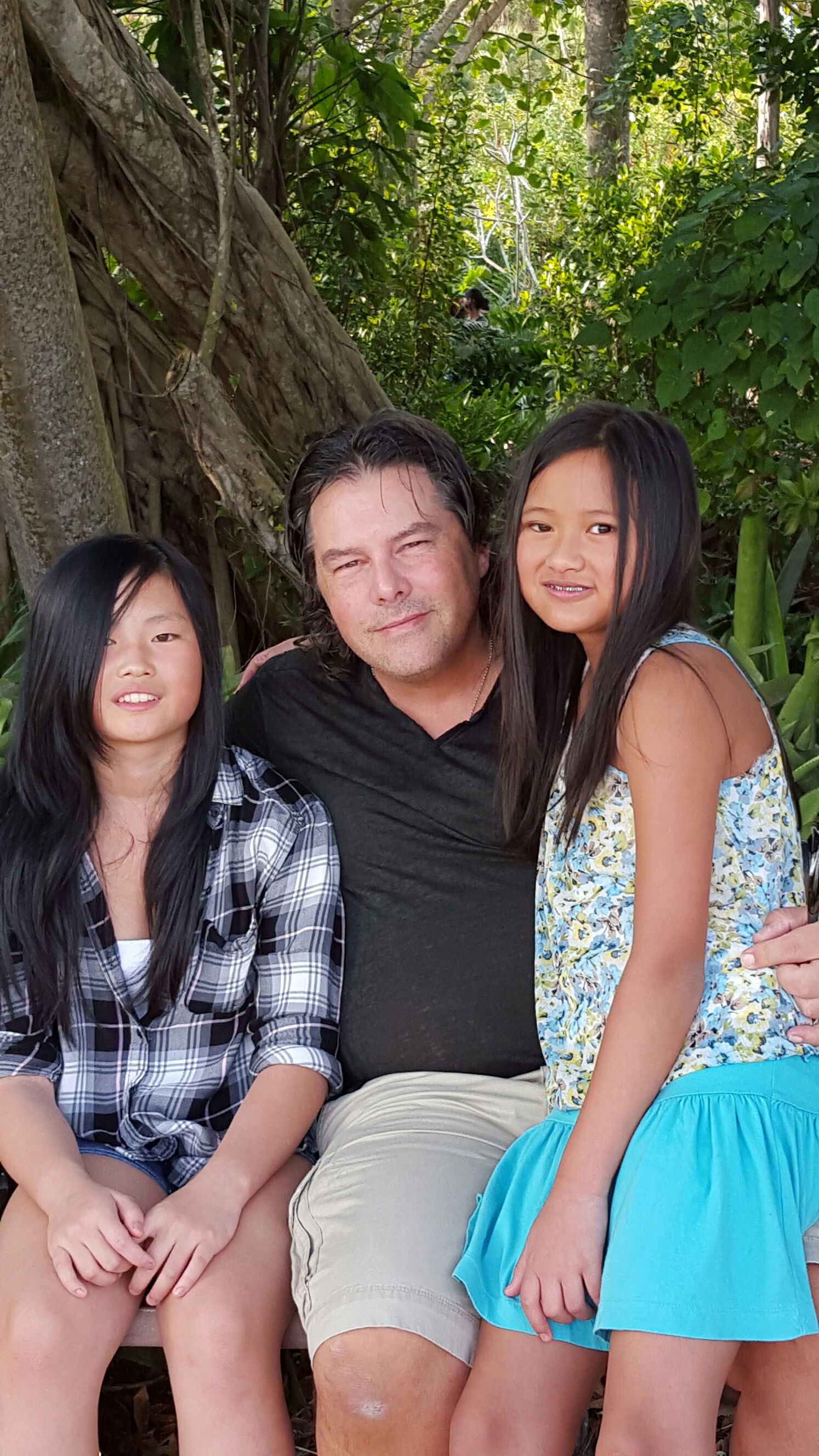
My daughters mean the world to me. And very much like my friends’ quote at the beginning of this post, while they were babies when their lives directions had changed, there have been changes since also for them to deal with. But the one constant that I have made sure of, my daughters know how much I love them, and how I will do everything I possibly can for them within my ability. For them, they know it is not the materialistic things that matter, but time, and words that matter. Every day, I tell them that I love them. I help them with their schooling which has always been important to me. And more importantly, I guide them as they head toward their future. No matter their choices, they know they will not be judged negatively by me, only supported and encouraged. Both of my daughters have a determination that is unrivaled. And as they go through life, I will be with them every step of the way. Graduations. Walking them down the aisle should they choose to get married. And also, I have hopes of one day, being a grandfather myself. But it has been my daughters that have gotten me through the most challenging and life-threatening times of my life. They are what drive me. And as they have told me, I am “very tough for everything I have gone through.” I am “a fighter.” Their words, not mine.
After my daughters, I want to be remembered for my support for cancer patients and survivors. It will never be on the major scale of an American Cancer Society, but rather one person at a time, and it has always been, as many as I can reach.
Before my treatments were even completed, almost 28 years ago now, I had completed training to become a counselor for cancer patients. It was a unique program called “Cansurmount”, peer based counseling. Counselors would be matched up with other cancer patients who were dealing with similar cancers. As I soon found out, the rarity of Hodgkin’s Lymphoma, and shortage of counselors, I would be counseling patients with other cancers as well. I would visit patients in their homes and many times in treatment centers, or even the hospitals. One thing was obvious, every patient was encouraged to have a cancer survivor standing in front of them to prove to them, that they could do it. As someone who battled cancer with no examples of survivorship, I can tell you, this was a big deal.
In the mid 1990’s, the internet gave me another way to reach out to other Hodgkin’s patients. List serves (email support groups) had been created to connect many who were in search of answers, and inspirations. And for the first year or two, my concentration remained directed towards cancer patients. I was able to provide encouragement to many others in ways I never dreamed possible.
Then, one of my fellow survivors on a particular list serve, recognizing my longer tenure of survivorship, had encouraged me to participate in a newer group, specifically created for long term survivors of Hodgkin’s and other cancers. It was not long that I was involved, that I actually felt out of place. These lists did not seem at all about living life without cancer after treatment. The people in these groups were dealing with serious issues, of which I had none at the time that I was aware of. I tried to hang on as long as I could. Emotionally, the toll was huge, and honestly, scared the shit out of me.
Through these groups however, I started to learn of other survivors who had lived just as long, or longer, post-Hodgkin’s. Finally, I was seeing the inspiration I needed to realize that I could live past the magic 5-year mark that cancer patients always hope to reach. But seeing them through a computer screen was not enough. I decided I wanted to actually meet them, face to face, just as I visited cancer patients. I could not possibly visit all of the new friends that I had “met.” So I decided to invite them all to my home. Approximately 20 of them came, from all over the country, and the world (visitors from England and South Africa). It was set up as a “conference” for the weekend, which included fellowship, and education as I had invited some professional speakers from the medical profession to talk about the advances of cancer treatments and learning to live life. It was so successful, and the feelings were mutual among those that attended, and expressed by those not in attendance, another gathering needed to be held again.
This time, the event was held out in California, and we had doubled the amount of people that had come to my home. For me, I continued to meet so many other survivors of Hodgkin’s Lymphoma and I know that I could not have been alone in how I felt. We were not alone. By this time, I had met over 50 other survivors of Hodgkin’s Lymphoma. And the importance had sunk in on just how important it was to meet other patients and survivors. Next thing you knew, others would try to set up these types of gatherings, at the least, even if only a few at a time.
In 2008, my health took a dramatic turn. Up until that time, I was just counting the days that I survived Hodgkin’s Lymphoma. I had not been followed up in years once I hit my five-year mark. I will hit my 10 year anniversary in April of major heart surgery to correct damage caused over time, from the treatments that saved my life. I had heard of these issues online, but not from the survivors I had already known.

While my interests in helping cancer patients remained strong, I now realized that I had to concentrate on survivorship issues as well. As I would find out, very little was known about our issues, because that magic 5-year mark? There was little if anything known about survivors passed that point. We were not supposed to live long enough to develop the side effects that so many, and now myself, were dealing with.

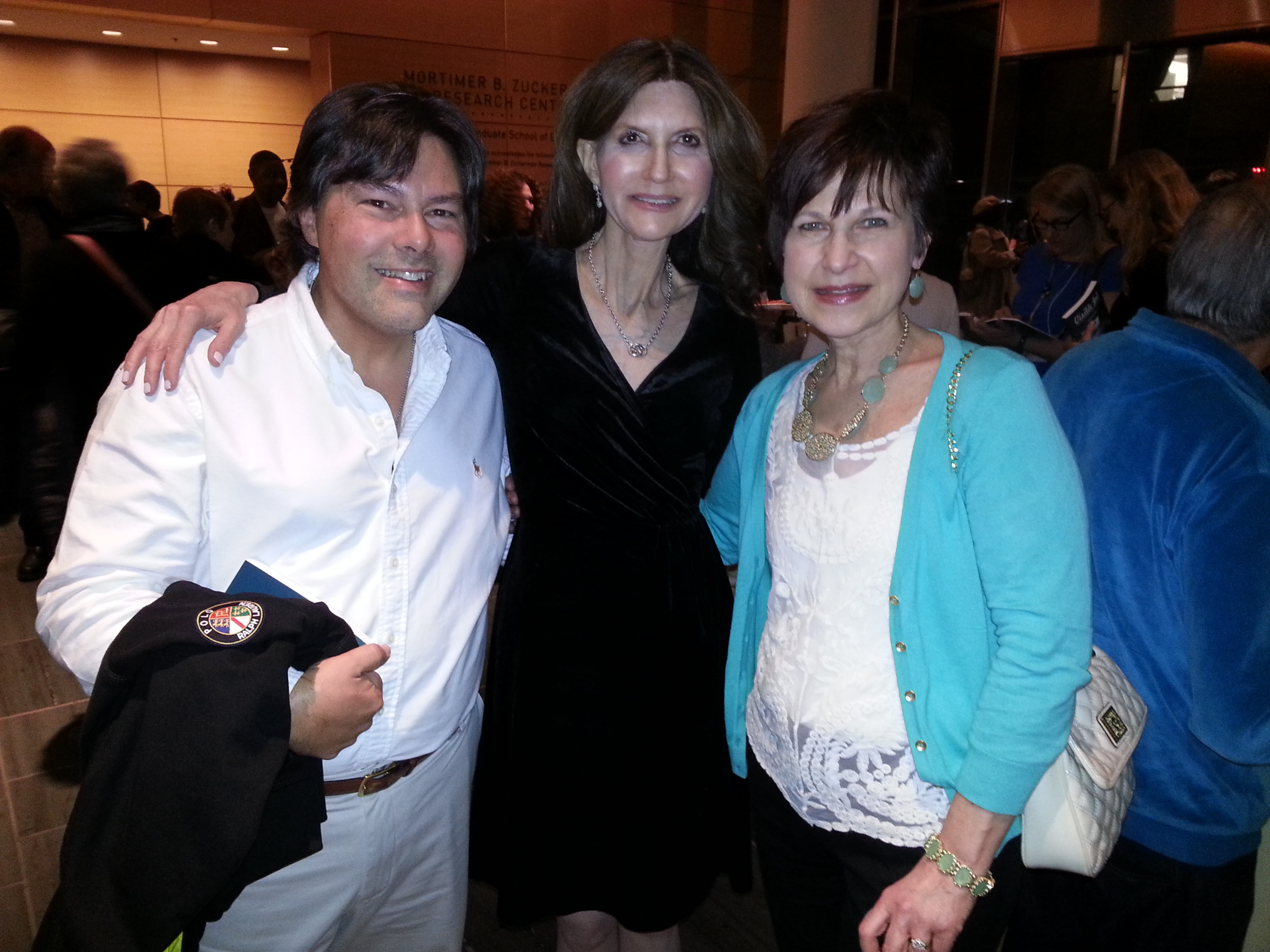
Like the cancer patients I met and was counseling, it became important to meet other survivors who were dealing with these severe health issues as well. Most doctors did not know anything about us, how to diagnose us, how to treat us. It was up to each of us to spread the word amongst ourselves. All of a sudden, as patients, we had knowledge to take with us to our doctor appointments with our mysterious ailments. If we were lucky, as I was, we dealt with an open minded doctor who listened to us, and felt there was something to be taken serious. For too many others, they faced cynical attitudes of denial, sent home, with feelings of hopelessness.
In the years since, I have literally met hundreds of other survivors. Though in recent years, my ability to travel has been limited, until this time, I travelled all over the country meeting others. And no matter where I went, it was announced to internet support groups that I was going to be in the area, and “how about anyone like to get together while I am there?” New York. Seattle. Texas. California. Pennsylvania. Florida. Anywhere, USA.
Cathy. Danny. Donna. Tammy. Lynn. Davina. Karen. Lisa. Jennifer. Tobi. Stephanie. Betty Ann. Peter. Kristi. Michael. Leslie. Angela. The list goes on. I have met hundreds of other survivors, and have conversations online with hundreds more over various web sites. It was inevitable that another world would be crossed, as a couple of my fellow survivors have also adopted children, from China, just as I did. It would be nice to meet them all. I will not say it is impossible because if I believed that way in life, I would not even be writing this post.

Sadly, I have lost so many fellow survivors as well. 2017 was a very painful year for friends and fellow survivors that passed away. This has been the hardest part of my survival, as it causes a flare-up of my Survivor’s Guilt. It is a concept that only those who deal with this guilt, can understand. Yes, I know, I should be grateful for my survivorship, yada yada yada. But that does not help me deal with the “why them, not me?” Some received more harsh treatments than me, many received way less. I have attended the funerals of so many out of respect for my friends and their family, but also so that I would never forget what they meant to me. It provided closure. Again, I have attended funerals all over the country until recent years, because it was what I needed to do.
Newer patients are followed much more closely because of long term survivors like myself and the others that I mentioned previously. Today, survivorship clinics are popping up everywhere in the United States, and the world. And I honestly believe this could not have happened were it not for us survivors having reached out to others, to offer hope and direction, where to get answers. We are a special group of people who put their political and religious differences aside, who are there for each other, day after day, with encouragement, support, and acceptance. And we are all still trying to make arrangements with each other when we visit somewhere. It is good not to feel alone. It feels great to be understood.
This is what I want my daughters to know about me. I may not be an inventor or cure a disease. But I did what I could to help others deal with a most difficult time in their lives. I wanted to make a difference.