
In Time For Flag Day
I have a busy weekend ahead of me. My daughters are coming to visit me for our annual Father’s Day week. Tomorrow marks twenty-six years since I lost one of the most influencial people in my life, my grandmother, a two-time cancer survivor. I do not forget this day, because this date shares the same date as Flag Day, which falls tomorrow.

I took this photo on one of my walks, and was completely saddened by it. I saw it a couple of weeks ago, during of all weekends, Memorial Day weekend. Clearly, this flag should have been replaced. Ironically, it was being flown by someone who should have known better, a military veteran (the branch flag is flying behind it). But clearly, this flag should have been retired long ago as the condition clearly shows how tattered and worn it had become.
I have a lot of experience when it comes to our nation’s symbol. As a kid, I participated in Boy Scouts, where I learned the proper care for the flag, including how to fold and display the flag. On of my first papers I ever wrote, over forty-five years ago, was on Flag Day itself. Not to brag, but I got an “A” on it.
So with so much attention on the flag over recent years, and how I definitely feel it is being misused, misunderstood, and disrespected, I figured I would revisit my report, and perhaps make the report more current to remind everyone just how important our flag really is. Of course, I have a bit more writing experience under my belt since then.
The Flag
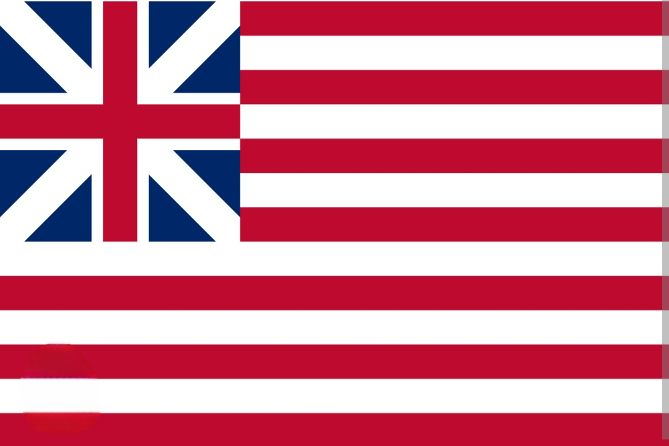
(photo courtesy of Wikipedia)
Most are not aware as there was a flag before the flag with the circle of thirteen stars. It was the “grand union” flag, the unofficial flag flown during the American revolution. Then in 1777 came the flag that most of us are familiar with, created by Betsy Ross, thirteen stripes alternating red and white, and thirteen stars arranged in a circle on a field of blue “representing a new constellation” (Britanica).
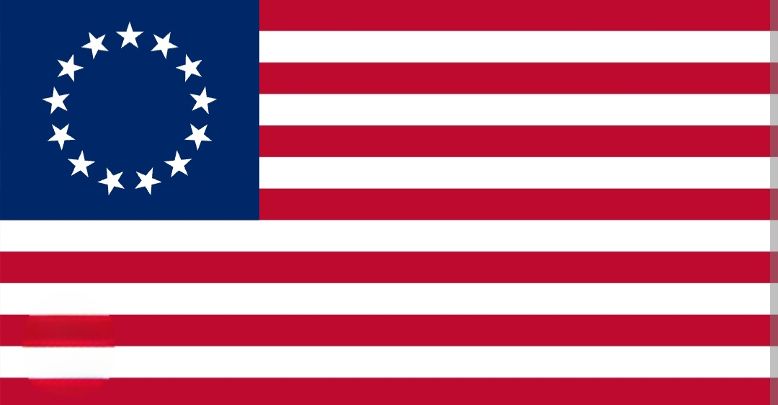
As states would join the union requiring more stars to be added to each version of the national flag, the formation of the stars would change to rows of stars until the 50th state had been added to present “old glory” as it is flown today.

(picture courtesy of Google pics)
So there is the history of the flag.
Care And Display Of The American Flag
Per U.S. Code, the flag should always fly “aloft and free.” The flag should never touch anything below it such as the ground, water, floor, or any kind of objects just sitting there. The flag must not be “dipped” to any person or thing (as in a nod to someone or something). It does not get flown upside down, unless a case of an emergency or signal of distress. Recent incidents of the flag being flown upside down do not meet that standard and therefore is disrespecting the flag.
If you are a flag purist like I am, retail is not going to like this part. The flag should never be used as apparel or as bedding, you know, like those swim trunks soaking up crotch sweat and other merchandise. The flag should not be used for advertisement purposes, in particular, being placed on anything that will be thrown out in the garbage afterwards. The flag should NEVER have any words written on it, nor should any artistic liberty be taken with the flag, you know, like combining the flag with another flag into one, changing the colors to represent a particular cause like sports teams using the colors replacing the red, white, and blue. It is completely unacceptable to merge the American flag with a flag as vile as the confederate flag, into one flag. No matter the cause, “thin blue line”, Black Lives Matter, whatever, simple put, get your own flag and leave the red, white, and blue alone. The flag should never be used as a costume or used to carry anything.
It is important to keep the flag dry, clean, and protected from danger such as harsh weather or other perils.
Now, what to do about that poor and tattered flag that I passed. I am sure the veteran flying that flag should know what to do. But here is how to properly dispose of a flag, no longer fit to be flying.
Proper Disposal Of The Tattered And Worn American Flag
The U.S. Flag Code says, “The Flag, when it is in such condition that it is no longer a fitting emblem for display, should be destroyed in a dignified way, preferably by burning.” When an American Flag is worn beyond repair, it should be retired in a respectful manner.
It is common and dignified to burn the flag no longer considered to be flown in some sort of ceremony (per local burn ordinances of course). The Pledge of Allegiance and moments of silence are often spoken. The flag must be completely burned to ashes, then buried.
Veteran organization like the VFW (Veterans Of Foreign Wars) and American Legion will often take unflyable flags to properly dispose of them.
So there you have it, the proper way to treat, care for, and display the American Flag. If yours is worn, you still have time to get a replacement to fly, as you should. And if you truly want to show respect for the flag, treat her right. Fly her freely and aloft, nothing else.
 Paul's Heart