Paul's Heart

Life As A Dad, And A Survivor

Archive for the category “The Heart”

A Milestone I Almost Never Got To See


“Mr. Edelman, I usually don’t say something like this.  But I am certain that you have a blockage.  But the good news is, I want you to check in next door to the cath lab right now.  I will get you set up for a couple of stints first thing in the morning, and you will be good to go in a week.”

“Okay doc, but, I have plans on Saturday.  I will come back on Monday morning.  We can do it then.”

“Mr. Edelman, perhaps you didn’t hear me.  This needs to be done, right away.”

My cardiologist to me, April 16, 2008


“Mr. Edelman, you are one of the luckiest men on this planet.  I hope you can understand that.  It was not a question of if you were going to die… but when.”

My cardiologist to me, April 22, 2008


On April 16th, I walked into a cardiologist’s office for a nuclear stress test, ordered by my family physician after I had complained about a chest tightness that I had been experiencing for over four months (that I could at least recall).  I returned to the hospital the following day to have a catheterization only to wake up from the anesthesia to be told the situation was much worse than even he had anticipated.
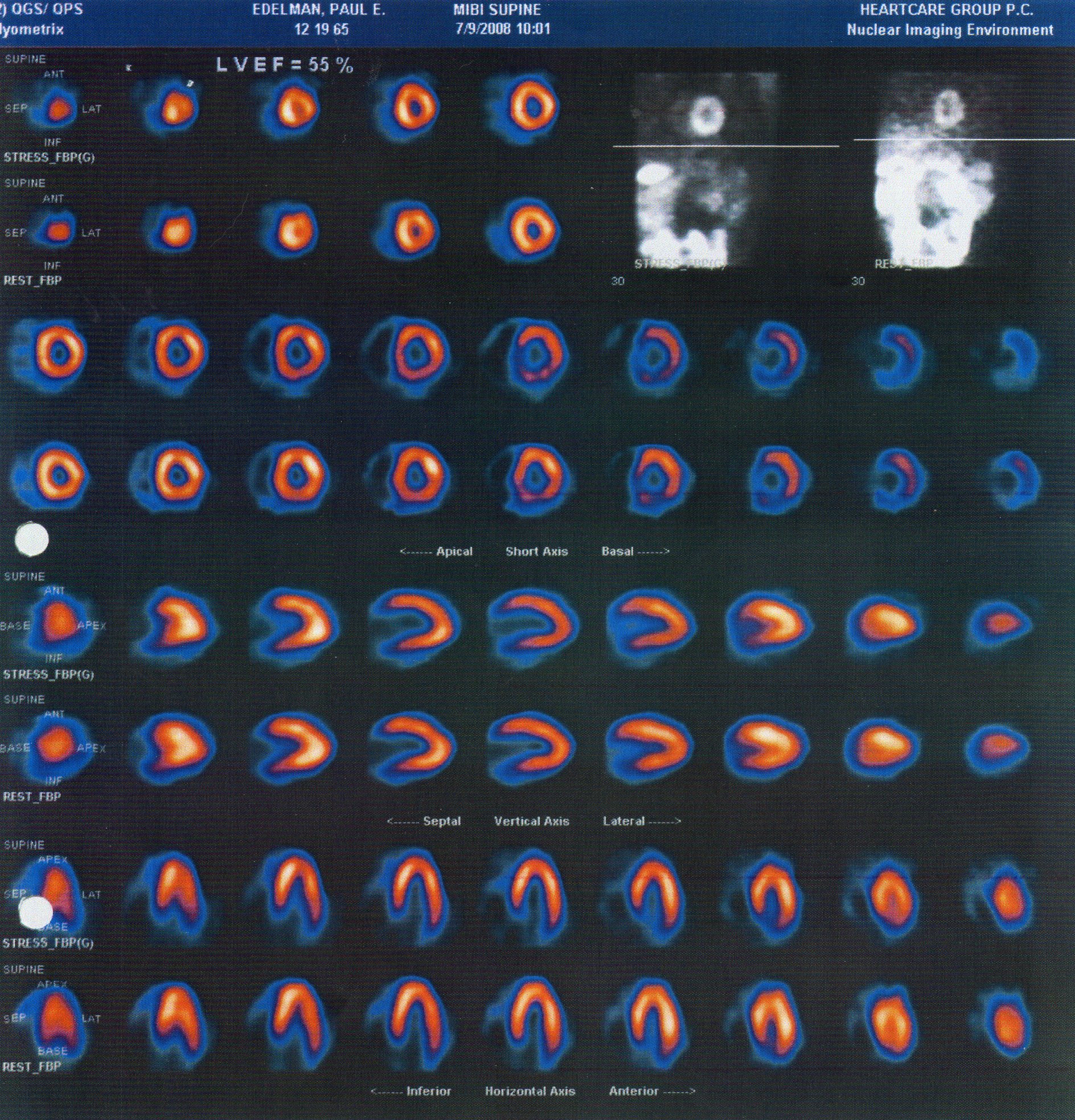
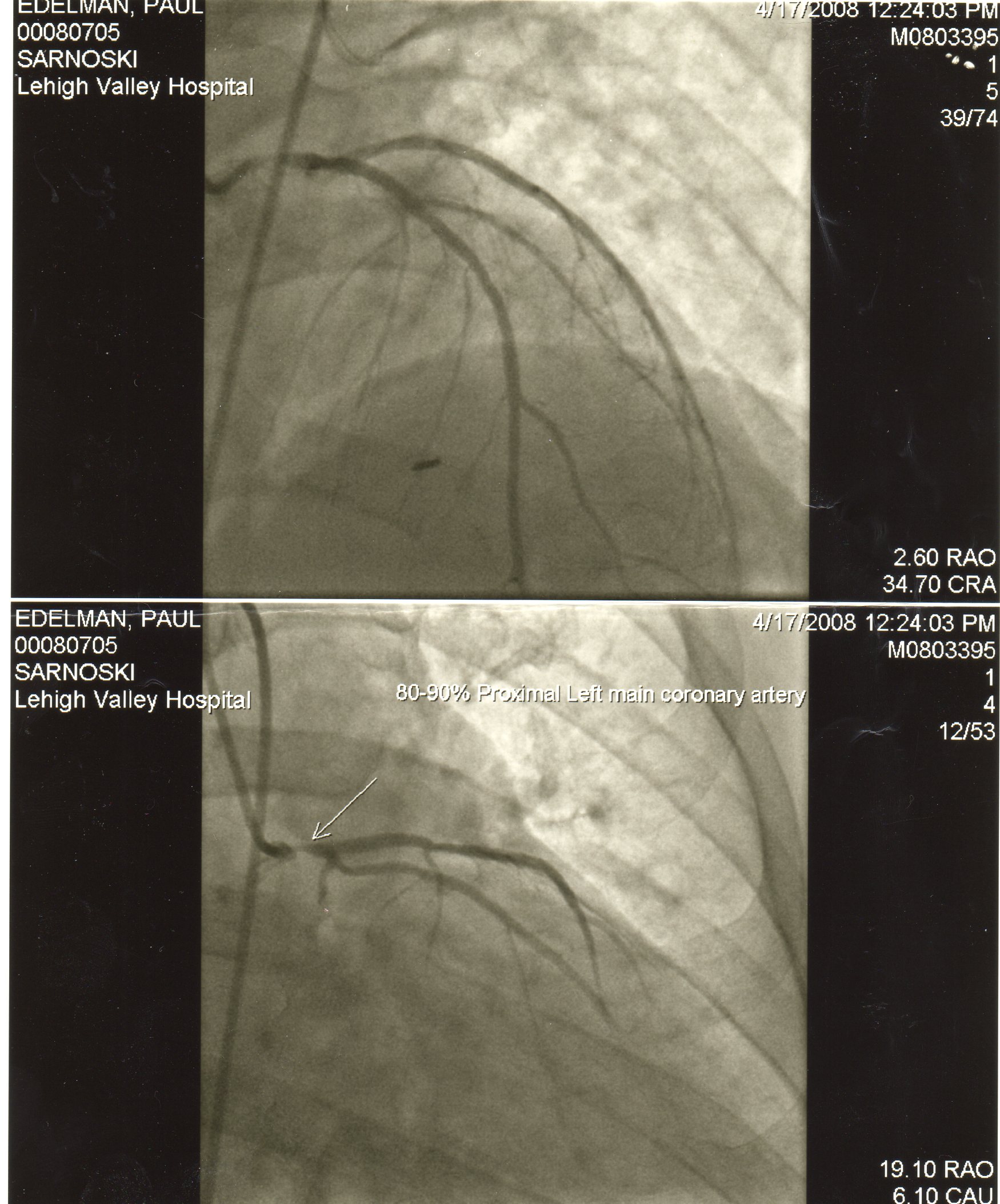
These are the actual pictures of my “death”.  The worst of three blockages was 80-90%.
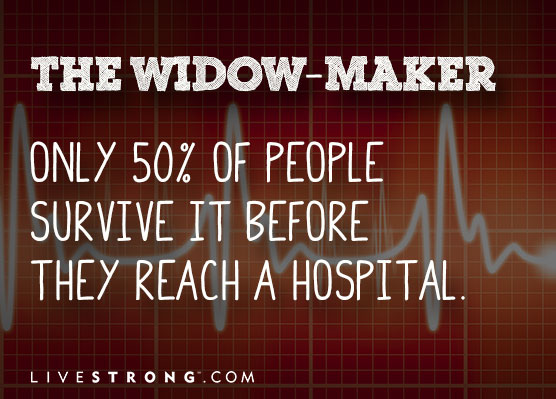
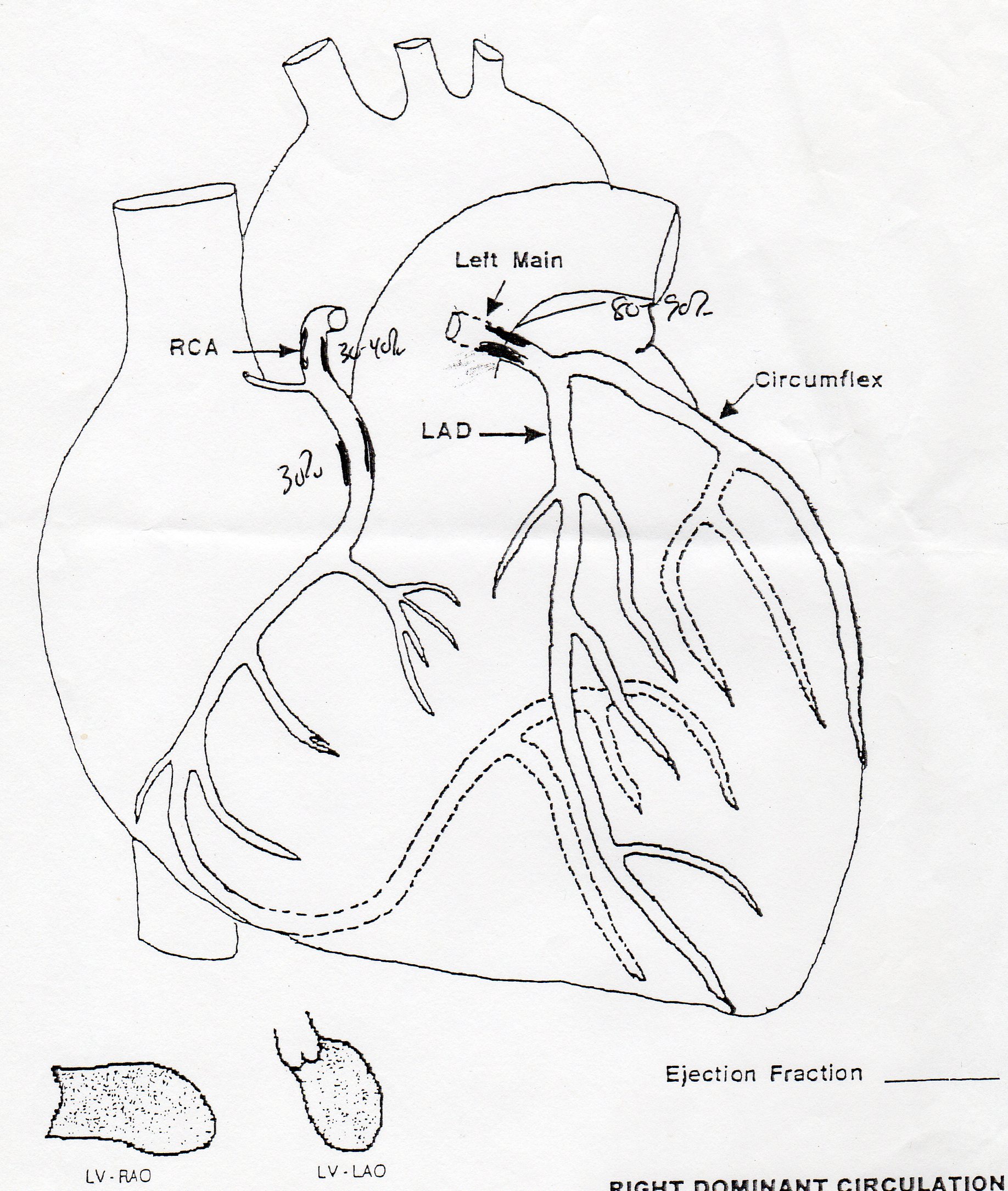
I was diagnosed with a blockage of the left anterior descending artery, a.k.a. a “widowmaker.”  And they call it that for a reason.  Because of the extreme measures that need to be taken, you do not easily survive what will likely be a fatal heart attack.  And the fact that I had this “tightness” symptom for so long, which happened several times a day, and simply just ignored it, I know I was truly lucky.
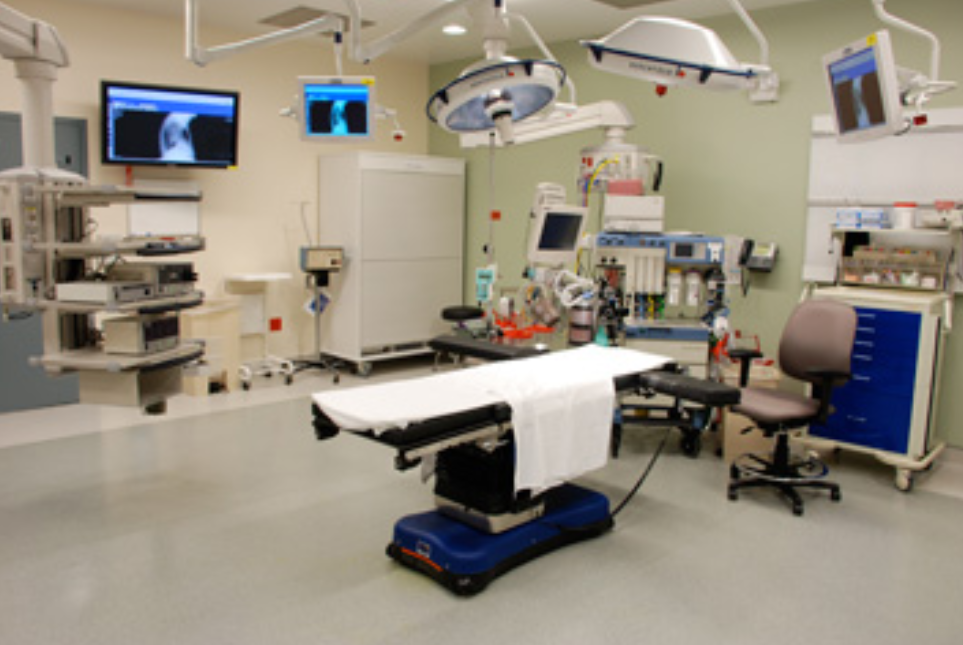
On the morning of April 18, 2008, the nurse would come into my room around 3am, and roll me down to the chapel of the hospital.  It was a request that I had made before I was to be taken to surgery.  At 4am, an orderly came in to prep me, and at 5am I was taken to the operating room.

There I was, laying on the table, naked, covered only by a thin sheet, my arms straightened out away from my body.  Looking around, there were more than a dozen people in the room, tons of equipment, and a lot of tools and supplies.  It was surreal to think all of this was necessary to save my life.

“He is so young,” I heard one of the nurses say.  I was young, 42 years old, and by vitals and stats, there was no real understanding why I should be on that table.  But I was.  The anesthesiologist began talking to me, about what he was going to do.  I did not hear him, because all I could think about was the fact that I could die.  I had two young daughters at home that I never even got to hug and kiss one more time.  That was the last thing I remember.  I was out.

I woke up many hours later, in the ICU, alone.  I had two nurses monitoring and observing me, Jackie and Joe.  They did their best to keep me calm, scared from both the fear of the unknown of what had actually been done to me, and dealing with the pain of having my chest cracked open.  I was only able to communicate with them with hand gestures for either “okay” or waving a finger for “yes” or “no,” or even spelling words with my finger on my bed.

Over the next 5 days, I remained in the hospital, pushing my recovery while at the same time, dealing with an infection I had developed.  On the final day, I was released and went home.
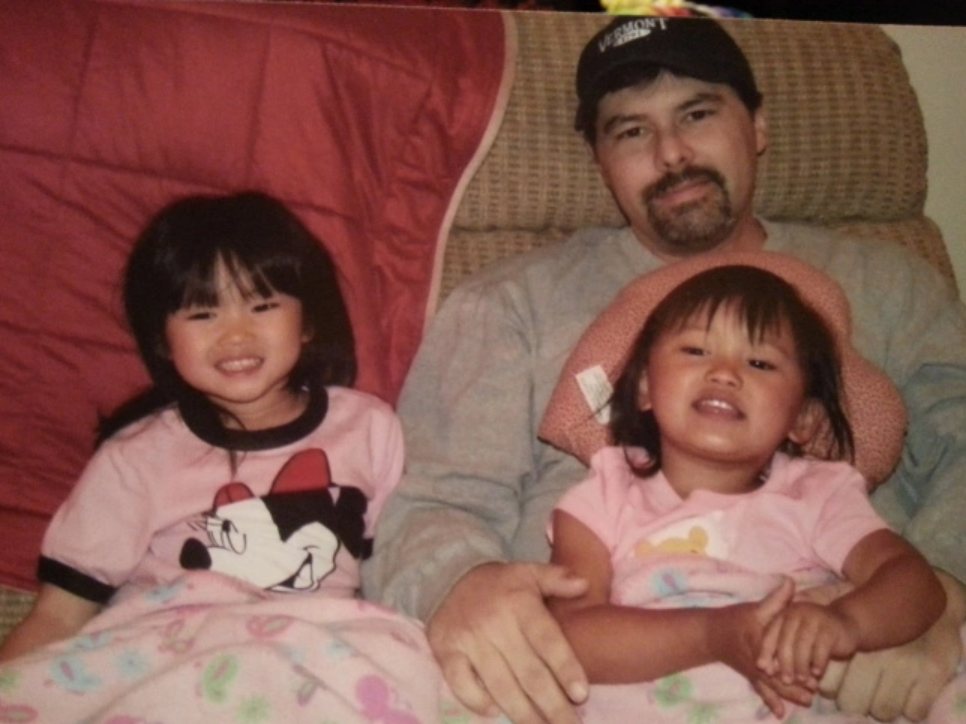
The heart pillow behind my daughter’s head was given to me as a tool to help me hold on to, to press against my chest in the event of a cough or sneeze.  But clearly my daughters were more than happy to be closest to the most important part of me, my heart, and laying on the pillow was the best, and safest way for me, for them to do it.

It was discovered that I had this condition as a result of late developing side effects from the treatments I went through for Hodgkin’s Lymphoma nearly 18 years earlier.  I was exposed to 4 times the lifetime maximum of ionized radiation in a 30 day period, treated with chemotherapy drugs known for their toxicity (mustragen – used by dictators Sadaam Hussein to kill his own citizens, adriamyacin – a.k.a. the “red devil”, destroys the heart muscle, and bleomyacin – known for doing severe damage to the lung).  Even the diagnostic procedure of having my spleen removed and tested, has left me immune-compromised – harder for me to fight and protect myself from nearly every illness.  There is more, but you get the hint, I traded one bad situation for another.

It was the radiation that created this particular situation.  Most of us who have been exposed to this amount, and have this condition, refer to radiation as “the gift that keeps on giving.”  There is a term in the industrial world, called “half life”.  Simply put, it is described as the length of time it takes for your body to get rid of the radiation exposure.  For instance, a dental xray, the radiation does not last very long.  But if you ask a radiologist the half life of 4000 rads of ionized radiation, and their facial expression will turn to one of shock.  This will stay with me, the rest of my life.  Look at it this way, imagine your skin after initial sun burning.  It continues to get red even after you are out of the sun.  Well, the same thing with the radiation exposure of my treatments.

But as serious as this all sounds, I am still here, 10 years later.  Although current circumstances have left me unable to follow up with my doctors due to the lack of health insurance, something I hope our government some day realizes the need for, and institutes medicare for all, I had been followed up by doctors as Memorial Sloan Kettering Cancer Center as a long term cancer survivor with more than a dozen diagnosis.

This had been my second (and not last) dance with death, though this one cut it real close.  I have two family members besides my daughters, along with many friends who encourage me every day.  They understand it is not so simple just to “get over it” and move on.  They understand my current lifestyle is not about being lazy.  They understand and appreciate that they have not had to go through what I, and many other cancer survivors have had to go through.

My doctor at MSKCC for years had told me this, “I cannot reverse these things that are happening to you.  They are progressive.  But I can slow them down.  My goal is that you get to see your daughters graduate high school, get married, be a grandfather.”  Those words of hope came with a stern warning.  I needed to change my lifestyle and stop being so hard on myself physically.  Living and working with the side effects I had developed at the pace and intensity, I was actually escalating the process.  In 2012 and 2013, I ended up in the emergency room 5 times, two of those critical, and one was an undiagnosable heart episode.  So, after four years of ignoring the advice of my doctors, and the compiling of other medical events, my body is now getting the opportunity it desperately needed, and for good reason.
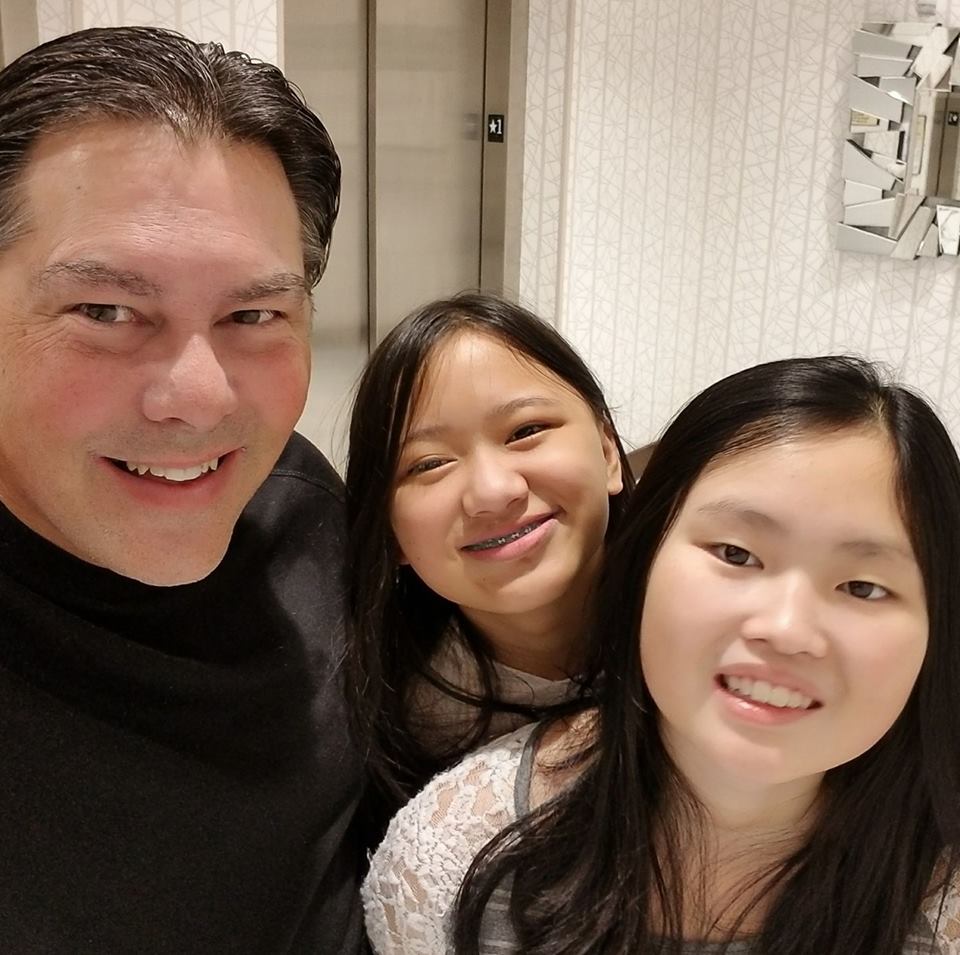
Yes, I look healthy on the outside.  That is what I want you to see.  Most cannot handle hearing even 5% of what I deal with.  And then there are those who choose to ignore it completely, and even go to another extreme of claiming this is all a fabrication.  Shit, there are even those who were witness to my issues who claim they are “nothing really”.

Medicine is only now learning that cancer survivors live longer than 5 years.  And because of that, since long term studies were never really explored, they are dealing with patients like me, having just recognized my 28th year in remission.  I, and others, are actually teaching the doctors about our backgrounds and needs.  And that is because I have met other survivors, and we all share this information with each other because we know, this in many cases, is the only way we will survive.

When I was diagnosed, and I have my patient file, there are only two possible side effects listed, secondary cancer and pericarditis.  But as Maxwell Smart says, “missed it by that much.”  Every thing I deal with is anything but those two issues.  And if you look in the books, they state, only a slight chance of developing these issues.  I call bullshit.

Over twenty years ago, I organized two conferences with over 25 Hodgkin’s survivors.  This year, two of those survivors became the last two to end up dealing with late effects.  That’s right, 100%!  I hardly call that slight.  Those two by the way, were also “widowmaker” survivors.

So, for those that continue to offer support, hope, and encouragement, thank you so much.  Although I would prefer not to have to deal with all these maladies, all I know is how to fight, no matter the circumstance.  I will not give up.  But I cannot just “get over it.”  That would be the worst thing I could do.  That denial almost cost me my life 10 years ago.

And to those who feel the need to judge what I can or cannot do, what I should or should not do?  Really, are you jealous of survivors like me with these issues?  Or just plain ignorant?  I am guessing, both.  Make no mistake, I did not ask for this turn in my life, and that is not to be mistaken for my gratitude of surviving cancer.  But it also does not mean that I deserve what I am dealing with because I made the decision for the cure.

One thing is certain.  I have another huge milestone coming up in less than two years… 30 years cancer free.  Those who are over 40 years old, do you remember what it was like to hear about someone diagnosed with cancer?  They died, or at least, that is all we were ever told.  Today, there are over 12 million survivors, and yes, many of us deal with late effects.  But one thing is certain, we all fight to live.

(the full story of my heart surgery can be found on the page “CABG – Not Just A Green Leafy Vegetable)

Why Bother Using The Word Cured?


Cured.  The only thing a person wants to hear after being told they have cancer.  And it should be that simple.  You get a cold.  Take some meds.  You recover.  Broken bone.  Gets set.  Heals.  But why is it such a problem to nail down the word “cure” when it comes to cancer?  I can only speak from the diagnosis of Hodgkin’s Lymphoma.  I have no idea if patients of other cancers are given the same speech that we as HD survivors are given.

This is exactly how it went for me 30 years ago when I was diagnosed, in the words from my oncologist:

“I don’t like to use the word cured.  Instead, once you hit five years, in remission, it becomes less likely that it will come back.”

So, that should mean that I am cured, right?  But why would he not just say that I am cured at that point?  I was willing to go along with just saying “remission” for five years.  Why could I not say I was cured once I hit the 5-year mark?  I want to use the word “cured” dammit!

My signature of emails that I communicate  to other cancer patients, includes the words “in remission”.  I used to use the word “cured”, but unfortunately, I knew too many who had either relapsed or developed new disease.  Which is not to say, that either is extremely common to occur, but rather, as people only reach out when a need arises, the percentage of people who fall into this category is still much lower than those who do not relapse or develop new disease.

Here is how I see it.

In November of 1988, I was diagnosed.  I began radiation treatments for what I believed I was staged at 2a.  At the completion of those treatments, I was told I was in remission.  By June, I was dealing with Hodgkin’s again, but now staged at 3b.  I had disease below my abdomen which either was not noticed before, or had been there all along.  Doctors did not say if it was new, or did I relapse.  It did not matter.  I underwent chemotherapy.  Again, I was told I was in remission.

And so I waited.  Month to month.  Year to year.  Hoping to reach that five year mark, so I could use the word “cured”.  I want to say everything was laid out to me as far as concerns: relapse, new disease, secondary cancers, and for the moment, at least the next ten years, this was all I thought about, unaware of just what was developing in my body as a result of being exposed to over 4000 grays of ionized radiation (trust me, this is bad, look it up, and I actually know people who had higher exposure), and toxic treatments using drugs such as Mustargen, Bleomyacin, and Adriamyacin (again, look up to what doctors now know about how bad these treatments are, especially in the long term).

As each year went on, and another year I got to hear “still in remission,” my anxiety about a relapse began to lessen.  And yes, once I hit the 5-year mark, it disappeared.  And so did I.  My doctors no longer had any need to follow me up anymore.  I used the word “cured”.  Why would I not?

I am approaching my 28th year cancer free next month.  Why can’t I use the word “cured?”  So what would it be called if Hodgkin’s came back?  New disease?  A relapse?  I suppose it would all depend on the cell structure and typing, if it was identical to the pathology from thirty years ago, probably a relapse.  But if a different pathology, then new disease.  And what about the secondary cancer?  While fingers would point to my HD history as an increasing factor, at the very least, they physiological change to my body and its immune system as a result of all the trauma and treatments would at least give me understanding as to why.

Of course, as I have frequently posted here, I have more than a dozen diagnosis related to my Hodgkin’s history that I became all too aware of back in 2008 with the need for life saving open heart surgery.  But at no time, was I ever fearful of my Hodgkin’s coming back.  That is, until 2010.

An episode of extreme pain, one that would result in me passing out from the level of pain, would have me ending up in the emergency room, with the following conversation:

Dr.:  I have good news and bad news.  The good news is, your Hodgkin’s is not back.  The bad news is that you have a 6mm kidney stone.

I had to do a double take.  Did he just say my “Hodgkin’s is not back?”  Of course it is not back.  It has been 20 years, why would it?  But here I was, in my reality.  That even after all this time, the first thing that will be looked at with my history, is the possibility of my Hodgkin’s being back.

I have seen so many different interpretations of this consideration, cured or remission.  I guess it is all about how you want to look and consider it.  But as one fellow survivor pointed out, for many of my survivors, they may be blessed without having gotten knocked to the floor with a late developing side effect, or at least, be oblivious as to why their body is doing or acting a certain way, or as many of us have found out, better to know and understand why, and how to adjust so as to at least slow down a process (it cannot be reversed) that will always progress and worsen.  I am not saying there is no future at all.  But at least knowing my health issues, and how to treat and or prevent episodes has made a huge difference in the quality of life.

And yes, that kidney stone was bad news.  I wrote about it a long time ago.  Check out “Birth Of A Kidney Stone” in my “pages” section of the blog.

So yes, even after all this time, because it has never ended, I use the word remission.  And I am okay with that.

“Life” Support


If there is one thing I have learned in my nearly 28 years as a cancer survivor, is the importance of emotional support in any kind of recovery or treatment process.  Although I will tell you, at the original diagnosis of my Hodgkin’s Lymphoma, the last thing I wanted, was anyone near me.  Just as unprepared as I was to deal with having to fight cancer, I was also just as unprepared to deal with the onslaught of “super caring” from everyone.  In fact, at one point it became so overwhelming for me, causing me to isolate myself.

But over the years of my survivorship, especially being trained as a counselor for cancer patients, as an outsider, I have seen both the good of family support, and I have seen the bad of neglect and denial.  I have personally met so many families over 28 years.  Each family unique in their make-up of support network.  Some were so inspirational with their support, and others were just so tragic.

One of my fellow survivors was a teenager when she was diagnosed with Hodgkin’s.  She had a boyfriend who stayed by her side through the entire course, never wavering in support, which at times, were quite critical.  Upon news of remission, they remained together, eventually becoming engaged, to be married this Spring.  This young couple has been through so much already, but their support of each other is quite clear.  And I wish them happiness forever in their future.  And should they have to deal with any crisis, I know they will stand by each other’s side.

Another long term survivor like me, married her high school sweetheart.  Decades later, they have a beautiful family with children who have no knowledge of her cancer journey, but are all to familiar with her survivor health issues.  Several years ago, their family was challenged, near fatally, when she was involved in a car accident.  Her health issues were complicated enough, without the trauma of the accident.  But there was her family, by her side the entire time.  Her recovery, the only thing that matters.

I have many stories such as this.  Unfortunately, I have too many that are quite the opposite.

A husband wakes up in the intensive care unit, following emergency heart surgery, hooked up to all kinds of machines.  Panicked as to what had happened to him, made worse by the fact that his wife was nowhere to be found, the nurse did all she could do to calm him down and assure him that he will be fine, the worst over, and hopefully the wife  would appear soon.  But she did not.  She was out partying.  Several hospitalizations later the spouse is still in denial of the serious health issues faced by this cancer survivor.

A wife struggling with a myriad of health issues that have developed over time as a result of treatments for cancer.  Doctors have a hard time finding cause, and lost at a treatment plan for how to improve quality of a life, that will never improve physically.  The wife is made to feel that since her issues are not obvious or textbook and cannot be cured or reversed, she should just pick herself up and do the best she can.  As a long term survivor in this situation, I can tell you this is easier said that done.

Another spouse, was treated as an inconvenience, either due to lack of stamina, or a flare-up of one their late effect issues.  Worse yet, treated as if the issues did not even exist.  His spouse only concerned about the image of disappointment by the lack of appearance at a function.

Then there is the spouse who is jealous, jealous of all the attention the cancer survivor with severe health issues (actually this can apply to any patient dealing with a severe chronic issue).  This spouse is one who is likely to manufacture their own “illness” which ironically is an illness, just to take away the attention where it is actually needed.  This particular spouse would “trump” their spouse’s legitimate health crisis with her own.  As another legitimate crisis would arise, the spouse would develop another manufactured issue.  This cycle would never end until one of them would.  The sad thing was, one spouse would have given anything not to have to deal with the realities of side effects from treatments that saved his life, never to need a doctor again.

I guess the thing that makes it frustrating for me as a counselor, is that I see all the other families who support each other without question.  And I see the remarkable quality of life that my fellow survivors can enjoy, in spite of their issues.  And this applies probably 80-85% of the time.  But it is the other extreme, when there is lack of support, either by denial, ignorance, and yes, even jealousy (attention paid to the patient) that frustrates me most.  You would think all that any family member would want is for their loved one to recover or heal.  Though only 15% of the time, when put into a different number of the actual survivors I have met over my lifetime, it is way more than a handful who lack the support of the significant other or family.  I would count at least 100 of fellow survivors in this situation.  And that is 100 too many.

A family should support each other.  Spouses are supposed to be there through sickness and health.  Sadly for some, their own selfish needs outweigh the care and support needed by their family member.

Post Navigation