Paul's Heart

Life As A Dad, And A Survivor

Archive for the category “The Heart”

The Worst Thing You Can Say To Someone
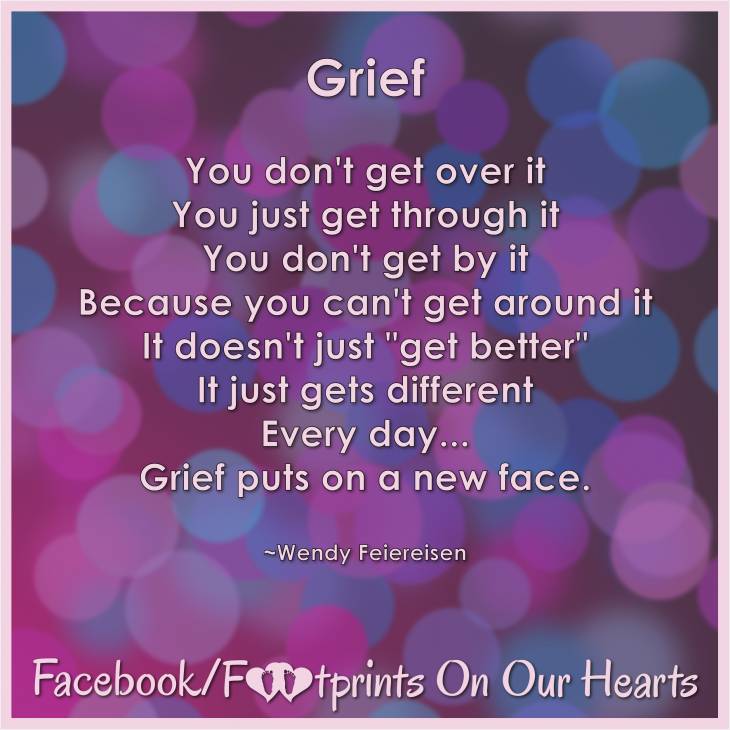

Yesterday, news came across my FB feed, yet another long term survivor of Hodgkin’s Lymphoma passed away.  While I plan to do a tribute to her on a future post, as I have done for others here, I need to express something that I just do not feel is appropriate to include in such an expression.

Before I get to the bulk of this post, I need to state clearly, without any doubt, I am a very positive person.  But I am also someone who must deal with a harsh reality.  At no time however, does this change my outlook in life.  That said, there is no way for me, or many others to just “get over it.”

I am a long term survivor of Hodgkin’s Lymphoma.  And when I say long term, I am approaching my 30th year as the countdown clock on this page displays.  There is no set timeframe that declares you a long term survivor, though for the purposes of this post, I am basically going to refer to those of us who were treated prior to the turn of the century.  During this time, the majority of us were treated with either radiation or chemotherapy, or a combination of both.  I do not think there is any of us who would say it was a “cakewalk”.  We may have had different attitudes of dealing with all of the side effects and the treatments themselves, but it most certainly was not easy to get through.  And for those of us who did hear the word remission, we really were not expected to see past five years survivorship.  So medicine never really bothered to study the possible late developing side effects once we passed that milestone of five years of survivorship.  Instead, many of us were given very vague, and very minor possibilities of concern.  In my case, I was told about the possibility of a secondary cancer or pericarditis (inflammation of the heart).  But I was told, the chances were very slim.

This year, of the first 2 dozen survivors that I have personally met, the final survivor was diagnosed with a “widowmaker” heart blockage attributed directly to her cancer treatments (just as I dealt with in 2008).  So much for a small percentage, because now 100% of this small, yet unscientific group, was dealing with some form of extreme late effect from the treatments that “cured” them of Hodgkin’s.

So, the good news is this, as a result, over the last couple of decades, medicine decided that patients like us, need to be followed.  The problem was, most of us, once we hit our 5-year mark, disappeared from the care of the oncologist making communication and surveillance of health nearly impossible as no way to reach us… until… an event has occurred.  We “guinea pigs” are the reason that patients today are followed up “forever” (as long as the patient does not disconnect).  And for those of us who have had new events, if we are lucky, get enrolled into survivor clinics so that our new health issue is dealt with properly, but the rest of our health is also followed.

We do not just “get over it.”  We cannot, physically or emotionally.  And again, that does not make us negative thinking people.  We need to stay aware of the way our bodies have changed, and the special needs and care we need when something comes up.  This “Pandora’s Box” if you will is both a blessing and curse.  Because while the average healthy person who does not need to see a doctor on a regular basis, may just have to see a doctor, when a serious issue arises, and by then, measures to treat or cure may be extreme or too late, but at least that person was not worried every day.  In our case as survivors, this is our reality.  Our late developing side effects cannot be reversed.  They are progressive, and will continue, until the day we die.  But being followed in a survivorship clinic, or at least dealing with a doctor who has knowledge of these late effects, monitoring patients with annual testing, can watch as the issues progress until they get to a point, that concern outweighs the risks.  We can often get taken care of before an event takes place in other words.

Psychologically, this is Hell.  We still do everything we can on a daily basis.  We do not wake up wondering is today the day we drop dead.  We are still grateful for being able to spend time with our family and friends.  But in the back of our minds, we do know the reality.  Is our next scan going to show enough progression to require surgery?  Do the risks of doing nothing now outweigh the risks of correction?

Many of my fellow survivors who have passed away, nearly a dozen just over the last 3 years, died as a direct result from late effects caused by their treatments decades ago.  Others, died from complications of corrective surgeries and lax follow up care due to doctors, nurses, PA’s assuming the procedure completion was routine.  Most common complications are either perforations, ruptures, and infections.  Our compromised physiologies cannot be treated like the average patient.  Once the first dose was administered, and in some cases, even some of the diagnostics (like splenectomies – spleen removal), everything internal has changed for us.  And for the rest, it is all of a sudden.

Except for you reading this post, the majority of my friends and family, 95%, have no idea what I am dealing with.  And the same can probably said for my other fellow survivors.  This is either by ignorance (do not want to know), or by protection (I do not feel you can handle knowing what I deal with).  So, I do my best to make sure that my outer shell, shows no signs, so that it does no interrupt anyone’s positive auras.  I cannot count the number of times I cringe when I hear “you look good,” especially by the doctors, because inside I feel like shit.

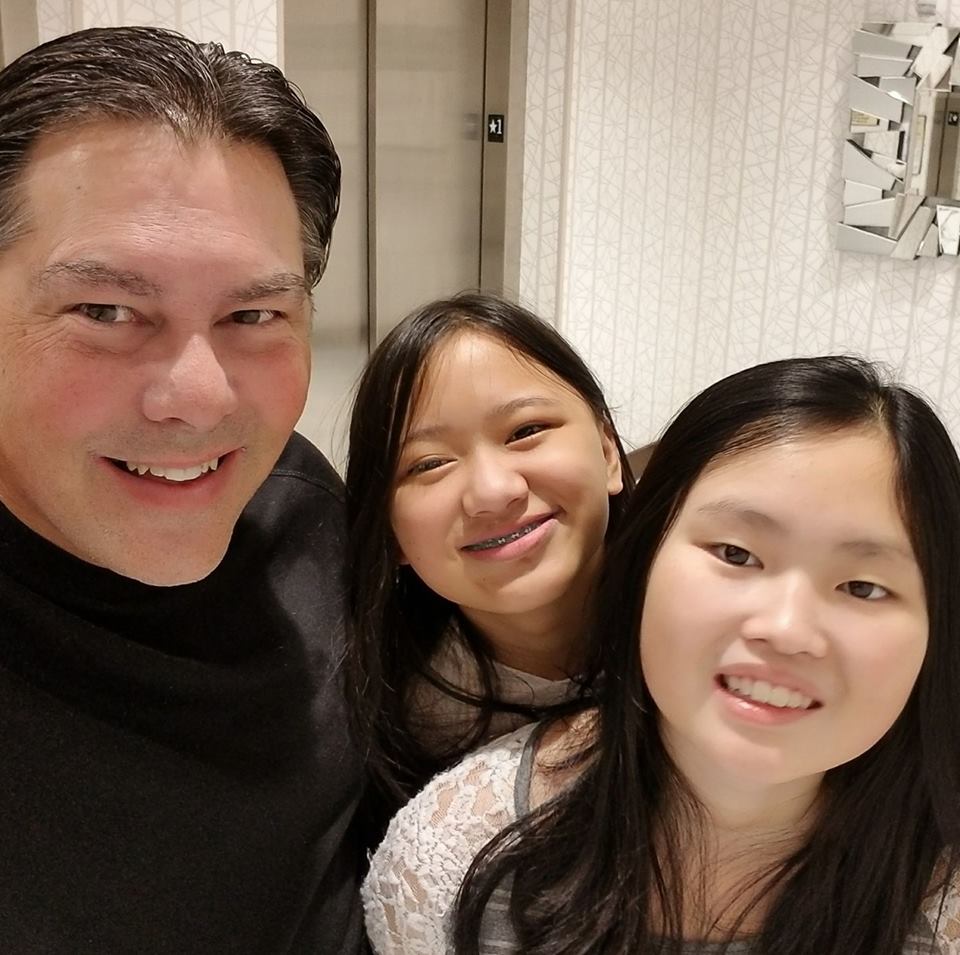
As I said in the beginning, I am a positive person.  I have to be.  I have two young daughters who want to spend a lot more time with me.

For the naysayers though who say, “yeah, well you didn’t seem to have any problem with your work assignments before until you were told you had all these other issues.”  And that is true, to a point.  I was raised with a mentality to give 100% to everything I do.  Show up to work sick as a dog.  Wait to go to a doctor until you pass out from the pain.  But from January 2008 until April 16th of 2008, I went through daily episodes, multiple times a day, experiencing a chest tightness.  The feeling would go away after a period and I would continue whatever I was doing.  I cannot remember, but there is a likelihood, that this went on way before January.  In any case, this tightness was actually a 90% blockage of the main artery to my heart, referred to as… drumroll… “a widowmaker.”  And they call it a widowmaker for a reason.  You do not survive the fatal heart attack.  My cardiologist told me, it was not a matter of “if” I was going to die, but “when.”  I had already worked over 120 days like this, how much longer could I have gone.

Anyhow, once the bypass was done, and revealed that I this damage due to radiation therapy, I was referred to a survivorship clinic.  But I also noticed something else, I was feeling other issues that had been masked by the pain in my chest tightness now.  And sure enough, I would be diagnosed with other issues as well, more than a dozen.  I finally had an answer to why I was not feeling fully recovered.  Once getting diagnosed, I needed either a treatment or management plan.  For the most part, once everything was diagnosed, it was a matter of management for everything.  Corrections to the diagnosis posed more of a risk for complications, so now I wait, year after year, watching the progression get worse until they have to do something.  In other words, wait for another type of “widowmaker” to develop.

My doctors were adamant, I needed to change my lifestyle, “slow the fuck down” (their words not mine).  I could no longer push myself the way that I had been doing, because while the issues could not be reversed, the progression process could be slowed down.  But my pushing myself physically day after day was not going to accomplish that.  I knew what they were getting at.  And in spite of having the protections of the Americans With Disabilities Act, upon my return to work, I went right back to the way I had always been, work long, work hard.  And I had gotten away with it too.  I went to my doctor appointments, got all my tests done, and while there was progression, I did not feel there was any concern.

Until the time period of March 2012 through February 2013, when I would make 5 trips to the emergency room, one by ambulance in critical condition.  My body could not take it anymore.  And so, I leaned hard on the ADA to protect my right to earn a paycheck.  I would still try to do what I could, but I definitely needed to change at this point.  My body was starting to die, cardiac, pulmonary, muscular, spinal, endocrine, gastro, everything was being affected.  My doctors continued to encourage me to retire on disability, I needed to change.  But my mind was not prepared to have me feel “worthless”.    Or as many often describe me today, as lazy.

Someone with my issues is a liability to an employer in several ways.  I am more likely to get hurt on the job.  God forbid I die on the company property, the insurance check that would come from them.  Lost time became an issue as did work restrictions of what I was and was not allowed to do, based on the abilities of my body, determined by my doctors.  But as long as I felt the guilt being aimed at me by both my co-workers and supervisors, I was always going to push myself, not accept what was happening to me.  I was going to die.

Today, the changes in my life, some voluntary, others not, I believe I have slowed the progression, though I cannot confirm it as I no longer have health insurance, and am therefore cut off from my survivorship clinic.  My body is a ticking time bomb waiting for its next event, and then it will be dealt with as I have done prior, as an emergency.  I still only let people “see” what I want or feel they can handle, I do what I am able now within my limits and I do not force myself.  But no longer having the pressure of meeting the expectations of anyone else, other than surviving, I feel I have the chance to experience what my doctors told me a long time ago.  “I want you to see your daughters graduate high school, college, get married, and to see you become a grandfather.”  I will never forget that reminder of just how close I have come, and the reality and fragility still exists as I am reminded when another fellow survivor passes away, of losing it all.

I do not care that my arms do not raise over my head.  I do not care that I cannot walk up stairways.  I do not care that I spend the majority of time indoors to deal with pulmonary issues.  I do not care that I cannot do some of the things I used to enjoy doing like playing ball.  I have learned to live with, accept, and adjust, what I need to do in my life.

Yes, I am a very positive person.  And I am driven to make sure that my doctors words come true.  And if family, friends, strangers want to refer to me as lazy, or because they cannot see with their own eyes the internal issues I deal with as “fake,” that is on them.  I am not the only survivor out there dealing with this challenge.  But I can make sure that I do what I can.  But I definitely cannot just “get over it.”


What Makes Me Tick


I have mentioned time and time again, about the number of cancer patients and survivors I have met over the nearly 30 years since my diagnosis of Hodgkin’s Lymphoma.  Each time I meet or speak with someone, it is entirely a different experience, and each time, leaving me with something else to consider that I had not given thought to before.

I never got to meet the three other “kids” that were being treated for Hodgkin’s along with me.  Unlike chemo suites today, I was kept secluded as were the others during our treatments.  We never bumped into each other at follow ups.  And other than my oncologist mentioning that I was the only one out of the four, I received the full complement of chemotherapy cocktail for the entire treatment plan, I knew nothing about them.  To this day, I have no idea what ever happened to them.  Were they still alive?  Do they deal with late effects from the treatments like I do?  Nothing.  I have no idea.

I got to meet other survivors soon after my treatment after I enrolled in a pilot counseling program, called Cansurmount, a peer to peer counseling program sponsored by the American Cancer Society.  A great concept, but it failed due to the lack of medical community support who felt that getting “help” from someone who has been there before, risks delays in treatments if a patient should give second thoughts.  And admittedly so, there were some in my class that should have been helped themselves before taking this effort on.  My first patient was a 16 year old girl who would eventually pass away, never seeing remission.  I wrote about her on the page, “Jennifer’s Story.”

In the late 1990’s, I expanded my counseling efforts via “list serves”, email groups or forums, specifically tailored to Hodgkin’s survivors.  My involvement and support to offer grew enormously as instead of just offering local support, I was able to offer support nationwide, even internationally.  It was at this point, I had the idea, to hold a “gathering” of survivors where we could all gather and share our experiences.  One thing I want to state at this point, during this gathering, and another subsequent gathering, only a small percentage of people knew that they were dealing with late effects from their treatments, but with the rest of us unaware, we simply made this a Hodgkin’s “thing.”

Facebook would come along and expand internet support even further for a rarely known and diagnosed cancer, Hodgkin’s Lymphoma.  Soon, people were hearing about others getting together to meet up with each other to share their experiences.  But as time went on, and our survivorship years increased, so did the issue of late effects.

As most survivors of Hodgkin’s Lymphoma from decades ago will tell you, we were not studied to live beyond five years.  Therefore, little if anything was known about late effects from either chemotherapy, radiation, or treatments of both.  Many of us were simply told of a risk of a secondary cancer, and in my case, an enlarged heart.  In my case, I would eventually and currently be diagnosed with over a dozen issues from cardiac, to pulmonary, to gastrointestinal, to spinal, muscular, and more.  And yes, PTSD is another one of those effects.

Once I became aware of my late issues, I then expanded the patients that I met with to include survivor issues, not just lymphoma.  Not only am I meeting with others, but others are also making arrangements to meet other survivors and patients.  Finally, word is getting known about the issues that we deal with because a well documented fact, unless you have breast, lung, or colon cancer, there is not much publicity or support for any of the “lesser” cancers.  We have to do it all on our own is pretty much how we feel.  And the truth is, we are making a difference.  Perhaps not on a grand scale, but one at a time, survivors are finding out what is causing their bodies to betray them, seemingly without cause.  We are now sharing where to find the medical help.  And we are able to be the shoulder for someone to lean on when needed.

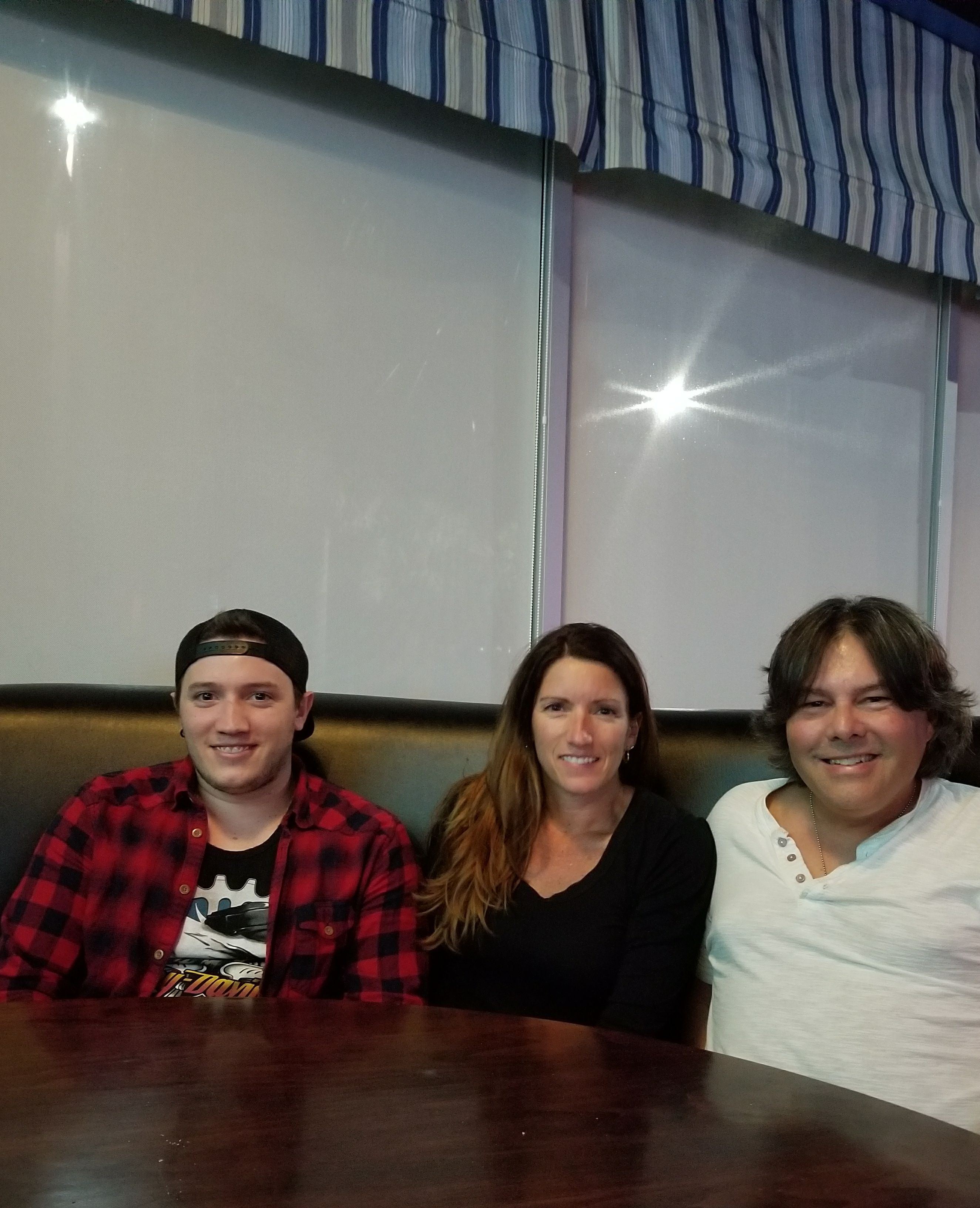
This past weekend, I got to meet someone else from the world of Hodgkin’s, not a patient or survivor, but rather a family member.  This happens quite a bit because they too want answers to what their family went through, in this case, her sister and nephew.

You see, I was actually friends, though we never physically met, with her sister, the Hodgkin’s survivor.  We had known each other several years, and actually lived near where I did in Pennsylvania, though oddly, we never ran into each other.  Two years ago, she passed away, complications from the late effects that I mentioned earlier.  The sister and son live in Florida, same as I do, and we finally had the chance to meet.  And like I said, everyone I meet or talk to, is always, and I mean always a different conversation about our experience, and we always come away affirming what we already knew, and learning something more that we had not considered.

I asked questions about her late sister, about what she was like, how she dealt with her issues, and such.  I mentioned that her sister was always the kind to help others, in spite of struggling with her own life.  Here sister affirmed this is who her sister was.  But if there is one thing that will stick with me from our meeting, and this has only happened with one other Hodgkin’s related friends, she not only got, but understood what the variety of late effect health issues that her sister struggled with, and gave unending empathy to her sister.  And she is not the only sibling I know either, thanks to social media.

This is really an understated issue among us Hodgkin’s survivors, getting not only friends, co-workers, but especially family members to realize how we look on the outside, does not reveal what our bodies are struggling with.  It was so heartwarming to hear how she cared and tried to advocate for her sister.  Even spouses often find themselves lacking in this common sense support even in spite of witnessing events of health flare-ups in person, refusing to accept the commitment of “for better or worse”, simply retreating to a world of denial (“it’s done, they’re better now, move on, they are fine”).

No, we are not fine.  And it was emotional for me to hear that from a stranger, how she felt for her sister.  I know I am not alone in having to accept the level of denial or ignorance of the health issues that I deal with, regardless of what has been witnessed.

But because of meeting Corrine and her son, and sharing our experiences, I know, without a shadow of a doubt, we survivors of Hodgkin’s our making a difference, a difference that medicine is now only just catching up to.  Sadly, we will still have to deal with those who look at us and say “but you look great”.  As words spread about us, so will the knowledge.  And that is worth sharing.

A Milestone I Almost Never Got To See


“Mr. Edelman, I usually don’t say something like this.  But I am certain that you have a blockage.  But the good news is, I want you to check in next door to the cath lab right now.  I will get you set up for a couple of stints first thing in the morning, and you will be good to go in a week.”

“Okay doc, but, I have plans on Saturday.  I will come back on Monday morning.  We can do it then.”

“Mr. Edelman, perhaps you didn’t hear me.  This needs to be done, right away.”

My cardiologist to me, April 16, 2008


“Mr. Edelman, you are one of the luckiest men on this planet.  I hope you can understand that.  It was not a question of if you were going to die… but when.”

My cardiologist to me, April 22, 2008


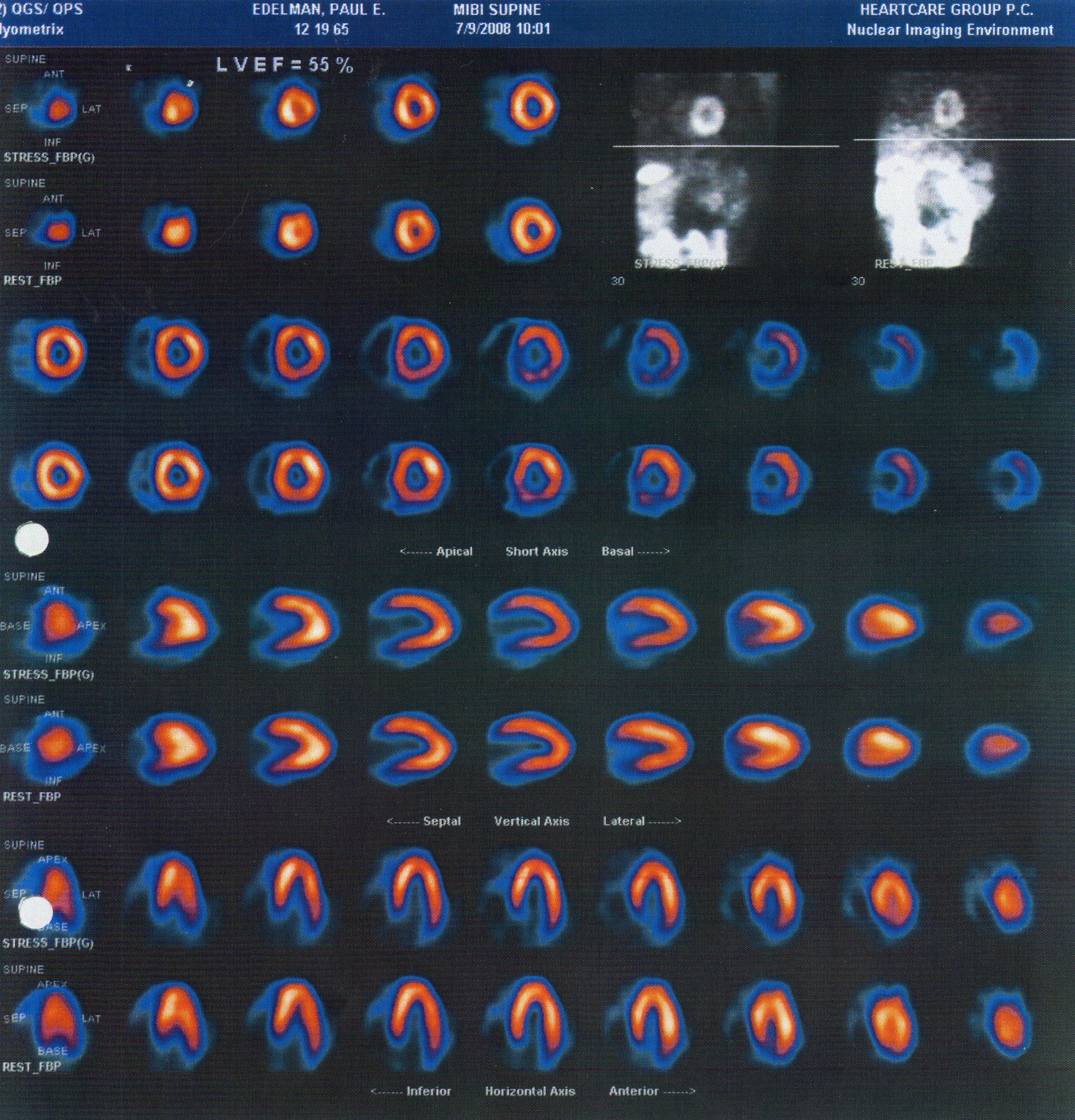
On April 16th, I walked into a cardiologist’s office for a nuclear stress test, ordered by my family physician after I had complained about a chest tightness that I had been experiencing for over four months (that I could at least recall).  I returned to the hospital the following day to have a catheterization only to wake up from the anesthesia to be told the situation was much worse than even he had anticipated.

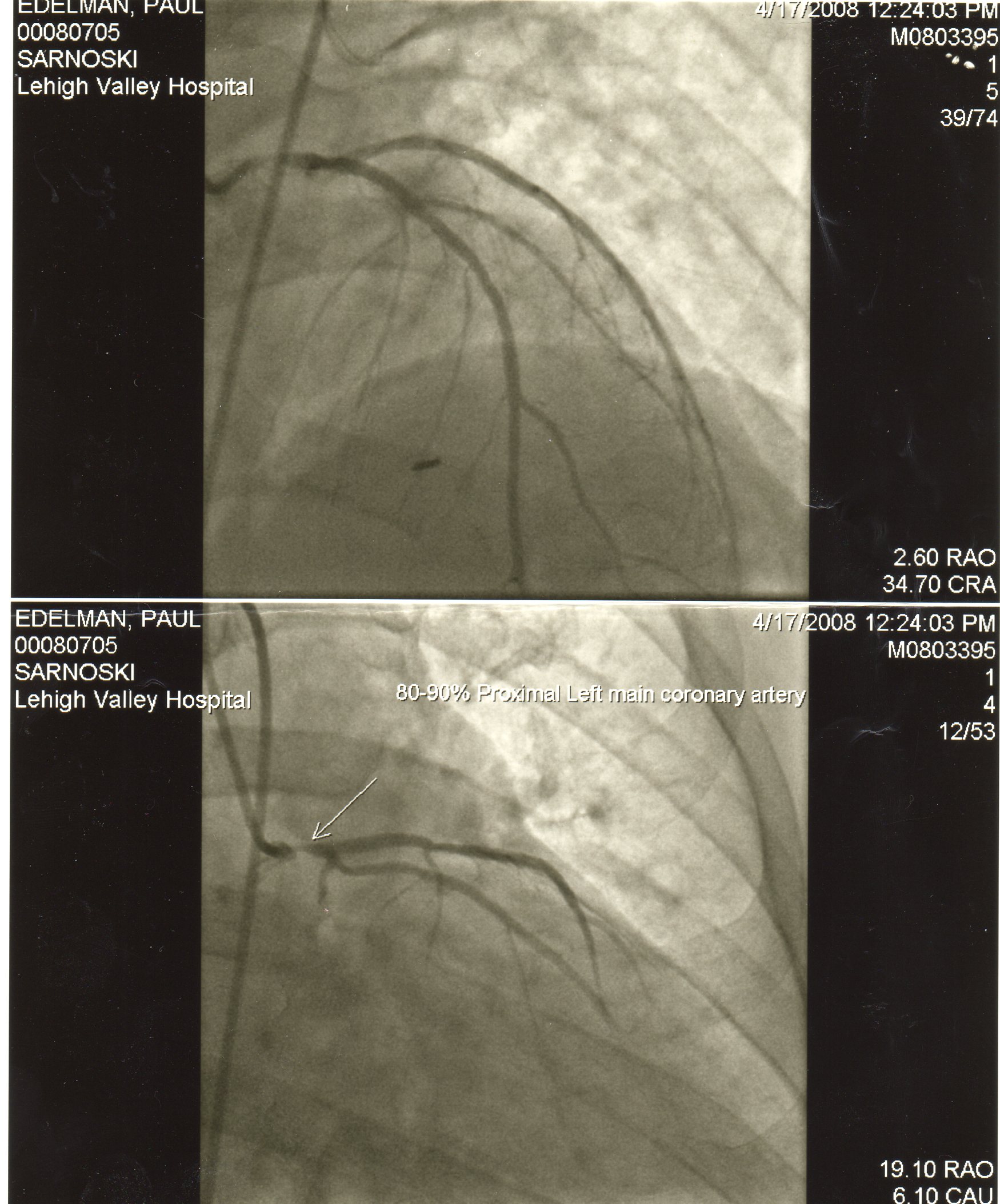
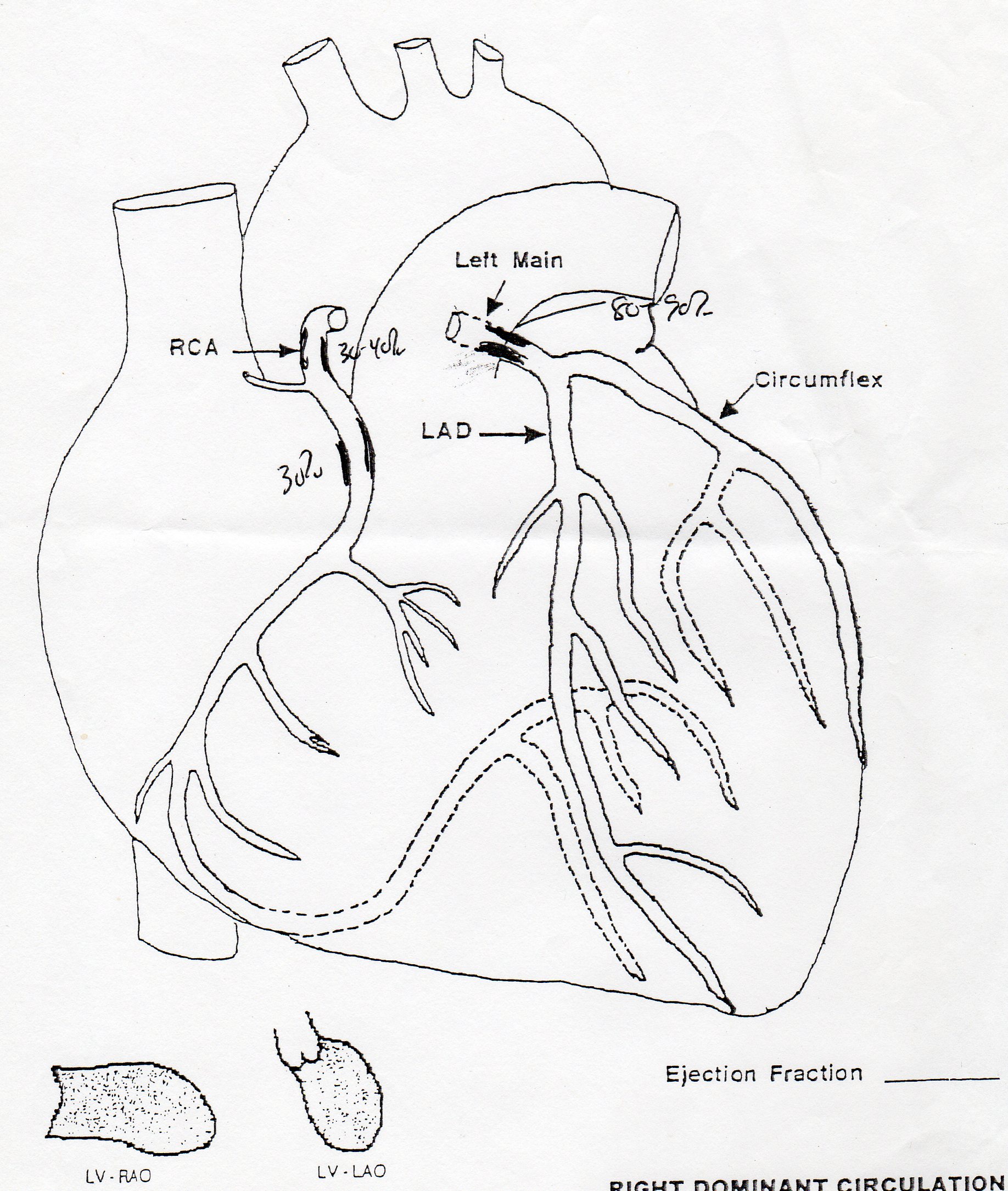
These are the actual pictures of my “death”.  The worst of three blockages was 80-90%.

I was diagnosed with a blockage of the left anterior descending artery, a.k.a. a “widowmaker.”  And they call it that for a reason.  Because of the extreme measures that need to be taken, you do not easily survive what will likely be a fatal heart attack.  And the fact that I had this “tightness” symptom for so long, which happened several times a day, and simply just ignored it, I know I was truly lucky.

On the morning of April 18, 2008, the nurse would come into my room around 3am, and roll me down to the chapel of the hospital.  It was a request that I had made before I was to be taken to surgery.  At 4am, an orderly came in to prep me, and at 5am I was taken to the operating room.

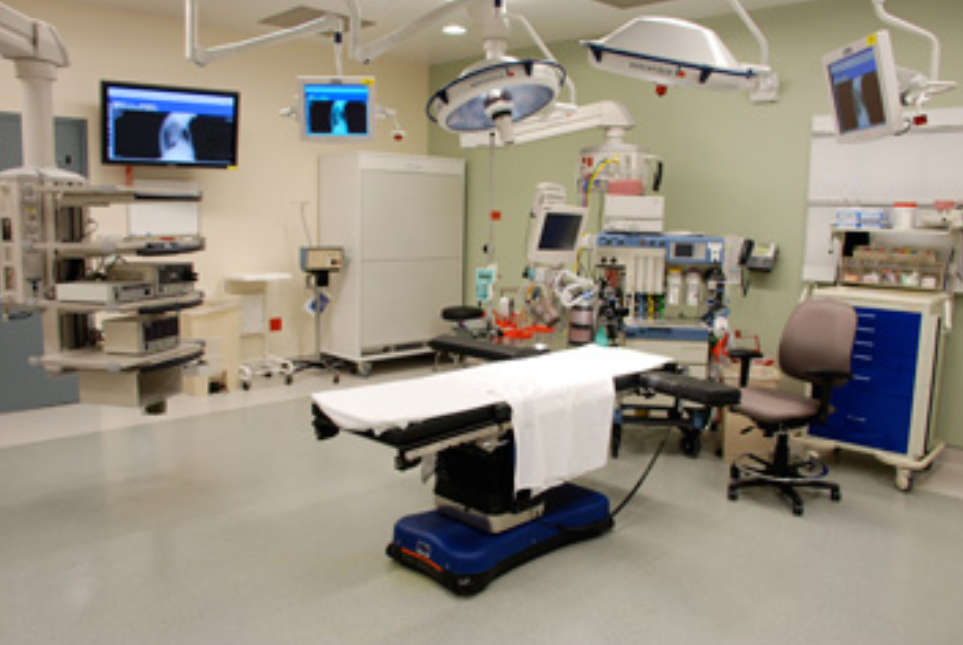
There I was, laying on the table, naked, covered only by a thin sheet, my arms straightened out away from my body.  Looking around, there were more than a dozen people in the room, tons of equipment, and a lot of tools and supplies.  It was surreal to think all of this was necessary to save my life.

“He is so young,” I heard one of the nurses say.  I was young, 42 years old, and by vitals and stats, there was no real understanding why I should be on that table.  But I was.  The anesthesiologist began talking to me, about what he was going to do.  I did not hear him, because all I could think about was the fact that I could die.  I had two young daughters at home that I never even got to hug and kiss one more time.  That was the last thing I remember.  I was out.

I woke up many hours later, in the ICU, alone.  I had two nurses monitoring and observing me, Jackie and Joe.  They did their best to keep me calm, scared from both the fear of the unknown of what had actually been done to me, and dealing with the pain of having my chest cracked open.  I was only able to communicate with them with hand gestures for either “okay” or waving a finger for “yes” or “no,” or even spelling words with my finger on my bed.

Over the next 5 days, I remained in the hospital, pushing my recovery while at the same time, dealing with an infection I had developed.  On the final day, I was released and went home.

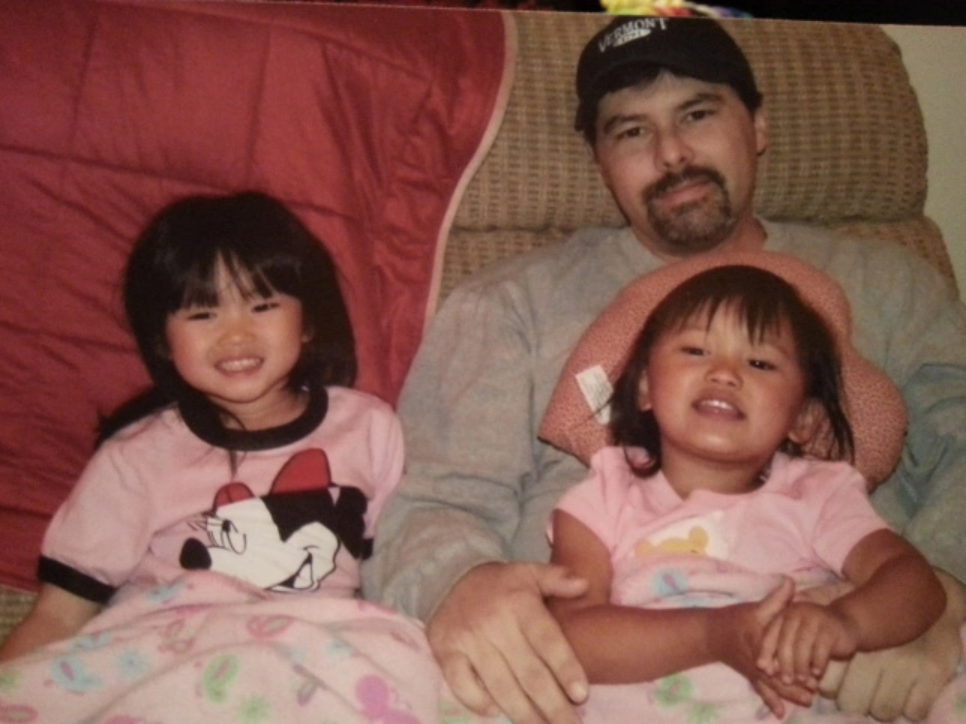
The heart pillow behind my daughter’s head was given to me as a tool to help me hold on to, to press against my chest in the event of a cough or sneeze.  But clearly my daughters were more than happy to be closest to the most important part of me, my heart, and laying on the pillow was the best, and safest way for me, for them to do it.

It was discovered that I had this condition as a result of late developing side effects from the treatments I went through for Hodgkin’s Lymphoma nearly 18 years earlier.  I was exposed to 4 times the lifetime maximum of ionized radiation in a 30 day period, treated with chemotherapy drugs known for their toxicity (mustragen – used by dictators Sadaam Hussein to kill his own citizens, adriamyacin – a.k.a. the “red devil”, destroys the heart muscle, and bleomyacin – known for doing severe damage to the lung).  Even the diagnostic procedure of having my spleen removed and tested, has left me immune-compromised – harder for me to fight and protect myself from nearly every illness.  There is more, but you get the hint, I traded one bad situation for another.

It was the radiation that created this particular situation.  Most of us who have been exposed to this amount, and have this condition, refer to radiation as “the gift that keeps on giving.”  There is a term in the industrial world, called “half life”.  Simply put, it is described as the length of time it takes for your body to get rid of the radiation exposure.  For instance, a dental xray, the radiation does not last very long.  But if you ask a radiologist the half life of 4000 rads of ionized radiation, and their facial expression will turn to one of shock.  This will stay with me, the rest of my life.  Look at it this way, imagine your skin after initial sun burning.  It continues to get red even after you are out of the sun.  Well, the same thing with the radiation exposure of my treatments.

But as serious as this all sounds, I am still here, 10 years later.  Although current circumstances have left me unable to follow up with my doctors due to the lack of health insurance, something I hope our government some day realizes the need for, and institutes medicare for all, I had been followed up by doctors as Memorial Sloan Kettering Cancer Center as a long term cancer survivor with more than a dozen diagnosis.

This had been my second (and not last) dance with death, though this one cut it real close.  I have two family members besides my daughters, along with many friends who encourage me every day.  They understand it is not so simple just to “get over it” and move on.  They understand my current lifestyle is not about being lazy.  They understand and appreciate that they have not had to go through what I, and many other cancer survivors have had to go through.

My doctor at MSKCC for years had told me this, “I cannot reverse these things that are happening to you.  They are progressive.  But I can slow them down.  My goal is that you get to see your daughters graduate high school, get married, be a grandfather.”  Those words of hope came with a stern warning.  I needed to change my lifestyle and stop being so hard on myself physically.  Living and working with the side effects I had developed at the pace and intensity, I was actually escalating the process.  In 2012 and 2013, I ended up in the emergency room 5 times, two of those critical, and one was an undiagnosable heart episode.  So, after four years of ignoring the advice of my doctors, and the compiling of other medical events, my body is now getting the opportunity it desperately needed, and for good reason.

Yes, I look healthy on the outside.  That is what I want you to see.  Most cannot handle hearing even 5% of what I deal with.  And then there are those who choose to ignore it completely, and even go to another extreme of claiming this is all a fabrication.  Shit, there are even those who were witness to my issues who claim they are “nothing really”.

Medicine is only now learning that cancer survivors live longer than 5 years.  And because of that, since long term studies were never really explored, they are dealing with patients like me, having just recognized my 28th year in remission.  I, and others, are actually teaching the doctors about our backgrounds and needs.  And that is because I have met other survivors, and we all share this information with each other because we know, this in many cases, is the only way we will survive.

When I was diagnosed, and I have my patient file, there are only two possible side effects listed, secondary cancer and pericarditis.  But as Maxwell Smart says, “missed it by that much.”  Every thing I deal with is anything but those two issues.  And if you look in the books, they state, only a slight chance of developing these issues.  I call bullshit.

Over twenty years ago, I organized two conferences with over 25 Hodgkin’s survivors.  This year, two of those survivors became the last two to end up dealing with late effects.  That’s right, 100%!  I hardly call that slight.  Those two by the way, were also “widowmaker” survivors.

So, for those that continue to offer support, hope, and encouragement, thank you so much.  Although I would prefer not to have to deal with all these maladies, all I know is how to fight, no matter the circumstance.  I will not give up.  But I cannot just “get over it.”  That would be the worst thing I could do.  That denial almost cost me my life 10 years ago.

And to those who feel the need to judge what I can or cannot do, what I should or should not do?  Really, are you jealous of survivors like me with these issues?  Or just plain ignorant?  I am guessing, both.  Make no mistake, I did not ask for this turn in my life, and that is not to be mistaken for my gratitude of surviving cancer.  But it also does not mean that I deserve what I am dealing with because I made the decision for the cure.

One thing is certain.  I have another huge milestone coming up in less than two years… 30 years cancer free.  Those who are over 40 years old, do you remember what it was like to hear about someone diagnosed with cancer?  They died, or at least, that is all we were ever told.  Today, there are over 12 million survivors, and yes, many of us deal with late effects.  But one thing is certain, we all fight to live.

(the full story of my heart surgery can be found on the page “CABG – Not Just A Green Leafy Vegetable)

Post Navigation