Paul's Heart

Life As A Dad, And A Survivor

Archive for the category “Side Effects”

Finally, Someone Is Stepping Up For Us


I consider my life split in half in that my life went through a major change when I was diagnosed with Hodgkin’s Lymphoma back in 1988 at the age of 22.  Prior to my diagnosis, though I felt I was a considerate, well-mannered, nice guy, for the most part, I kept to myself, not necessarily go out of my way to help others unless I was approached.  This type of behavior is common amongst young people.

But the very first thing that I wanted to do, following the completion of my treatments, was to help others take on their cancers, to deal with the many emotions they would face, to help them locate help with the many issues that I had experienced alone, knowing that my help could make a difference in dealing with the stress associated with diagnosis, treatments, and of course, life after cancer.  I wanted to become an advocate for cancer patients.

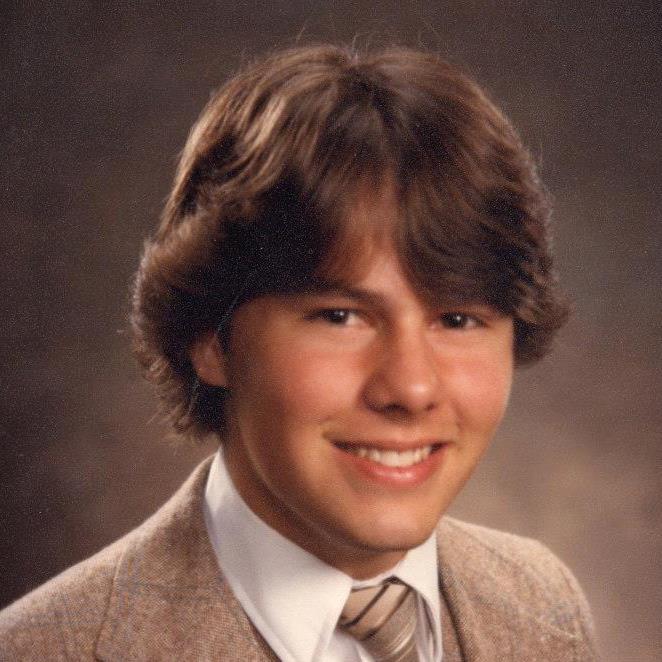
Going through the cancer journey back in 1988, I did not have the internet.  There was no treatment suite with televisions, dozens of other patients, food being served, entertainment, therapy animals, etc.  There was no “bell” that I got to ring when treatment was done to celebrate.  Though I tried to find others like me, it was an impossible task.  And for those who are young enough to never know what life was like before the “selfie,” there are no pictures of me prior to treatment, during treatment, post treatment.  I have nothing to document what I experienced other than the medical records I now possess, for reasons I am about to get into.

Approximately eight years after my remission, and now fully involved in a cancer counseling program called “Cansurmount” through the American Cancer Society as a volunteer peer counselor for cancer patients, I discovered the internet.  I located a listserve of people who had only had Hodgkin’s Lymphoma (we called it disease originally, but it was unofficially changed because “disease” was felt to contribute to the stigma of having cancer as being bad).  From there, I was contacted by Linda Zame, a long term cancer survivor.  She had invited me to join her listserve, survivors not just of Hodgkin’s, but all cancers.  I did not really feel I fit in, because I did not recognize myself as a survivor, only being less than ten years post remission.  Again, she strongly encouraged me to join this list, and I did.

I was overwhelmed with what happened next.  Story after story from cancer survivors, not about the wonders of life after cancer, but dealing with horrific side effects from their treatments.  I immediately removed myself from this list, and explained to Linda, this was not a list I belonged to.  I was fine.  I was eight years out, and other than fertility issues and some permanent hair loss, I did not “fit in” on this list.  I did not have these kinds of issues.  Linda tried to convince me otherwise.  I would join and unjoin several times over the next few years just to see if things had changed.  But then in 2008, something did change, in a big way.

20131109_200245

I will not go into the full story here, you can read it on the page “CABG – More Than A Green Leafy Vegetable.”  I needed to have emergency heart surgery, caused by treatments from my cancer.  All of a sudden, I was like those 400 people on that listserve that I did not think I belonged.  Though I did not pay attention to her, Linda was trying to convince me, that although things might have been okay at that point, I needed to have the knowledge of what I had the potential to deal with.  Doctors and medicine did not have it.  It was a “few” patients that were advocating for everyone else with a new concept, caring for those who were given such barbaric treatments, that somehow lived past the magical “5 Year” mark.  Medicine never bothered to study the long term effects of treatments because we were not supposed to live that long, especially after 5 years.  But the truth is, there are over 12 million cancer survivors, and only a few hundred of us seemed aware of this problem.

Because of awareness, and that internet support group, I located one of the few clinics that handled patients with my particular issues, Memorial Sloan Kettering Cancer Center.  At that point, all of the issues that had developed in my body over the years since my treatments had been diagnosed, more than a dozen of them in fact.  I finally had answers why my body and mind, felt the way it did, when on the outside, I looked completely fine.  While my issues cannot be reversed or undone, my life now is about management, managing the pain, managing the symptoms, preventing the increased risk of injury or illness.

But now my decision to advocate changed to include not only cancer patients, but also cancer survivors.  As I got more involved, I would find myself getting frustrated with “fundraisers” claiming to help cancer patients.  And there was nothing to help survivors.  The only way someone was actually going to make a difference, was to personally make the difference.  Sure, there are major charities that raise tons of money, and will highlight a few success stories to show their organization’s value, but in my experience, when I needed the help, several times, they were NEVER there for me.  And I felt that there were too many in my shoes that needed help.  So yes, I do believe one person can make a difference.

I ramped up my internet involvement to include patients and survivors to do what I do best, get information out.  I wanted to help people find facilities that handled our unique cases, give people information on financial resources, to tell them that they were not alone.

Of course, one of the biggest resources for me was Facebook.  I now belong to more than 2 dozen pages/groups, and combined with “Paul’s Heart”, I am trying to get the message out about survivorship and the needs that we face.

I can no longer do the things at the level that I once used to.  There have been major changes in my life, and I have had to reduce my advocate activities.  But I am still involved on the internet.  Which brings me to my next point.

One of the groups that I belong to, has taken on a huge task, and I believe what I am witnessing will be a huge game changer, and yes, it will be because of social media, and advocates like me, trying to speak for those without a voice, guide people without a compass in the life of survivorship, to finally provide answers, to let them know that their issues are very real, and they are not alone.

I am not prepared to disclose this wonderful effort yet, because it is still in the planning stage.  But unlike other ideas that I have witnessed over the years, this project has a clear focus, and an initiative and drive like none I have ever seen before.  Even better, because of the attention it will get from Facebook, instead of reaching 400 on a listserve, the potential is to reach millions of other survivors who are made to feel like hypochondriacs because the shell of their bodies do not tell the same story as what is happening inside.  I am extremely excited for when this particular group is ready to go live.  To my knowledge, it will one of the only organizations to reach the millions and millions of cancer survivors.  Medicine is finally starting to catch up to us, but not quickly enough as new patients are being followed more closely because they know the long term risks associated with treatments.  But for the millions who are now lost, no longer followed up, have no idea what their bodies are going through.

Linda, thank you for convincing me I needed ACOR.  And to my friends creating this upcoming organization, thank you, and keep pushing, you have the momentum and the support.  I cannot wait to spread the word on this one.

My 26th National Cancer Survivor Day


1465124845556

Today, we honor and recognize cancer survivors.  It makes no difference what your definition of “survivorship” might be.  Some choose to include those even just diagnosed and I am more than fine with that.  Because anyone unfortunate enough to hear the words, “you have cancer,” has only one instinct, to fight and take this disease head on.  This is a “survivor” attitude, and that makes a newly diagnosed patient a survivor.

But for those who definitely want to shout out to those who have completed treatments, whether it be yesterday or sixty years ago, shout loud.  There are over 14,000,000 survivors of any number of cancers, and some of multiple diagnosis of cancer, or relapses.

As I muddled through my childhood, I had dreams.  But none of them included the following statement, “this is my 26th National Survivors Day.”

Cancer research, cancer care, and survivorship has come a long way since before my diagnosis, and after my diagnosis.  Even those not diagnosed by cancer have improved in their knowledge of cancer from the days when patients kept their diagnosis secret because of false stereotypes like cancer being “contagious.”

There are many of us who are mourning the loss of a loved one from cancer.  There is not doubt that there is still a long way to go to rid the world of cancer, but that is another post.  This post is about hope.  This post is proof that we are almost there.  This post is about  being happy for someone who has gone through so much.

Over my 26 years, I have met hundreds of other cancer patients and survivors, many of them personally.  And I am in awe regardless of their seniority from recently in remission, to even having met someone well into sixty years of remission.  Each and every person I meet, whether in person or on-line, is an inspiration to me.  You see, not only do survivors have their “cancer-related issues” to deal with, not just day to day living issues.

So please, if you know someone who has survived cancer, let them know that you are happy for them.

As always, do not forget those who have lost their lives to this disease or the complications of the disease.

1440700063544  Paul

Diagnosed with Hodgkin’s Lymphoma in 1988, treated with radiation and chemotherapy, in remission since 1990.

Understanding The Need For A Painkiller


fentanyl fentanyl1

Once again, the media and Monday-morning Medical Quarterbacks are proclaiming that Prince, a pop music icon, died an addict.  This is so offensive to me.  There are so many different circumstances that need to be considered, and they all have to be considered.  And when all is said and done, you will understand that Prince physiologically did die as a result of an opioid drug, but he most certainly was not an addict.

First, I am going to state my qualifications to make this argument.  Like millions of others, I am a long term cancer survivor dealing with all kinds of late effects from cancer treatments that were meant to cure us of our cancer, only leave our bodies a wreck decades later.  And only now, is medicine finally catching up to us, realizing that we lived beyond the 5 year magic mark, long enough to develop late side effects from both chemotherapy drugs and radiation therapies.  I have personally met hundreds of other survivors in my situation, left to deal with pain associated with these late effects that medicine does not seem to be able to help us manage or better yet, cure.

Complicate this fact, that like me, many people’s thresholds for pain are so extreme, from dealing with decades of unrelieved pain, find themselves dealing level 2 controlled substances for relief, and that often is the best that can be had, is relief, not cure from their pain.

Let us understand, if you have a headache, you take a Tylenol, or something else with acetominphen in it.  Some take an extreme dose, and often this will do the trick.  But even a proven pain killer has its risks, especially liver complications.  But normally, this mode of treatment does provide some relief to this acute pain.

But then look at the average worker who has to deal with chronic pain.  The person who cannot afford to take time off from work, even if injured.  When the body is injured, it needs at least to rest, if rest is not possible, then medical intervention.  Just as with antibiotics however, your body builds an immunity to drugs once you continue on them.  And unless you are able to not do the tasks that are aggravating that pain, the pain will only continue and get worse.  That of course, means stronger means.  But pain meds can only do so much.  Enter opioids, which clearly help to relax the mind, as they are not meant to cure the pain.  But by taking these opioids, an employee, or a rock star can continue to function, to earn their living.  This does not make that person an addict.  That person is just trying to survive, earn their living, all the while doctors are unable to cure the patient of the pain, and the patient is unable to remove themselves from an aggravating factor of their pain level.

Eddie Van Halen, Steven Tyler, Prince, all suffered from needing pain relief.  All these artists were committed to their craft.  And that came at a price, that in order to continue to be successful, they needed to do what was keeping their pain levels out of control.  And the only way to deal with that was to either stop what they were doing, not an option to them, or take pain killers.  Only when their lives are out of control, is their pain actually addressed, and they realize that they cannot continue putting the physical stress on their bodies.  But this does not make them an addict.

As I mentioned, I used to work in an environment that constantly increased pain for me, that I already had.  But I could not afford to take off from work, and there is no cure for the radiation damage done to my body.  The only way that I could get through a day was to begin taking stronger pain killers, and as the tolerance for those pain killers grew, my pain continued to escalate, because along with the relief of the pain, I was still exposing my body to the issues that were increasing the pain and aggravating the issues I was dealing with.  Within four years, I was using some of the top opioid pain killers, all the while continuing to work.  But I was definitely not an addict.  I was doing what I had to do.  But physically, the abuse on my body, working with pain and injury, numbed by the opioids, only continued to make things worse.

Which is why, my employer had assisted in me finally giving my body the break that my doctors had been begging me to do, and enter the disability process.  Removing myself from the physical demands that had been escalating my progressive issues, allowed me to finally deal with my pain without relying on opioid painkillers.

It makes no sense to me, that our society will not accept medical marijuana which would accomplish the same thing as an opioid pain killer without the addiction.  But without you having the personal experience dealing with extreme pain levels that many of us go through on a daily basis, with no opportunity for cure or relief, you have no right to judge.

But having gone through open heart surgery, having my breast bone cracked open, kidney stones, and a raging septic case of pneumonia causing unimaginable pain, opioid pain relief was all that got me through those incidents.

It is a shame that Prince, a musical genius, was not able to give himself the opportunity to try to heal from his pain.  He may have died from the medication, but it is not fair to call it an overdose, as overdose implies an intentional act.  Prince, I believe was only trying to continue the only thing that he knew how to do, perform and produce, and that meant no rest.  And the only way he could continue to do so, was with the help of prescription painkillers, but that did not make him an addict.

But if medicine and society really wants to put an end to events like the death of Prince, then medicine and society have to first, stop putting pressure on people to continue to work when they are legitimately hurt.  And medicine has to learn to do more than just medicate pain, it has to cure it.  And until medicine and our society develop empathy for those of us who deal with chronic pain, and most likely for the rest of our lives, I speak for everyone, you have no right to judge about how we live a quality life as best as we can.

Post Navigation