Paul's Heart

Life As A Dad, And A Survivor

Archive for the category “Side Effects”

Why You Need, And Should Want Therapy


So, maybe this post could have been called “You’re Too Young For This – Part 2.”  I had made comments about my experiences lacking in physical therapy, and during cardiac therapy.

When we experience any kind of trauma to our bodies, whether it be physical or emotional, we need to repair whatever damage has happened.  This is called rehabilitation, or therapy.  We should expect to either go through this rehab supervised, or at home.  No matter where it occurs, it needs to be done.

Besides the fact that therapies are often not suggested, there is sometimes a cost factor involved, especially if benefits do not provide or do not provide enough coverage.  But as a fellow long term Hodgkin’s survivor once told me, “do not let economics determine the care you need.”

For the purposes of this post, I am going to talk about cardiac rehab, or cardiac therapy.  Physical therapy and psycho therapy are just as important, but the points I will make using cardiac therapy, actually apply to all three types of therapy.

We can all agree that the heart is the “be all, end all” when it comes to our bodies.  If I oversimplify that all we need to do following any surgery involving the heart, is to just get some exercise, as simply as going for a daily walk it is easy to dismiss the necessity of cardiac therapy.

The question you have to ask yourself however, is how do you know your heart repair is healing properly, getting stronger as it should, and that there are no complications?  After all, were you aware that you had an issue with the heart before the surgery?  Or did someone else need to diagnose that?  For as important as the heart and cardiac system is to us, following a surgery to that system, we need to, and should want to rely on anyone, and anything we have access to, to makes sure our recovery is progressing as it is expected.

Three Things That Cardiac Therapy Accomplishes

The first, you have had physical trauma, whether through open heart surgery or even through catheterization.  Especially when it comes to a cardiac procedure, most patients will agree, you feel almost completely different, better of course, following the procedure.  But for many, depending on how long the patient has been sedentary, we can, and I did, end up very weak, as in lost probably 80-90% of my strength and endurance in less than a couple of days.

Of all the several times that I have had to rehab, more than a half a dozen, I am notorious for pushing myself, often further than I should.  No one wants to return back to what I was like before quicker, than me.  And  because of that, I am likely to not adjust back into a routine, but rather pick up, right where I left off.    And the only way that ends, is with me getting hurt.

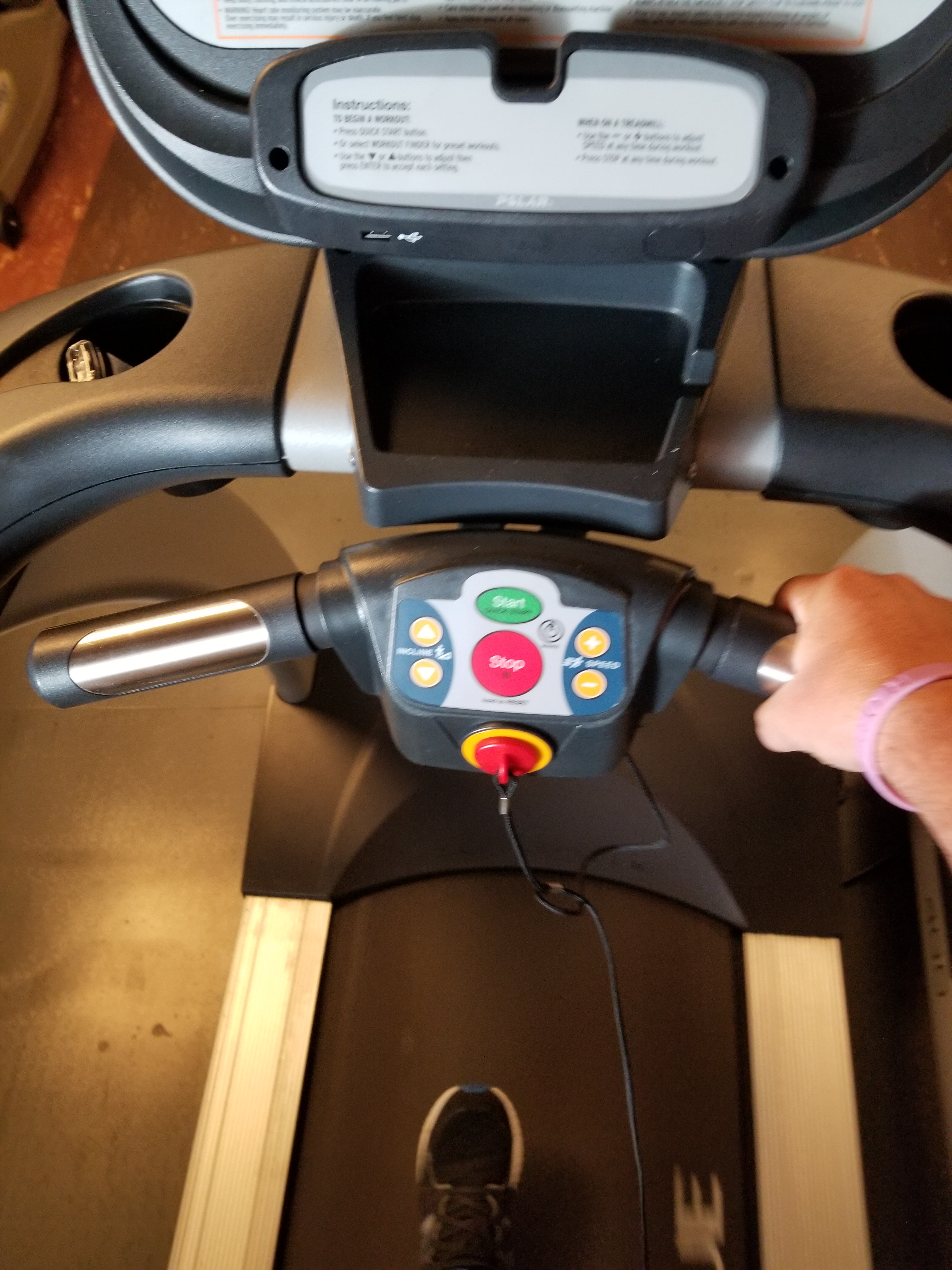
A cardiac program will have a therapist set up a program, designed with your goals, as well as how to get there safely.  The therapist will set up based on time of exercise, somewhere between 30 to 40 minutes, different exercises to be done, and what level of resistance or effort to complete each exercise.  That therapist will increase time, and effort as time goes on, and just as your goal was set, it will be reached, safely.  And when therapy is completed, you will have learned how to continue and build on that progress.

The second thing accomplished with a supervised cardiac rehab program, trained staff can actually see what you cannot, your heart.  Remember when I asked if you knew you had a heart issue or if someone had to tell you?  Cardiac therapy gives you a constant set of eyes as you exercise.
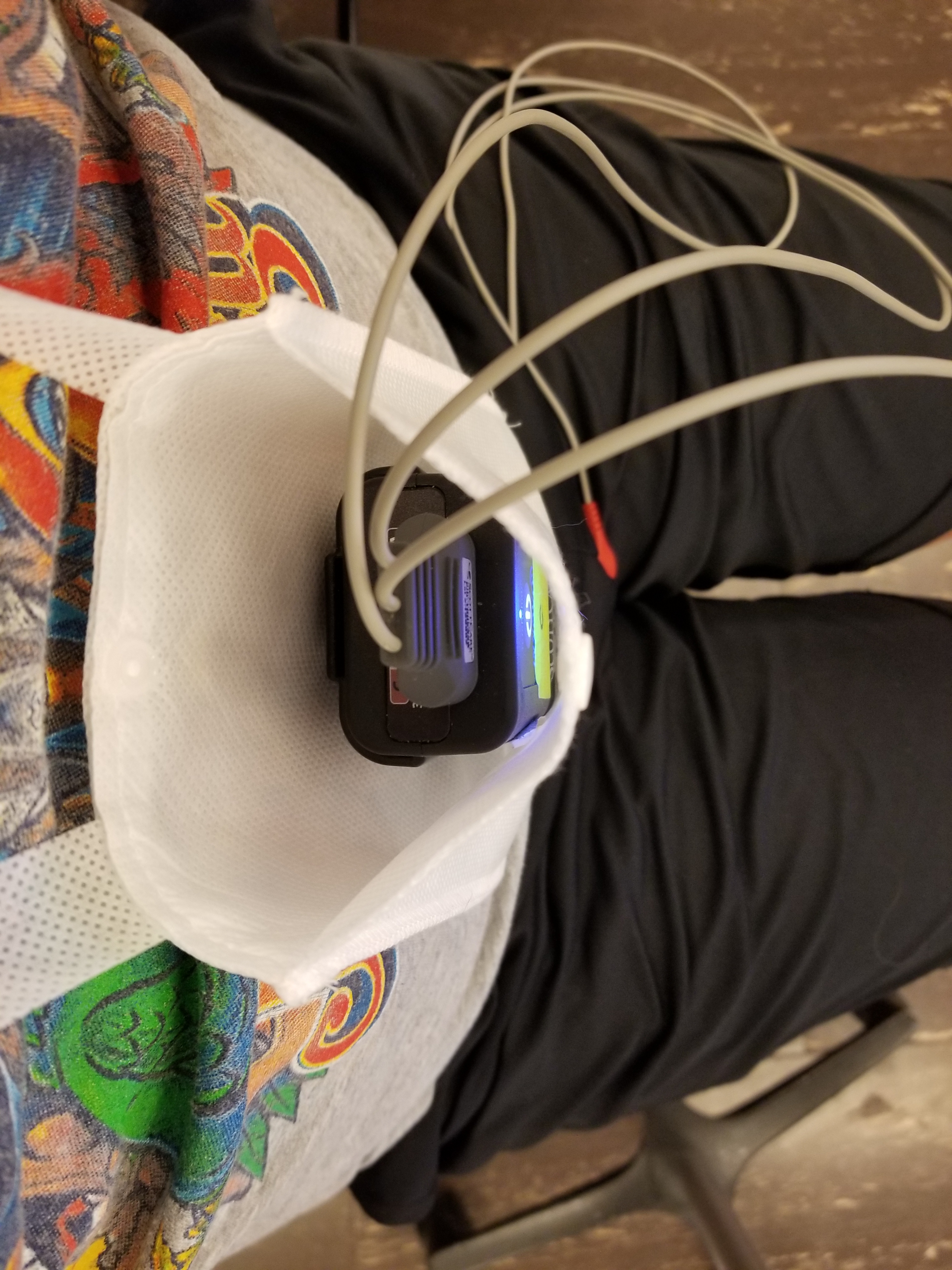
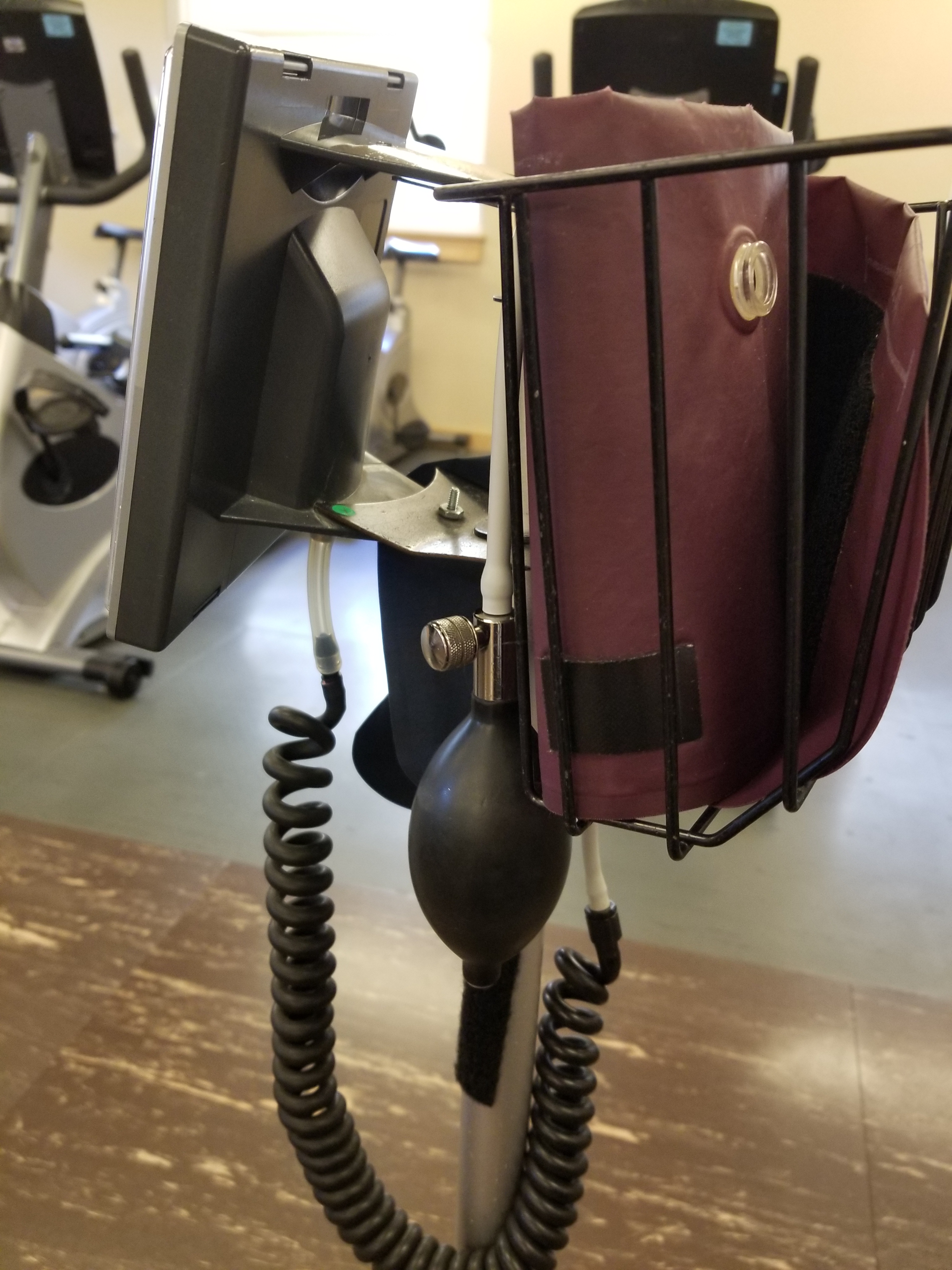
All cardiac patients are attached to their own monitor, usually with three leads.  One goes to each side of my chest, another to the left side of my rib cage.  My heart is watched the entire time that I am exercising in the event of any event involving my heart beat.  As I am not one to complain, this is a big deal, because they will see what I do not say, and if necessary, stop the exercise.  Whereas on my own, I would be likely to continue on, pushing my body harder than what it should, potentially ending up with a serious issue.

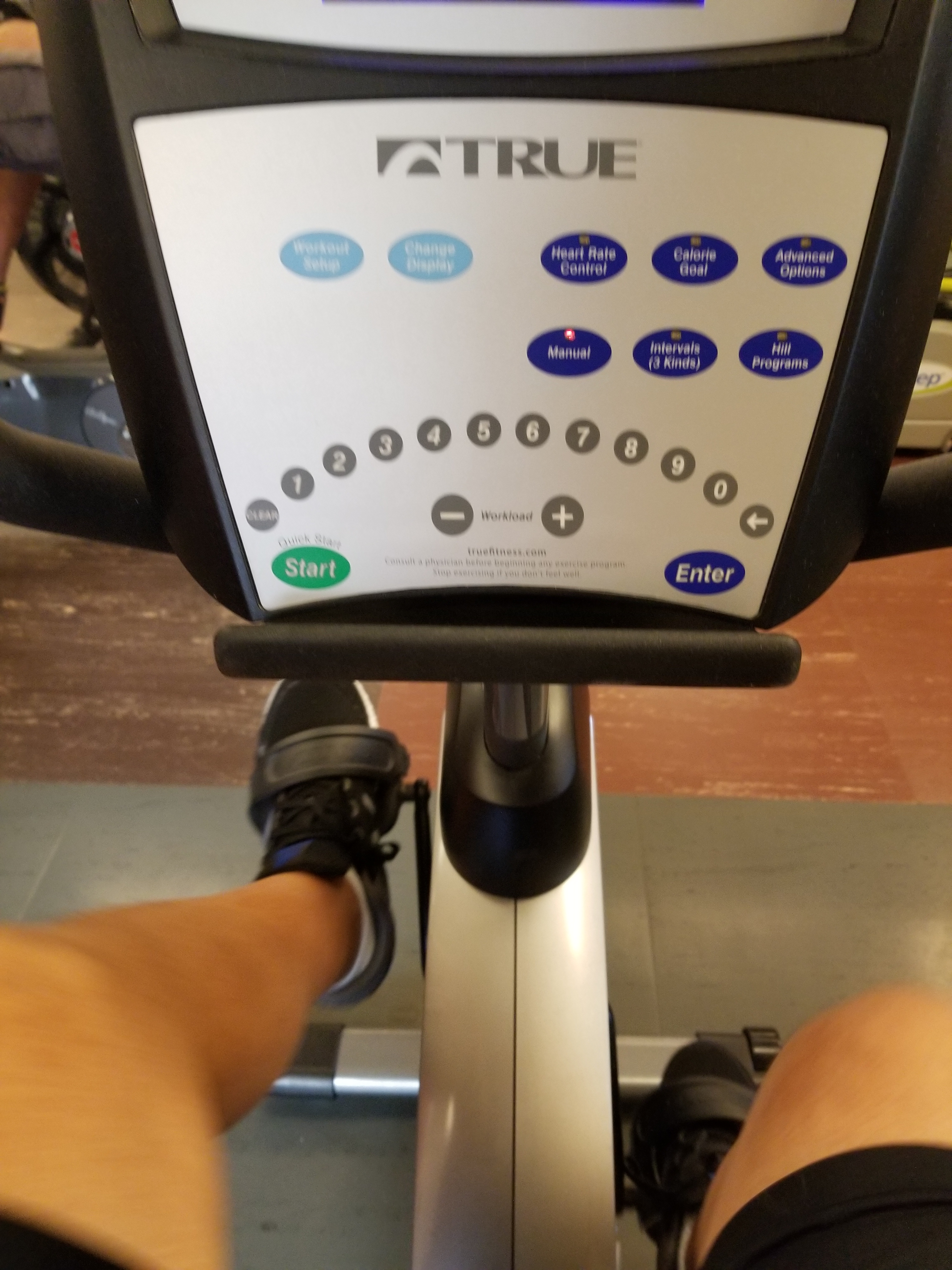
The other benefit of this therapy, as mentioned, the staff can see what my heart is doing, and can adjust the exercises to achieve goals, one of which is a working heartbeat (as opposed to at rest).  Work loads can be increased to get the heart beating stronger.

And one of the final things cardiac therapy does?  It helps to fight off the excuse, “I don’t have time to exercise.”

Cardiac therapy helps, it does not guarantee.  But, after two and a half months of going three days a week, for forty-five minutes each session, there is really no excuse to say you have no time.  That has been the schedule for two and a half months.  And it has been done with the same time and schedule.  Instead of looking at our newly returned forty-five minutes to our day, we need to keep that forty-five minutes committed to continuing on our own.  As many try to start an exercise program, too many give up just weeks into the program.  A cardiac therapy program helps you to establish a firm routine.

There you have it.  My explanation of why you not only need cardiac rehab, but should want it as well.  It is to your benefit and your family will thank you for it.

 

You Are Too Young For This


If I had a dollar for every time I heard this phrase… “Oh my God, you are too young for this…”

  1.  I was diagnosed with cancer at the age of 22 (Hodgkin’s Lymphoma).  Barely adult of age, the stereotypical age of cancer was at least well into adulthood.  But here is the fact.  Cancer does not discriminate.  Hodgkin’s Lymphoma is one of many cancers referred to as a “pediatric cancer.”  That’s right, a cancer that is known to strike children, as well as adults.  The truth is, there are many types of cancers that affect children not just as young as toddlers, but there are even reports of infants being born with tumors.
  2.   Following the staging laparotomy for my Hodgkin’s (to determine how bad it was), my spleen was removed, liver was biopsied, as well as other lymph nodes, I was told I would not need physical therapy to recover because of my youthful age.  I would bounce back with no problem.  Here is what happens with that kind of surgery.  Doctors make a huge incision in the abdomen to do all of this work.  That means they go through all those abdomen muscles  that on some are referred to as “six-pack abs.”  This area is often referred to as your personal “chi”, your structural strength responsible for good posture and such.  Not that I had any six-pack abs before, I definitely had not shot at them following the surgery, not because of the surgery, but there was no training to strengthen my abdomen muscles.  With the pain I was dealing with during the long healing process, it was never going to happen, especially without any physical therapy.                                                                .
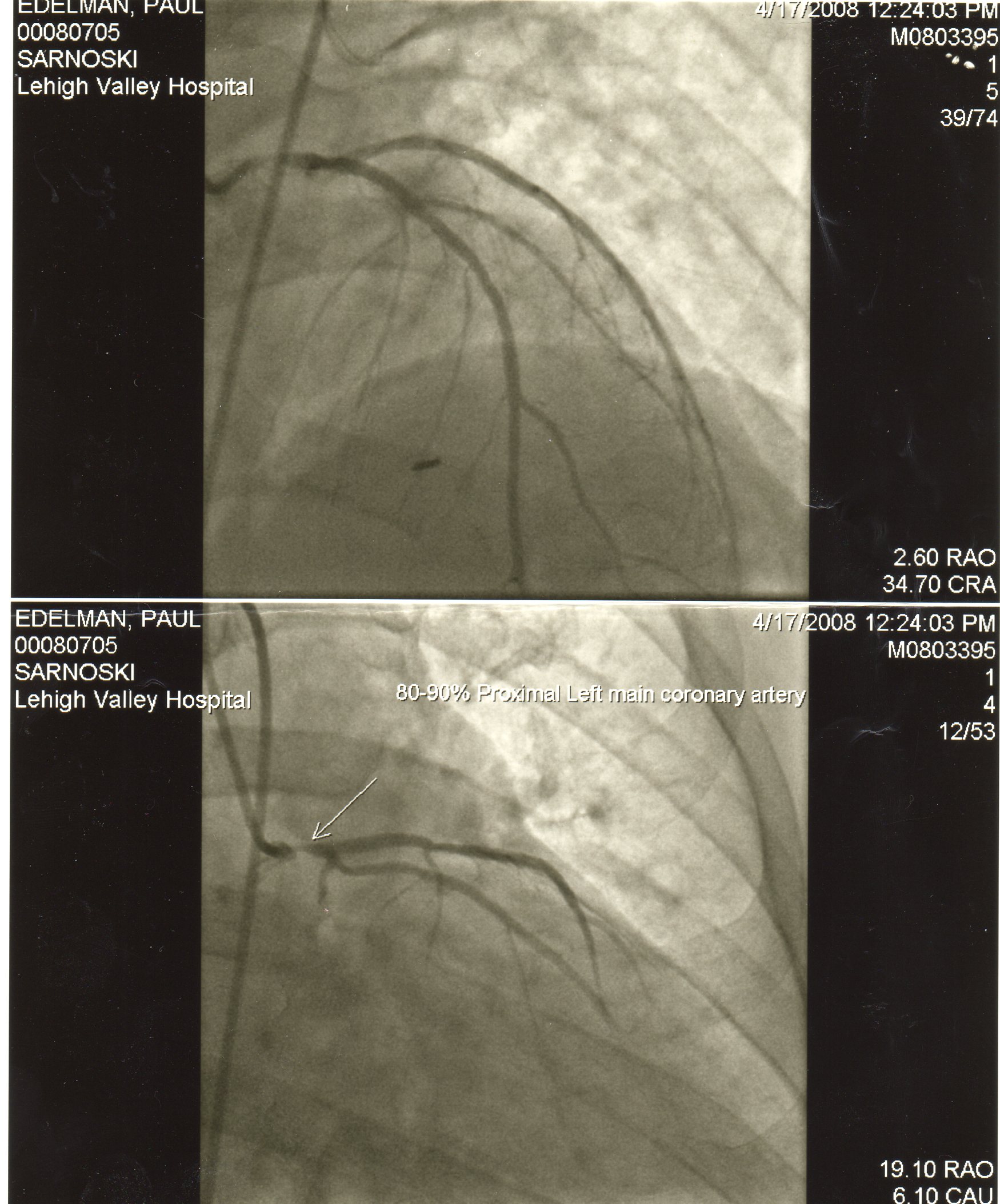
  3.   In April of 2008, as I am laying on an operating table, naked, covered only by a thin blanket, having all kinds of tubes and wires being connected to me, I heard one nurse quietly (though obviously not quietly enough) say, “Oh my God, he is too young for this.”  I had been diagnosed with a “widow maker” heart blockage which is clearly what they had been used to seeing in someone who was overweight, a heavy smoker, or even just older in age.  But I was treated with high dose radiation (four times the lifetime maximum exposure limit) and toxic chemotherapy medicines that caused this extreme damage to my cardiac system at the age of 42.
  4.   Once I had been cleared by the surgeon following that open heart surgery, I began cardiac rehabilitation.  Man, if the nurses thought I was too young to be on that table, the looks I got from other patients, much older than me, reminded me of a southbound train ride with “snowbirds” travelling to Florida in my early 30’s.  Clearly I did not belong there, or so they felt.
  5.   In 2013, my career took a very much unexpected turn.  A combination of circumstances between my health, and business restructuring, I would have to finally except the decision to pursue disability.  I had already been reluctantly labelled as “handicapped” (parking placard included), but as my employer up until this moment, had been accommodating the many physical health restrictions allowing me to still be able to perform certain work functions, while dealing with my health (should be noted, this is required of the Americans With Disabilities Act – something I have written in the past about), a mutual understanding was reached between the company and I, that upon an updated review by my doctors, and considering a staff reduction, there was a likelihood that I would no longer have any work to perform, and therefore they would assist me with applying for disability.  I thought accepting being referred to as handicapped was tough.  Being told as a 3rd generation blue collar worker, that I was no longer able to do my job, which I had performed decades even through all my health struggles, was the most difficult thing to accept.  One part of my life, no longer had any purpose.  The one thing standing in my way of the approval process, my age.  I was too young.  Granted, there are many on disability that are much younger than me, but nonetheless, it is an argument that is made for some, and was made in my case.  In a word process, it was determined that not only was I disabled, but only from the date that I turned 50 years of age.  There was no denial when my disability began, but they would only consider it effective at age 50.
  6.   Following a second surgery earlier this year, it was decided that I would need to undergo another round of cardiac rehab to help control my blood pressure.  I take several medicines to help do this, and for the most part, I have reduced most of my stress with one or two triggers remaining.  But, here I go again.  The average rehab class age is around 70 years of age.  And once again, I am getting the looks from those who wonder what I am doing there as I am too young by their judgement.                               

I have gotten used to hearing the “you are too young for this.  In fact, at this point, if I did have a dollar for every time I had been told I am too young for this and that, I would be able to enjoy the local pizza special for lunch today.

Yes, I know, neither of these are good for me.  But given what I have gone through, I do have some things I still enjoy, and honestly, this will not have an impact on what has been done to my body by science.  Plus, I am ending this post on a pleasant note, and tasty too.

They Just Don’t Get It


I am just so frustrated right now.  They just do not get it.

From the moment we are diagnosed with cancer, we not only want to get done with it, we want to be able to get over it, and get beyond it.  We look forward to the day that we hear about the magical “5 year mark”, that unofficially makes us “cured”, or at least in society’s eyes, less likely to hold our cancer experience against us… A.K.A DISCRIMINATION!!!

Many years ago, it was discovered, that many cancer survivors, particularly with Hodgkin’s Lymphoma, because of the extreme levels of radiation, and the highly toxic chemotherapies used up to the turn of the century, were developing issues because of the treatments that saved their lives.  In the late 1990’s, protocols soon became established to begin following up cancer patients “for life”, not just for the possible return of their cancer, but to make sure any late developing side effects that would develop, would be managed at an earlier stage, than allowed to proceed to the level of a “widowmaker” like I experienced, or worse.

Here we are, two decades into the new millenium, so much more experience and knowledge, and yes, many doctors and caregivers now recognizing the need for follow up care for life, and still, I am seeing posts like this:

“I’ve been told that I no longer need to do my yearly check ups, as a matter of fact, the doctor says I don’t need check ups for my HL at all anymore. ”

While I am extremely happy for this young nearly 20 year survivor of Hodgkin’s Lymphoma, I am dumbfounded, as she explains that she does have some late effect issues, her doctor does not seem to be concerned, presenting her with the opinion that he is washing his hands of her, convincing her of his obvious release of any problems.

She had been treated during a transitional time when radiation therapy amounts were being reduced and more targeted, and the toxic cocktail of chemotherapy had also been modified, but still contained two of the most brutal ingredients in that treatment regimen.  One of those drugs that was personally responsible for the demise for the death of a 24 year old friend of mine five years ago, surviving his Hodgkin’s, only to die from the noted rare effect of the drug, simply because the doctor did not follow the follow-up protocol that was available.

http://www.survivorshipguidelines.org/

THE INFORMATION IS RIGHT HERE!!!  WHAT THE HELL IS IT GOING TO TAKE FOR MEDICINE TO WAKE UP AND REALIZED THEY NEED TO DO MORE THAN JUST CURE US OF ONE DISEASE TO LET US DIE OF SOMETHING ELSE?!?

I am just a normal human being, no doctorate degree in medicine.  But I did my research.  I share the information just like the hundreds of other long term survivors I know of, that tell of the many issues we face, and yes, why we face them.  Together, we all try to inform and educate doctors and nurses, for many, our primary care givers who were never taught the issues we have to deal with, yet rely on them for the diagnosis and treatments.

The Children’s Oncology Group website is the most accurate guideline for treatment and follow-ups for many cancers and their treatments.  It has been created by the experts.  It is about time that doctors understand, we do not have a choice once we have had cancer.  We may be done with the immediate, but it is the future that we need to manage.

I am quite happy for the young woman who shared her post, and have encouraged her to refer to the above website, and to immediately seek out a survivorship clinic, which clearly is more equipped to deal with issues she already has, rather than just be released.

Post Navigation