Paul's Heart

Life As A Dad, And A Survivor

Archive for the category “Cancer”

Happy TAVR-sary?


If you have followed “Paul’s Heart” for at least a year, you know that I mark various health anniversaries and milestones, beyond my cancer survivorship of 32 years from Hodgkin’s Lymphoma. Today marks a new anniversary, an amazing procedure, replacement of my aortic valve.

This is a picture of the replica of my actual valve replacement, actual size, in the palm of my hand. Now for the cool part of this post. If you are wondering how they put this large device inside my heart, as I did once I received this replica, here is a short, and very cool video, showing how the procedure is done.

@ghostmedical

Aortic Stenosis is a type of heart disease where the valve becomes narrowed and doesn’t open properly. #medicalanimation #awareness #heartdisease #interestingfacts

♬ Somebody That I Used To Know (feat. Kimbra) – Gotye – fiona

Pretty cool, right? What is even more cool, is that just a few years ago, I would never have been eligible for this surgery, because of the late effects I live with from my cancer treatments. You see, the radiation damage that caused so much extensive damage to my heart, this is my 3rd heart surgery, is also, what made this type of surgery, nearly impossible years ago, from “scarring” caused by radiation damage. But because of progress and technology, I was able to avoid having my chest opened again, and have the procedure go through my leg, into my heart as the above video demonstrates. The obvious advantage, much faster recovery time, I was doing stairs in two days as opposed to building up a tolerance to walk even at eight weeks.

I knew this day was coming. However, when I arrived back home from a visit with my daughters, there was an envelop in my mail, which I recognized the sender as the manufacturer of my valve.

I was initially jarred by the surprise mail. Other than receiving the package with my valve replica, I have only received emails with surveys and topics related to good heart health. Over the years, I have also learned to recognize signs, such as when you are the first patient to arrive, yet the last to leave, you know a doctor wants to see you, and that will likely not be a good thing. In this case, if it was going to be bad news, I know it was not going to be about my heart, as testing recently showed my valve was working as it was supposed to. If it was going to be bad news, it would have to be some sort of recall, which would mean yet another surgery.

But there was also one other possibility. Have you ever gotten a “birthday card” from either a dentist, auto insurer, which of course came with a reminder of a soon due premium or appointment? I allowed my mind to take a slight detour from the usual “oh here we go again” path, and recognizing the upcoming date, could it be possible…?

The manufacturer of the valve, sent me an “anniversary” card. They referred to it as a TAVR-sary, TAVR standing for Transcatheter Aortic Valve Replacement. Transcatheter, meaning, it would either go through the arm or the leg, to the heart, no open heart surgery.

It is hard to believe that it has been one year already, fourteen years from my first heart surgery, open heart for an emergency double bypass, and three years from my second heart surgery. It is also hard to believe, that this needed to be done during one of the most difficult times for hospitals, in the middle of a pandemic.

But unlike my open heart surgery, I was walking long distances the next day, and no discomfort from the surgery.

One question that I always get when it comes to all of the procedures I have faced since my days with Hodgkin’s Lymphoma. “If they knew all of these things were wrong, especially back then, why didn’t they fix them all while they were in there?” This is a perfectly reasonable question, and one that I could not grasp the answer until this procedure. The position had always been:

  • “we need to wait until the risk of a heart attack outweighs the risk of the surgery”
  • “we need to wait until the risk of a stroke outweighs the risk of a stroke during surgery”

You get the idea. My body is treated like it is a ticking time bomb. But here is the reason why, I have to live my life on the edge, waiting for another shoe to drop in an event, much like the Sword of Damocles.” All of the repairs that have been done thus far, are not permanent. My bypass, the stent with my heart, the stent with my carotid, and now the valve, all have potential expiration dates. And if those times come, I will have a very difficult decision to make, because going through them again, will be even more risky than the first time. On top of that, I still have two other issues with my heart, considered stable at this point that could require attention in the future.

I have never been able to get a firm answer on how long my bypass should last, but I have been able to estimate approximately fifteen years on average. The good news so far, as I approach my fifteenth anniversary in April, the stats are still encouraging that I have a few more years to not worry. Stents are usually patent ten to fifteen years. The type of heart valve I received, should last between seven to ten years (a mechanical valve, is thought to last a lifetime, but there are several factors that led me not to consider that option, mainly having to be done by open heart, and a lifetime of maintenance of heavy blood thinners and other potential complications).

While doctors were aware that I had these other heart problems when my bypass was done, at the age of 42, had those things been corrected back then, while they had me opened, it is very likely, at least the stent and the valve would have needed to be replaced again by now. So I get it why they made that decision years ago.
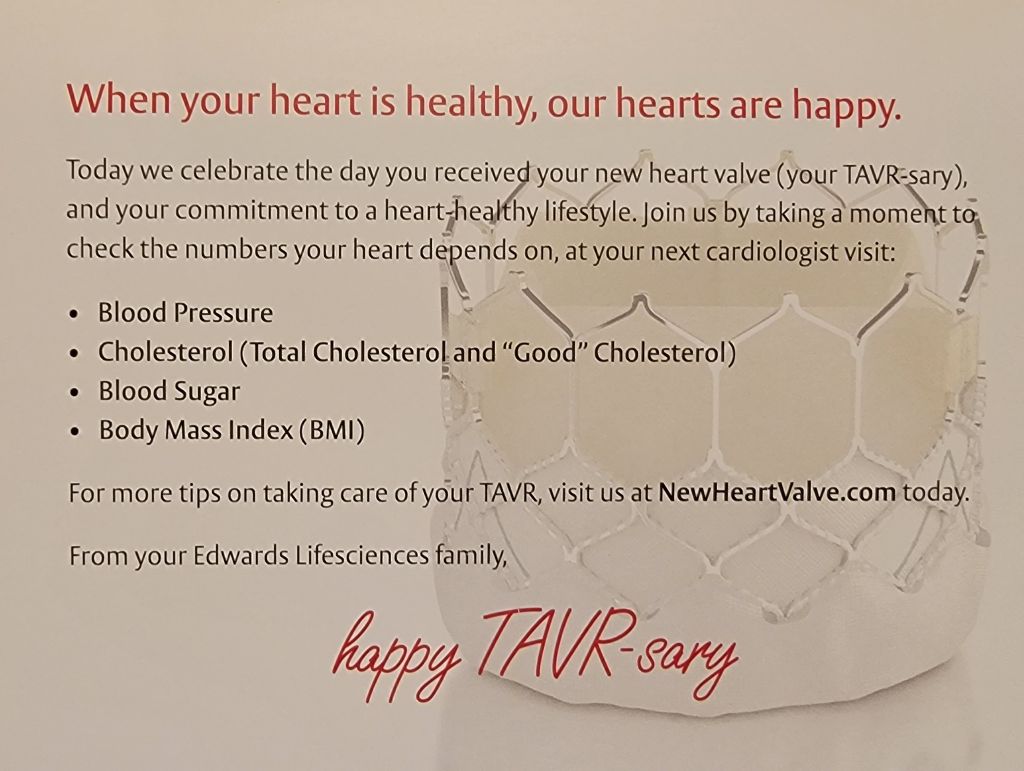
So until that time comes, that either additional procedures need to be done, or re-done, the company that made my artificial valve, had a message inside of my anniversary card, how to take care of my heart, suggestions that actually can apply to anyone, regardless if you have had heart surgery or not.

It is not easy being a long term cancer survivor. But I have had, and continue to have, a great life.
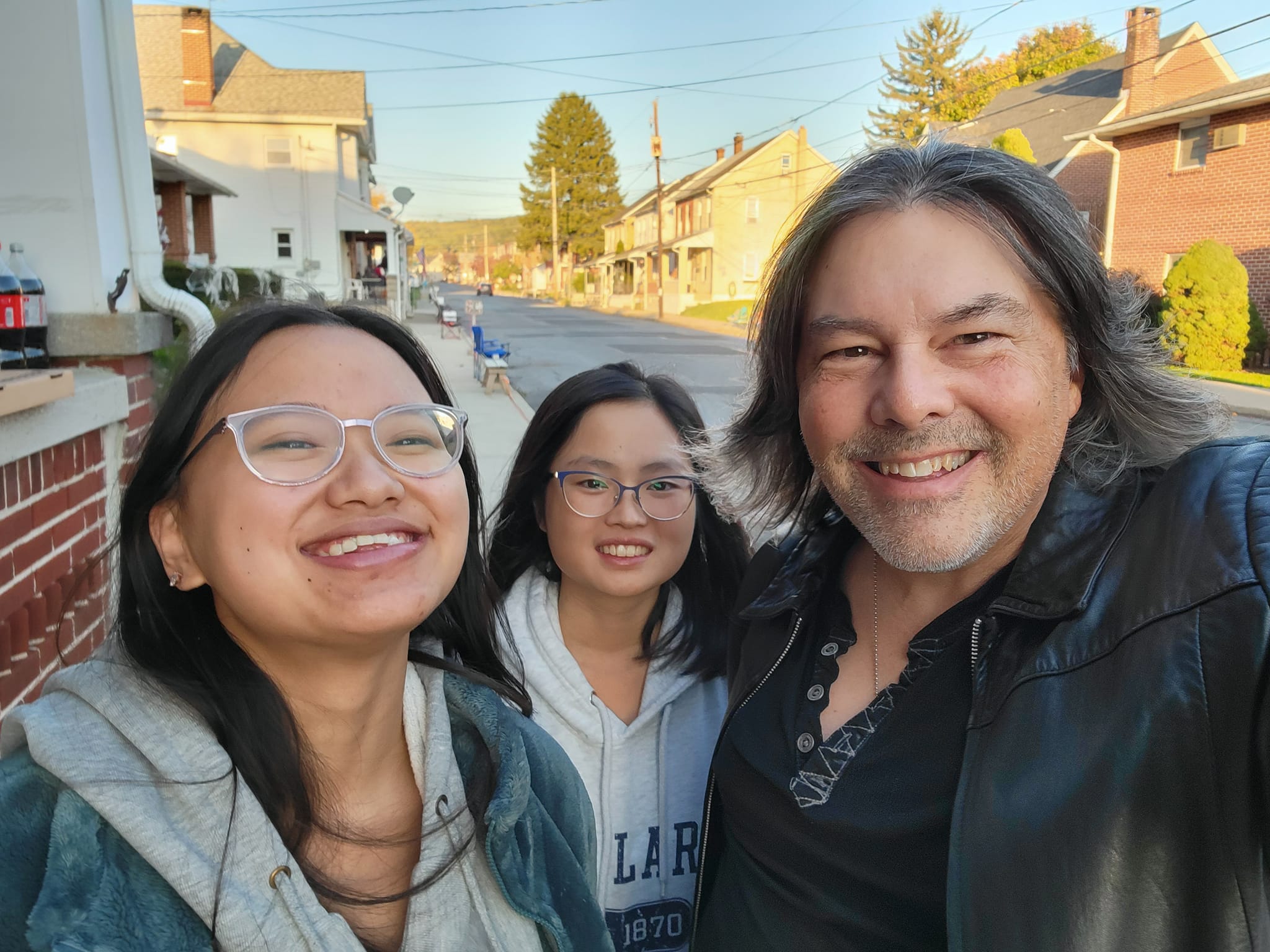
I have had fourteen more years with my daughters than I quite possibly might not have had. I have gotten to watch both grow into adults, and will get to see who they become and the lives they will have. And that in the end, is all that matters to me.

No Control


Great album, great singer, but has nothing to do with this post’s topic other than the title, “no control.” Continuing on with things related to my battle with Hodgkin’s Lymphoma in recognition of Lymphoma Recognition Month (known as Blood Cancer Month also), the issue of “control” was not something I had thought about, until after my treatments were done, but affected me the entire way through my battle.

From the moment you meet with an oncologist, and they begin to pursue a diagnosis of cancer, whether you realize it or not, you have begun to have control of your life taken away from you. You do not see it happening, because you are focused on getting through this, more importantly, surviving. Your intent is to do whatever it takes.

A soon-to-be diagnosed cancer patient quickly discovers doctor appointments to keep, scans and bloodwork to be done, and then of course a treatment schedule with routine lab work to follow, all on a tight time schedule to keep you on track for the best shot at remission. You have no control over this. I mean sure, you could refuse, but then, that would result in the obvious.

The time period for me from beginning to end was November of 1988 to March of 1990, seventeen months, two Winter seasons (that meant no skiing), one Summer season (no trips to the beach and water park), including a honeymoon as I got married during that time. A cancer patient soon learns, your treatment team does not work around the patient (even for a wedding), the patient works around the treatment team. There are also certain foods that have to be avoided. And then finally, your body itself, will dictate what you can do, when you can do it, for how long. The point is, you are no longer in control. As I said, being so wrapped up with what needed to be done, dealing with the current side effects of what was happening, I never really gave any thought about what I wanted, so control, or lack of control was the last thing on my mind.

My wedding, though still occurring on the date as planned, was still impacted by the timing of my treatment schedule. And as the second set of Winter months came around, as an avid skier, I missed the prior season because of all of the testing and staging I was going through, I had no intention of missing the next season. Here is how that went.

“So doc, I was looking to hit the slopes in a couple of weeks in between my cycles of treatment. If I feel up to it, do you think I could handle it?” I was twenty-three years old, asking another adult, not even a parent, if I could do something I had done for many years.

He answered, “well Paul, I guess you could. But I would think about it, because, well, you will obviously be dressed warmly because of the cold.” I said, “of course.” He continued, “you probably sweat a lot from all of the physical exertion.” I chuckled, “yeah.” Where was he going with this? I was just asking if my body could physically handle skiing. “What would happen if you would catch cold or something because of that, or catch something from other skiers? If that impacted your blood counts, then your treatment could be delayed, and you are near the end as it is. Do you really want to delay it any further?”

There it was. I had my “final” treatment date on my calendar from the date of my first injection. I was going to have many more years of skiing, but I wanted to get my treatments over and done with. The funny thing is, during the entire time, I never realized how much control cancer had over my life, until…

Two weeks after my final injection, when I would have been preparing for my next cycle, had there been one, I just sat there. I had nothing to do now. I was free to get back to life. And I felt confused. Because for so long, I had been following everyone else’s directions, meeting the orders of doctors. Imagine emerging from your home following a hurricane. You exit your home slowly, not knowing what to expect as far as damage and destruction. You see the bright sunshine, but you also see what has been left behind in the storm’s aftermath. I personally know this feeling as well having survived a direct hit by hurricane Irma five years ago. I would have follow up appointments to keep, and likely blood work and scans, but there was no longer a timetable to keep. I realized I was back in control.

I had not social media or internet back in 1988, or else I might just have learned others had been experiencing this same feeling of lack of control. I frequently see posts from patients asking about getting a tattoo during treatments, or dying hair, going on vacations, and of course, getting married and pregnancies. These patients now experience the same loss of control without realizing that is what is happening. Because as they post their “can I” situation, I am right there with the same advice my doctor gave me about skiing. “Sure, you could probably do it, but would it be worth it, if it resulted in delaying your treatments?” In the game of “highest card wins,” you only get one card. You live with the card you draw. Sometimes it is best not to draw any card. But that means you have to give up control. That is what cancer does.

3 – 2 – 1 Fire Engines


***I am going to stress, this is not a political post, and any comments including political commentary will not be published and/or deleted.

It was a concept, called the “moonshot initiative” back in 2016, that President Obama announced during his State Of The Union speech. The push was inspired by the passing of the son of then Vice President Biden, Major Beau Biden, who died from brain cancer. The goal, to eliminate cancer once and for all.

Growing up in school, as early as my kindergarten years, I remember all the fundraising to research cures for cancer. Fifty years later, though many cancers can be put into remission, still too many die. We have seen so much progress in so many other areas of society, yet the number two killer, cancer, continues to not be stopped.

As a 32 year survivor of Hodgkin’s Lymphoma, and as involved as I am with advocacy, I have no problem making the claim that we have just accepted that science has done enough, that survival rates of cancer are good enough, not everyone can be cured. Like bile stuck in the back of my throat, this thought makes me sick. But the fact is, over the recent decades, cancer research had actually been reduced, at least the funding for it. There is no reason, that the high remission rate for Hodgkin’s that existed in 1988, 85%, has not resulted in a 100% cure rate over thirty years later. I cannot speak for all cancers, but I am sure that the sentiments will be fairly similar.

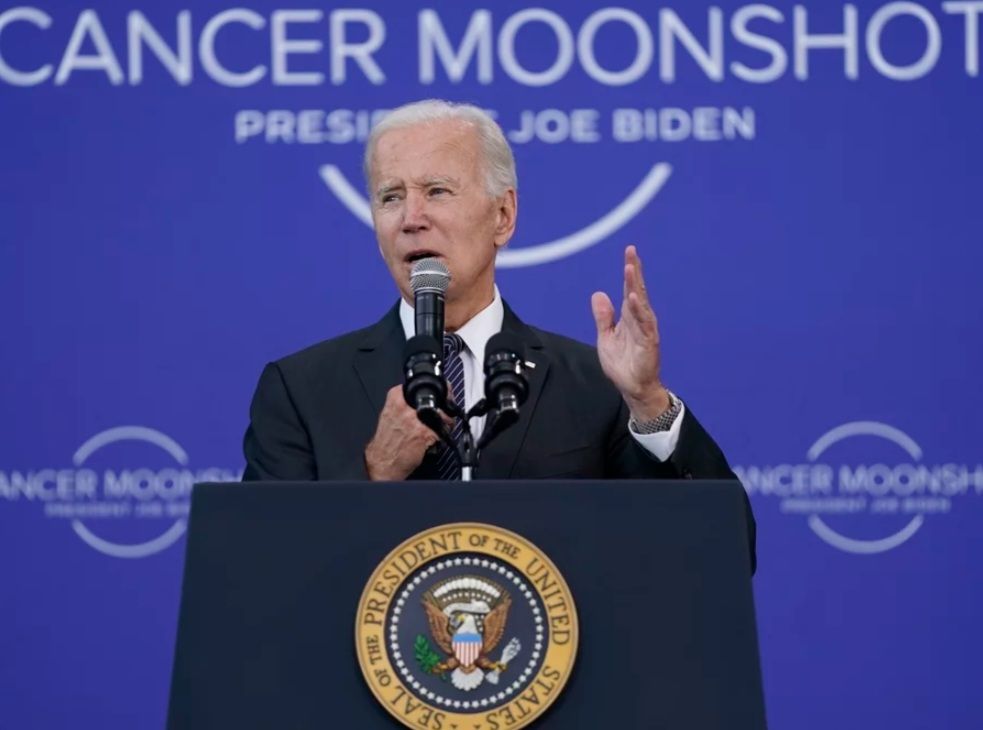
So when I heard that President Biden was announcing his “reignition” of the Cancer Moonshot initiative, he had my attention. Because of my personal involvement with the world of cancer, I am able to put my political gripes aside. I wanted to hear what he said. I wanted to hear the goals hoped for by boosting this program. As an advocate for cancer patients and survivors, I am all too aware of what we lack and need to support each other through cancer. We just are not able to do it on our own. Representatives that we have meeting with members of Congress have not really produces anything tangible up to this point. Remember, in recent decades, funding for cancer research had been reduced, not increased.

The first and probably main point President Biden made, was that he wanted the cancer death rate, which has been climbing dramatically in recent years, “cut in half within 25 years.” Some would ask, “why not eliminated? Why settle?” It is like going to a smorgasboard, loading up your plate, perhaps getting a second plate to fill along with the first. You get to try everything on your plate, but very likely you do not finish even one item completely. Cancer has been around for hundreds of years. And there has never really been a 100% commitment to eliminating cancer. To make the claim to stopping all deaths from cancer has not happened in fifty years, and is not likely to happen at least in my time, hopefully my daughters will see this day. So for now, I feel a 50% reduction in a rate that is constantly increasing, is a good approach. Realistic.

There is another major goal with this “cancer moonshot,” that affects nearly every cancer patient and survivor, improving the quality of care for both, and not just in therapeutics, but in the actual care itself, from the knowledge and skills of the doctors themselves, to the mental health of the patient and survivor, and an improvement to the overall quality of life during and after cancer. Probably the biggest obstacle or challenge for a cancer survivor, is getting medical care for late developing side effects from the treatments that put their cancer in remission because too many doctors just have not been taught this important chapter in their medical books. It is not good enough just to get us to remission. I know it sounds like I am being ungrateful. F* off if you actually believe that.

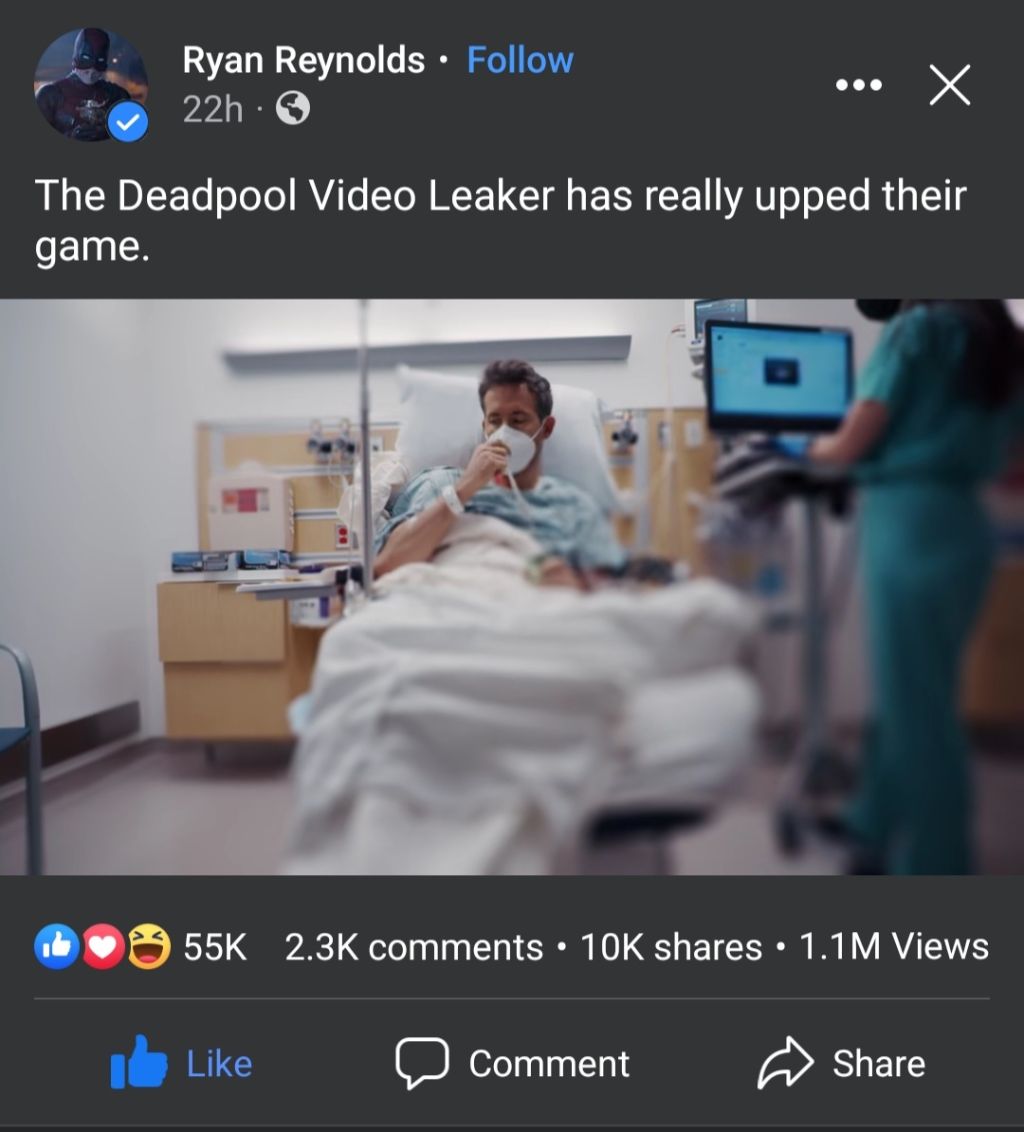
One way to lower cancer deaths is to prevent cancer, or at the least, detect it early. Let me tell you, it is a hell of a lot cheaper to do a preventative screening, than it is to run a full course of treatment of chemotherapy. THEN WHY IS IT NOT BEING DONE!?!? Actor and advocate Ryan Reynolds recently made headlines, just as late night talk show host Jimmy Kimmel years ago, by videoing their colonoscopies (well, at least the parts that could be shown, and honestly, the most important part was the “reveal”). You can hear the doctor explain what was found, polyps, and learn just what happens if a polyp does not get removed. And then you see the genuine gratitude of Reynolds, knowing that a possible cancer diagnosis, had just been avoided, by prevention. According to Roswell Park Cancer Center, 5-10% of polyps will turn cancerous, and depending on the size, increases the chances.

I myself, because of my cancer past, am already a risk for additional cancers, and undergo a colonoscopy every two years (most of you are only expected to go through one every ten years unless polyps are found). But guess what? Each colonoscopy, multiple polyps have been found, and while up there, removed before they had the chance to turn cancerous. Having been through cancer once before, and knowing the financial toll, prevention is definitely the better way to go.

The fact is, we have screenings for so many forms of cancer. But where is the big push to get them done. There is always reluctance to get a colonoscopy or prostate exam, pap smear, mammogram, and many more. For some, it is about stigma (like the stupid concept that getting a colonoscopy might make a person “gay” because of going up the rectum – not only is this ignorant, it is also stupid). For others, it is about fear, what if?

Another interesting factor, is the “age adjusted rate”, which is a fancy way of saying, people are surviving longer after they are treated for cancer. NO SHIT SHERLOCK! That means that research needs to be done on the issues faced by survivors from the late developing side effects from the radiation and chemotherapy exposures. Duh! Anyone following “Paul’s Heart” has heard about this issue many times. But it is not good enough to be able to treat these issues, too many, most survivors in fact, have no idea where to turn to. And if they are lucky enough to find someone, getting access to that care is another hurdle. One more issue to be dealt with, communication needs to be improved not just between doctor and patient/survivor, but between the doctors themselves when multiple practices are involved.

If you have paid attention, I have always spouted the success rates for Hodgkin’s. And several other cancers share those high numbers as well. Why are we not seeing 100% yet? Science knows what has worked for so many, why settle for “good enough?” On top of that, many treatments are so toxic and damaging, often times, permanently, worse, deadly. The “moonshot” hopes to continue to discover specifically targeted and new types of treatments from immunotherapies and mRNA therapies and such. Even some cancer now how vaccines. Why not more?

You can definitely count on more “awareness” when it comes to what individuals can do to help to prevent cancer from diet to exposure to such things as smoking and chemicals.

With the passage of the 21st Century Cares Act, an additional $1.8 billion was provided for new cancer research (per whitehouse.gov). THIS IS NOT NEARLY ENOUGH! Not when you consider all the cuts over the years prior. If we were truly treating this like a “moonshot” (I am too young to remember JFK’s speech), then all the stops should be pulled out.

One new creation, and I do believe a step in the right direction, is the creation of the Oncology Center Of Excellence, so that cancer-related decisions such as therapies and information can be streamlined, as opposed to getting bogged down in the red tape the FDA, CDC, and NIH. Another department has been formed with “moonshot” called ARPA-H, the Advanced Research Projects Agency For Health. I don’t want to sound bitter, but while this department definitely will be focused on speeding up research on prevention, detection and treatments for cancer, ARPA-H will benefit many other serious illnesses such as Alzheimer’s and such.

There is more that “Cancer Moonshot” is going to tackle. The issues of inequity, whether racial, religious, sexual, all play an added role in hampering those diagnosed with cancer whether it be economical, geographical, or just plain bigoted. Science needs to find out why certain treatments work for some and not for other, why some relapse and some do not, and why some people have later health issues during survivorship. As the whitehouse.gov site points out, the rapid discovery of treatments and vaccines for Covid19 prove our ability to get the same results for cancer.

President Biden also recognizes the tolls taken on patients and their families, financially and emotionally and wants better support as the patient moves on through survivorship.

One of the best resources to help get this done, you are reading it right now. Well, I am just one of thousands, who are willing to share with science, and our government leaders, our experiences, our concerns, and our needs. Who better to inform or teach our government and research, than actual patients and survivors?

There are a few more details, more organizing, more departments joining together. I just hope that this is finally the push to make it happen. Politics aside, there is absolutely no excuse for one of the most advanced countries in the world, not to be further than where we are today.

So, “ground control to Major Tom, commence countdown. Engines on.”

Post Navigation