
Takes A Licking

A few stories came across my feed this morning from pages that I support in regard to heart surgery survivors. Though it has been over fifteen years since my emergency open heart surgery to perform a double bypass, I recall every detail as it if happened only yesterday (much to the dismay of those in my life frustrated by my inability to remember five minutes ago).
The first deals with aftercare, as in one of the first things upon discharge, or just before discharge. There is a huge scar in the middle of the chest now, protected by a bandage or sometimes called a dressing. Under normal conditions, when a patient returns home, there is most likely going to be a visiting nurse for the first week, just to make sure the incision is healing properly, and vitals (blood pressure, pulse) are still doing well.
This particular survivor’s dressing had not been removed prior to departing the hospital, so it was planned to be removed with the visiting nurse’s first visit. The nurse never came. And as most wounds heal, they have a tendency to itch, and the survivor became an impatient patient, wanting to remove the bandage on her own.
To many, this would seem an easy thing to resolve, but to someone recently dealing with the recent trauma of heart surgery, we look for either reassurance or direction. There is a reason a health professional should be the one to remove the dressing, and that is mainly, to examine the incision. While a patient looking out their chest wound may feel confident that all looks fine, a trained professional should be the one to make that call. The last thing that needs to happen is to have an infection develop, which would only lead to things worse than the heart surgery itself.
For me it was simple, make a call to the surgeon’s office, or cardiologist, and make them aware of the “no show” nurse. While the doctor may feel it is okay to remove the bandage yourself, there is still the need for the patient to be seen while recovering at home.
As we recover from heart surgery, there are many adjustments that need to be made, some immediately, like sleeping positions, and some over time, such as diet and activities. The next two situations deal with this.
One patient who is seven weeks post surgery, has thoughts on the upcoming Winter holiday season, which will mean a lengthy drive, both ways for them. While this is still two months away, comfort of the chest and overall comfort can still be a legitimate concern.
My ride home from the hospital was an hour long, bumpy and shaky ride. I often felt like riding in a covered wagon on a dirt road would have been a smoother ride. But travelling a couple months, while might still involve comfort, tolerance by the rest of the body could be an issue. Full recovery from open heart surgery, is not usually considered until three months, and that is when it is followed by cardiac rehab, possibly physical rehab. And honestly, you do not need to have gone through heart surgery to experience the fatigue of not just a two hour drive one way, but a two hour drive back, all in the same day.
There is a fairly good chance, that the patient will be fine, perhaps nothing more than a bit more tired, and then hopefully be allowed the opportunity to get the additional rest needed. But there is also a chance, that this kind of trip might still be too much to handle. I did make the recommendation that if they can, use the “heart” pillow they were given, to place it between the seatbelt and their chest to provide some cushion. Ultimately, it might even be a gameday decision whether or not to make that trip, and under no circumstances should they feel guilty if that morning they decide, it is just too much.

The final story is a bit more extreme, and unfortunate. While I disagree with the way the patient/survivor is acting, I do feel that his care team should have done more at least in the beginning.
When anyone undergoes a major lifesaving surgery, regardless what it is, it often gets referred to as a second chance at life. For some of us, we may need third, fourth, fifth or more, depending on the circumstances. Regardless, following this surgery, it is supposed to be about appreciation for something almost taken away, a desire to do things differently, a “want” to live.
The writer expressed that her husband had just passed seven years from a quadruple bypass. In spite of this effort to save his life, he chose not to give up smoking, drinking, and refused to take any of the medications given to aid his recovery and help his longevity. The day before she wrote, he was in bad enough pain, that he “dropped to his knees.” He uses a nitro “spray” at least twice a week and has been exhibiting other symptoms. These things alone are concerning enough to go to the ER for attention.
Instead, she was focused on a “Pandora’s Box” question, how long the bypass would hold up, and was told by the doctor that likely ten years. To be honest, doctors generally will not give a time frame, at least not exact, because every situation is different. Mine for instance was over fifteen years ago, and is still quite patent, meaning I have many more years yet. But his health is bad enough, that she is concerned with his lack of compliance to do what was in his best interest, might he actually have less than ten years. He refuses to be seen by doctors. Some of the replies she is getting are quite harsh, not what she needs to be hearing, though truthful, his seeming lack of appreciation for a second shot at life.
There is a key component to his case. I see no mention of any emotional support. And as anyone who has undergone open heart surgery, the emotional issues that arise, in nearly everyone, need to be addressed on some level at some point. And it is clear that his were not. And it is unfortunate that he simply chooses to have his wife and caregiver suffer emotionally as well. His outlook clearly is not good.
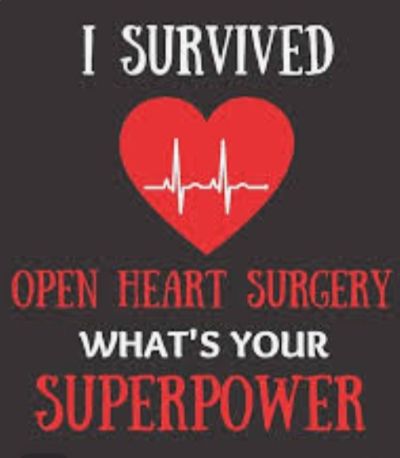
It has been over 15 years since my first heart surgery. It was four years ago since my second heart surgery, and tomorrow marks the 2nd anniversary of my third heart surgery, to replace my aortic valve.
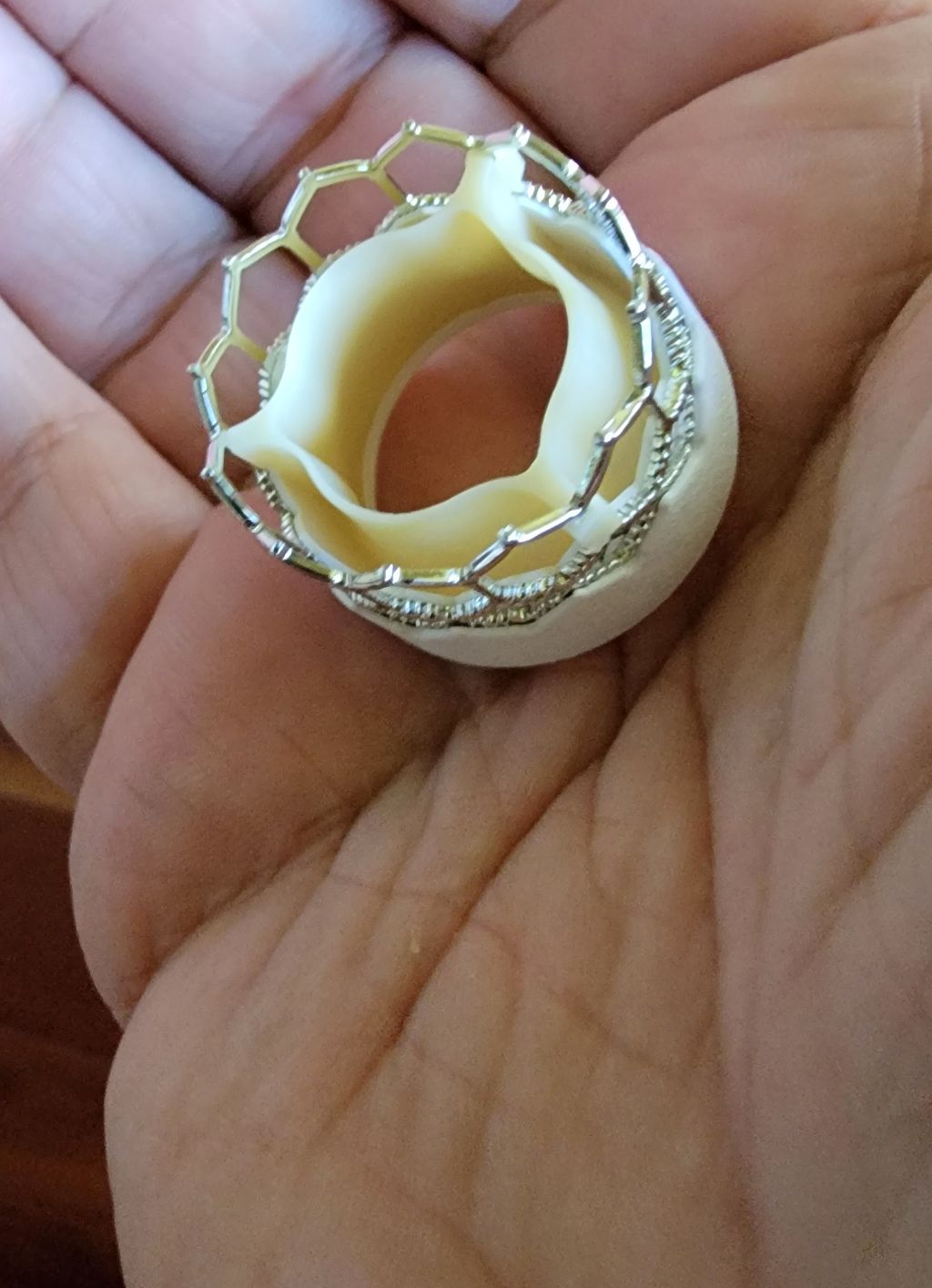
If I lived my life by “how long” each surgery will last, I had already passed the first surgery, and have six years for the second, and five years for the third. But here is the thing. I am not throwing away the chances given to me to live as long as I can. There are so many counting on me, and they mean everything to me and I would never want to hurt them by not giving a damn. That is not to say, that even doing the right things is guaranteed to get me the maximum time, then again, it could get me longer. But it starts with me, having an appreciation for the efforts made, on multiple times, to save my life.
 Paul's Heart