Paul's Heart

Life As A Dad, And A Survivor

Archive for the category “Cancer”

Happy TAVRsary To Me


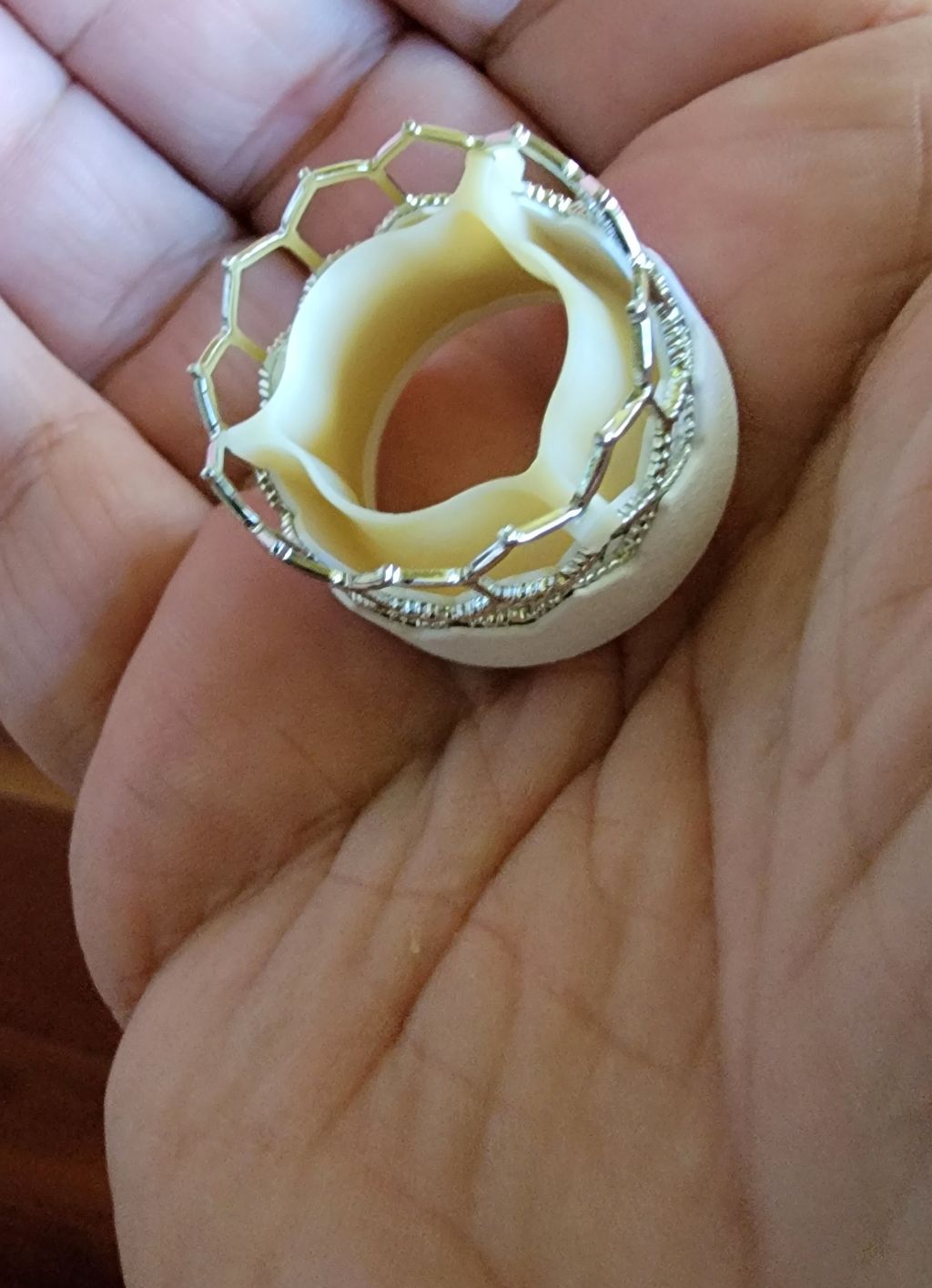
The above photo is a replica of an artificial tissue aortic valve, and yes, actual size. The real valve, similar to which is pictured and actual size, is in my heart, officially four years today. This was third heart operation I have had (2nd in two years of each other) as a direct result of late side effects caused from my radiation and chemotherapy treatments for Hodgkin’s Lymphoma.

So by the numbers, I am in remission from my cancer now over thirty-five years. I had my first and only open heart surgery (and I am wording it that way on purpose) seventeen years ago to perform an emergency double bypass as I was dying from a “widow maker” level blockage of the left anterior descending artery (LAD), caused by my treatments nearly two decades earlier.

The number of years is important, 35 years in remission from cancer, 17 years since that open heart surgery, because over all of those years, I have lived to see progress in both cancer and heart disease in newer technologies, newer methods, better options to what otherwise would not have been available for me to have received that artificial valve.

You see, just a decade ago, this type of procedure was not an option for cancer survivors like me due to the conditions of our bodies from radiation scarring inside our chest cavities. And while this valve is only an option for the aortic valve, an option for the mitral valve (something I will need done in the future) is currently in clinical trials, as well as the other valves are being studied. If I were to need any of those other valves currently, I would need to have a second open heart surgery, which will not happen, at least by my decision.

Initially I was treated with 4000 rads of ionized radiation for my Hodgkin’s Lymphoma, a common amount back in the 1980’s. However at the time, I was never told the potential issues that could be ahead of me. Fortunately for newer patients today, they do not get treated with this level of radiation. Anyone who works in the nuclear industry or radiation will confirm, this is an ungodly level of exposure, way more than anyone should see in a lifetime, let alone thirty days.

Besides the risks of the development of issues, the risks of complications rise as well from performing any interventions. Surgeons have no idea what they are going to see upon opening up the chest cavity with those of us with our type of treatment history, damage and scarring over the years, and this will also possibly complicate any recovery. Having to crack the breast bone to perform my bypass, extra time would be needed to heal the breast bone due to the radiation history. Instead of three months for recover, I would be given six months. But perhaps the biggest risk explained to me, long before the breast bone healing, is the increased risk of bleeding out. I was unaware of this the first time I was cut open, but now that I am aware of this risk, have made a firm decision in the event of ever needing a second attempt at open heart surgery.

This is why research is so important, to find less toxic, less destructive, less invasive, safer ways to save a life. Had I needed my aortic valve replaced ten years ago, it would have meant another open heart surgery, and I do not know if I would be writing this. But progress, and finding the right cardiologist with this experience, I not only survived this surgery called “transcatheterization,” my recovery was literally less than a week, I was up and walking freely within less than 24 hours.

These fixes to my heart, and I still have three uncorrected issues, are not permanent fixes. There will come a time that they all will need to be done again, my bypass now seventeen years old, a stent placed in 2019, and this valve done in 2021. Heart studies show all are holding their own or minimum progression which means these repairs are likely a ways off yet. It is my hope that by the time that any or all three of the issues come up, science comes up with better options than what is available now.

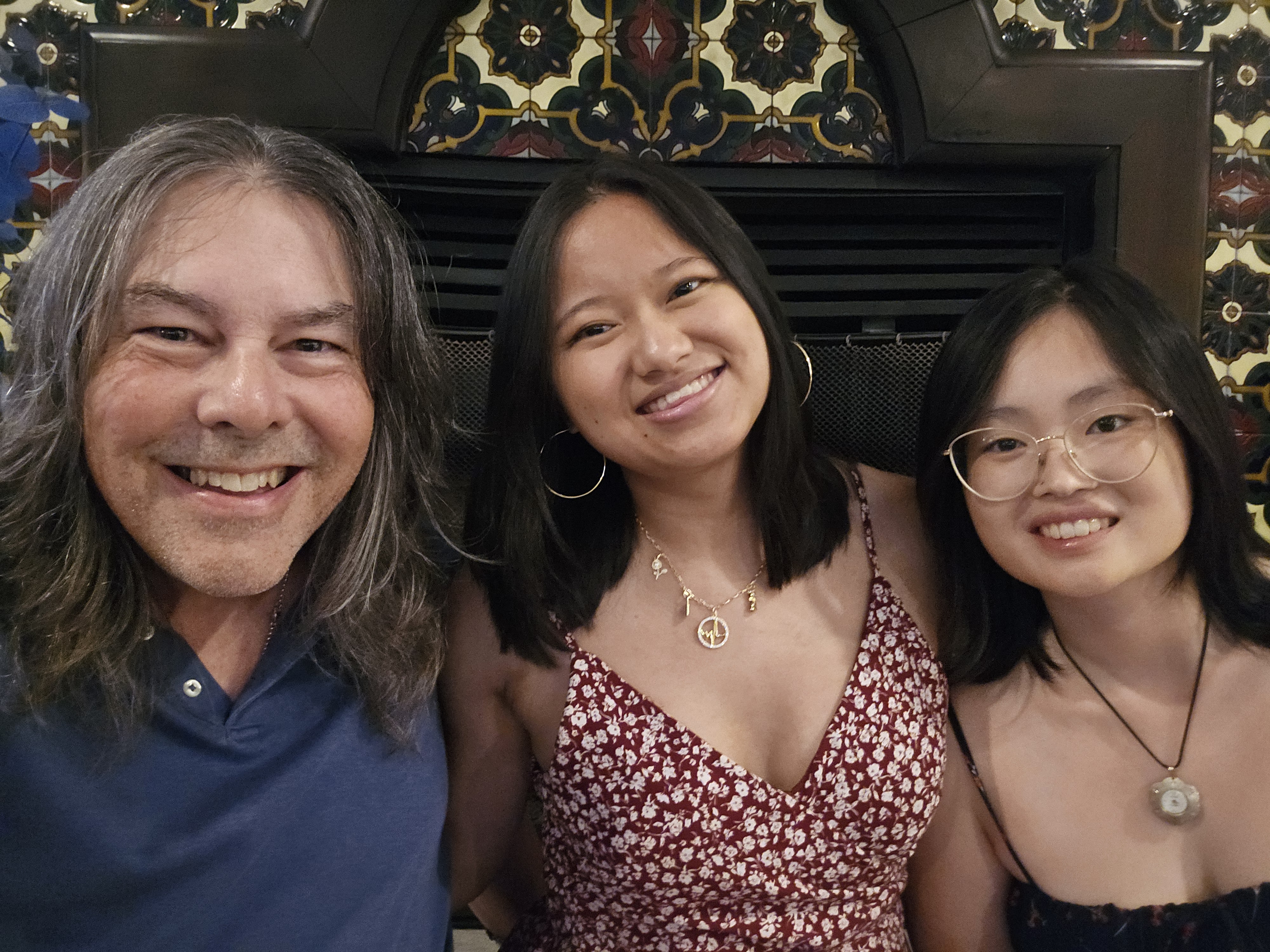
Until then, I am just continuing to look forward to hopefully the many more milestones ahead of me, now witnessing the milestones of both my daughters. This is what drives my survivorship.

What If…


(photo courtesy of the book, “Cut It Off”)

Occasionally, when I have writer’s block, I will refer to several books I have, that suggest prompts, to open up my thoughts, which I am never short on. I currently have over 300 posts started sitting in my cue over the years. I begin them, get stuck, and then they sit in pergatory.

This particular prompt actually came to me, via TikTok, as I was not looking for anything in particular to write, like I said, I have enough started. But the prompt is timely, as it is partly factual, in that I will be turning 60 at the end of this year. Instead of having me reflect, the suggestion has me contemplate the absence of likely at least half of my life or more.

“Imagine suddenly waking up as a 60-year-old, with the last few decades of your life erased and no memories. What would you want to know first?” This actually goes along with another post I have in my cue, “tell me what it is like to have a life without cancer,” asked of anyone who has not been touched by any form of it, whether as a patient, caregiver, or friend.

You can understand the impact that cancer has on someone’s path through life, a total derailment of what you once thought would be. So that I understand, the prompt implies “no memory”, that would also mean I would not have any recollection of dreams and aspirations of what I would have wanted in life.

But I am turning sixty in just over two months. Forget doing the math, or what it says on my page, just read this sentence. It is surreal for me to think that as someone who got diagnosed with Hodgkin’s Lymphoma, cancer, at the age of twenty-two, would ever see their 60th birthday. Yet hear I am. Next month marks thirty-seven years since that diagnosis.

The prompt says “last few decades”, “few” implying three, which would engulf my entire cancer survivorship. So I would want to make it four decades, still leaving me two decades, just with no history of cancer. Which crossroads with my other cue, “what’s a life without cancer like?” Truthfully, I cannot imagine what I would want to know. Prior to my diagnosis, I can recall every detail of my life and where it was heading, and what was planned. But those plans changed after my diagnosis. With no memory, according to the prompt, what life would I have had. Fact is, I don’t even want to know.

(photo courtesy of “We’re The Millers”)

To be clear, I have no regrets, not one letter. I really could not imagine a different life for me, nor would I want to. I truly believe in fate, good or bad, that all things are already predetermined or inevitable. And just like the movie series “Final Destination,” I have no intention of ever tempting fate. What has been meant to happen in my life in the past, and tomorrow, I cannot change anything and would not want to.

The truth is, I have too much over these last few decades, to regret and lose what I have, as if never existed. My daughters being the most important part of my world are too important to me to regret the bad things I have experienced in my life. To have a life without having had Hodgkin’s Lymphoma would have changed everything, and not necessarily for any better. But what I do have, is what was meant to be. And the fact that I get another day tomorrow, and again after that, makes it all worth while.

Breast Cancer Awareness Month


This photo of me with my grandmother comes from 1989, both of us cancer survivors at the time, she from breast cancer, me from Hodgkin’s Lymphoma. I had just completed six weeks of radiation therapy. My grandmother had been diagnosed in the Fall of 1985. Having undergone a double mastectomy, she joked with me, “I will be able to wear your shirts now.”

It was her bravery, her outlook, her stoicism that served as my first ever example of someone having faced cancer, and survived. Up until this point, all I ever knew about cancer was “everybody died” from it, a statement I would soon learn could be no further from the truth. Because of the way my grandmother handled her cancer fight, I cannot really go into details, as she did not discuss them, her way of protecting me from all of that “bad stuff”, yet at the same time denying me the ability to truly understand what she was going through.

It was her success in beating breast cancer that put me on the path to selecting my oncolgogist when I was diagnosed with Hodgkin’s in 1988 at the age of 22. My grandmother, small but mighty at a height of 4’11”, I considered one of the strongest people I knew. And if she could get through her cancer, so would I.

My experience was a bit more physically traumatic as far as surgeries go, and the toxicity of my treatments, unbeknownst to me, really posed the risk of killing me, instead of the cancer doing it. Mirroring her stamina and determination, I got through the next year and a half.

Our paths would take different turns a few years later, as she would pass at the age of 83 from her second battle with cancer, this time ovarian. I was crushed not by the fact that her not living forever after cancer did not happen and what that meant to me, but I lost one of the most influencial people in my life. Ten years later, I would begin a new chapter with my Hodgkin’s Lymphoma, not with a recurrence, but late side effects that would develop, caused by my treatments. But that is another post.

As I said, I am not very knowledgable when it comes to breast cancer. Sure, I know there are many types of breast cancers, staging, and a variety of treatment options, all similar to my experience with Hodgkin’s. And from what research I have done over the years, there is a similiarity to Hodgkin’s in that I saw that same “five year average” survival for breast cancer as we have for Hodgkin’s. Survival rates for both cancers do have one of the higher rates above 90% depending on the type and staging.

In fairness, my knowledge is still limited when it comes to breast cancer, though there are many in my personal circle who have been diagnosed, all with different situations, all with different treatment options. Regardless of their paths, all remain hopeful and positive in their battles.

Where my personal involvement comes in with breast cancer, is twofold, and actually has an impact on others as well. For anyone who has undergone “upper mantle” (the chest area) radiation therapy, there is an increased risk of developing breast cancer, even if a male, though it is not as common as females, it can happen, and self-screening is always recommended.

The second thing, and very important, because as Hodgkin’s survivors are all too aware of, the drug Adriamycin (also known as doxorubicin), is an anthracycline drug that damages cells to prevent them from growing and multiplying. This is good for destroying cancer cells, but bad for healthy normal cells. This drug is also notorious for being referred to as the “red devil,” noted for its color and the one truly evil and potential side effect, heart damage. And the bad thing is, despite the technology being available, and I know this personally as I have researched it and wrote about it here, to discover this damage before it becomes a problem. The bad thing is, it does not get used because it is “not cost effective.” So unless you complain about the symptoms, which by then the damage is likely quite bad already, you will never know until it is too late. A simple 2D echocardiogram after treatments can determine if any damage has begun, and if so, change treatment course before too late. But you need to advocate for yourself and demand this echo to be done. It will not be volunteered to you.

Here is the link to the interview I did with researcher Bill Shirkey to back this up:

Of course, I recommend reading the other three parts to that story for the full context and what it means to me and others.

Last month for me was personal about Hodgkin’s Lymphoma awareness. This month for breast cancer, it is also personal. And next month will be no different when it comes to lung cancer. More on that one later.

(photo courtesty of Premier Family Medical)

Post Navigation