
“The Talk” With Kids (About Cancer Or Other Serious Illnesses)

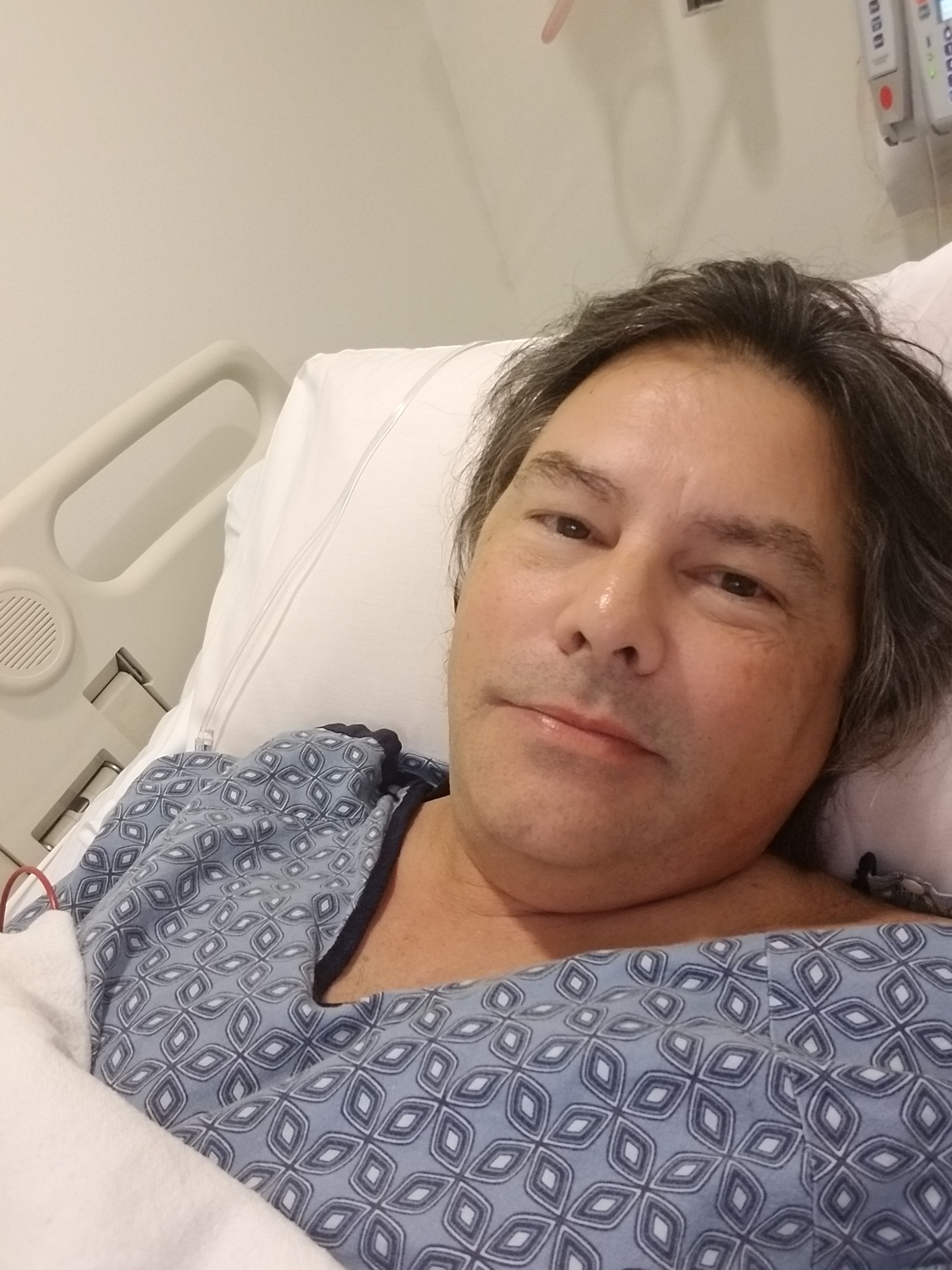
If you have followed “Paul’s Heart” long enough, you have seen this photo many times. It was the beginning of my “late term side effect”phase of my cancer survivorship, caused by my treatments for Hodgkin’s Lymphoma eighteen years prior, back in 2008. My daughters were 3 and 5 at the time, never knowing me during my cancer days obviously. But for the first time, my daughters would be immersed into a world of urgency and uncertainty, and have no understanding of “why” or what the risks were.
The three of us had never been apart from each other, EVER! In April of 2008, a nuclear stress test ordered by my primary care doctor after complaints by me about crippling chest tightness, I was only supposed to have a cathaterization done to place a couple of stents with my heart. That morning I was supposed to go to the hospital, I dropped my daughters off at daycare and school, and told them that “Daddy needs to stay in a hotel overnight tonight, but I will see you tomorrow after school. OK?” Not even batting an eye, the scampered off to their friends. Clearly I was more worried about them than they were about me.
Unfortunately, the cath did not go as planned. Once inside, they realized the damage to my vessels was much worse than they anticipated, and ceased the procedure. As I came to, it was being explained that I had what was nicknamed a “widow maker”, appropriately so as this type of blockage, normally causes a fatal massive heart attack. I would have emergency heart bypass surgery less than 24 hours later.
I have seen many heart patients tortured by time, waiting weeks or even months to have this time crucial surgery to be done, stressing to the max. After all, when you get told by a doctor that “it is not a matter of ‘if’ you are going to die, but ‘when'”, the fear is multiplied. For me, I did not have as much time to think about it. In fact, I was still coming out of the anesthesia several hours, so as they were sending me here and there for all kinds of pre-op procedures I really did not grasp what was happening.
Later on in the evening, it finally hit me. I was supposed to see my daughters after school. And now, I was not even going to get to see them, hug them, tell them I loved them, before I had this life or death surgery. There was a major chance I would not survive the surgery. What would they be told?
My daughters were no strangers to this situation however. Close friends of theirs lost their father to a heart attack some time before they met. It was the first time they would know of a dad or any parent dying with young children (but not the last). As determined as I was to get through my procedure, the true determination for me was to not leave them without a Father, which of course I had no control over, but gave my doctors the best pre-game speech I could, including the visual aid of my daughters’ photos.
I did not have access to Facetime or any video call device back then, so the best I was able to do, was to talk on the phone to my daughters that evening. Having already given them a false story as to where I was going, I did not want to make it worse because of the current situation. I simply just told them, I was going to be away a bit longer, but I would see them soon (though there was no guarantee of that part).
My Father told me of his mother’s passing and how it had impacted him. He was not a child, though still fairly young. He had been lied to, explaining that she was sick from her gallbladder. Only after she passed, did he learn that she had gallbladder cancer. But the images of how she looked toward the end of his life, haunted him forever, not because she had cancer, but because she was lied to.
It would three more days before I would see my daughters, when they were brought into the hospital. I still had tubes in my abdomen, and I was still connected to various machines, but I was in great spirits, especially finally getting to see my daughters. Their reactions when they came in were as to be expected, tepid, cautious, confused, and concerned. They approached me slowly unsure what to make of what they were seeing. While my older daughter was curious about all the beeping machinery, my youngest had made her way up onto my bed, and nuzzled against my side, fortunately not trying to rest on my chest. All of us knew that things were going to be alright. Well, sort of.
Learning this crisis was caused by my treatments, I travelled to Memorial Sloan Kettering Cancer Center, where they studied long term survivors and late effects that survivors developed. I was going to be no different. Here is where a decision was going to need to be made. With my daughters so young, what do I tell them, that my life and health was not going to be the best, that my mortality risks had increased? They were still so young. I had a psychology background and knew the best thing was to be “age appropriate”, but direct and honest, not to hide behind general words such as “just sick” or “has an ache,” which would only translate to them the bad things happening to them that is happening to their parent. No, they need to be told the truth.
It is important that children know it is not their fault what is happening. Descriptions should be kept simple for younger children, “bad cells”, “medicine to make better”, while teenage should be talked to with more transparency, still being sensative.
In the first few years of my survivorship, my daughters were being told by others that I was okay, that there was nothing wrong with me now that my heart was fixed. I did not agree with this approach, not only because it was wrong, but because it was not true. There were many more issues that had been discovered through this survivorship clinic that needed attention. And each time that I travelled, the girls were told I was taking a trip to New York. That is all that they knew. Fortunately, that worked out, as I came home each time. They were relieved.
Following my divorce in 2013, my survivorship health would actually get used against me, being used to keep my children from being with me due to my now unpredictable health. It forced me now, to not discuss at all when I was seeing my doctors or when things were going to be done, which hurt me more than ever, to not be able to let them know what was happening. That if anything went wrong, they would just be told what happened and that was that.
In the many years since, my daughters have seen close friends lose a parent at least three more times. And each time I faced a crisis situation, that was all that I could think about. I did not want to cause the sorrow and grief that I know they saw their friends experience. But they really have not had any concept of how a bad shape my body’s condition really is. My doctors actually tell me that I often do not appreciate the seriousness of some of the things I deal with.
A few years ago, as my youngest daughter aged out of the custody order, I was finally able to be upfront thoroughly with my daughters, now that I knew they could not be kept from me because of my health. But I still wanted to be gentle with how they were told, and be sensative to the amount of “bad news” they needed to learn about me as adults. The first test came following my 3rd heart surgery, to replace my aortic valve. They were told about it before it happened, and then with the wonders of technology and Facetime, got to see me soon after.
Since then, my daughters get told everything they need to know, so there are no surprises, and no regrets. They have plenty of confidence in me to get through the things I do, but also respect there will be a limit. Our time and conversations with each other however, do not revolve around my health, only when they come up. Instead, we are definitely focused on the things that matter at the moment, their schooling, starting their lives, and just having fun chats.
But every now and then, one of my daughters will approach me about a thought in their head, or a question. And because I have been up front with them all of these years, I know that I can assure them, so they do not worry. I was not expecting to see this text however. She was bothered that while she sees TV ads for cancer, she never sees anything about survivors and the issues that they (I) deal with. There is no media showing what life is like for those after cancer, dealing with the aftermath of treatments, that just being given a label, “survivor” should be good enough and thankful for that. She was frustrated that nothing gets discussed about survivors and the trauma, physical and emotional, that survivors live with as they deal with one health issue after another. Great! You beat cancer, but at what cost? Just be grateful you get to wake up and spend another day with your loved ones.
This conversation was sent to me at 1am. She is one of the few that gets our frustrations as cancer survivors. We just get dismissed at a five year mark, when it is felt our cancer is gone forever, unprepared, and no plan for what happens next or to live with the many challenges that come our way.
On the plus side, I think we cancer survivors have another advocate.
 Paul's Heart