Paul's Heart

Life As A Dad, And A Survivor

Archive for the category “Uncategorized”

“The Talk” With Kids (About Cancer Or Other Serious Illnesses)


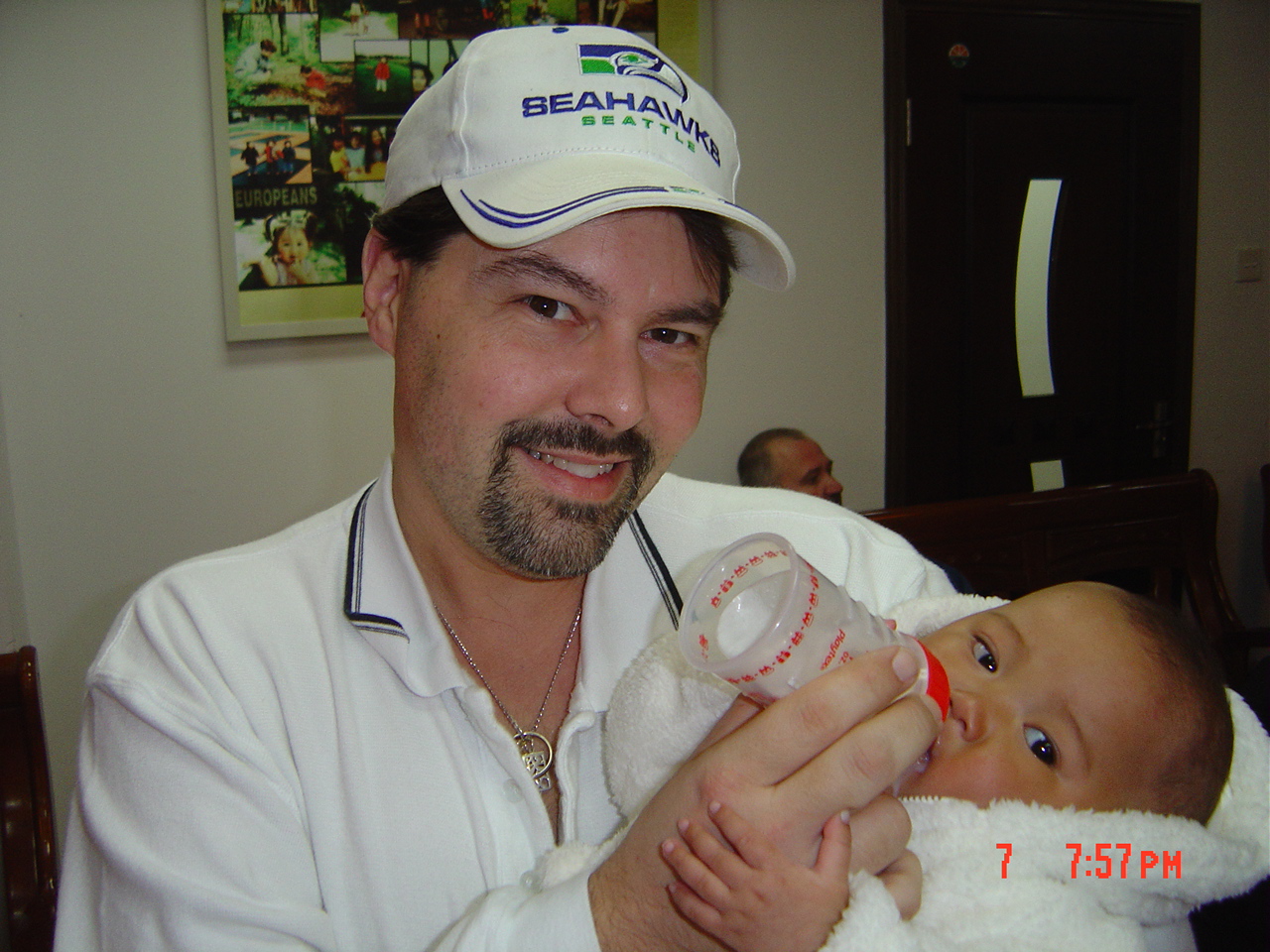
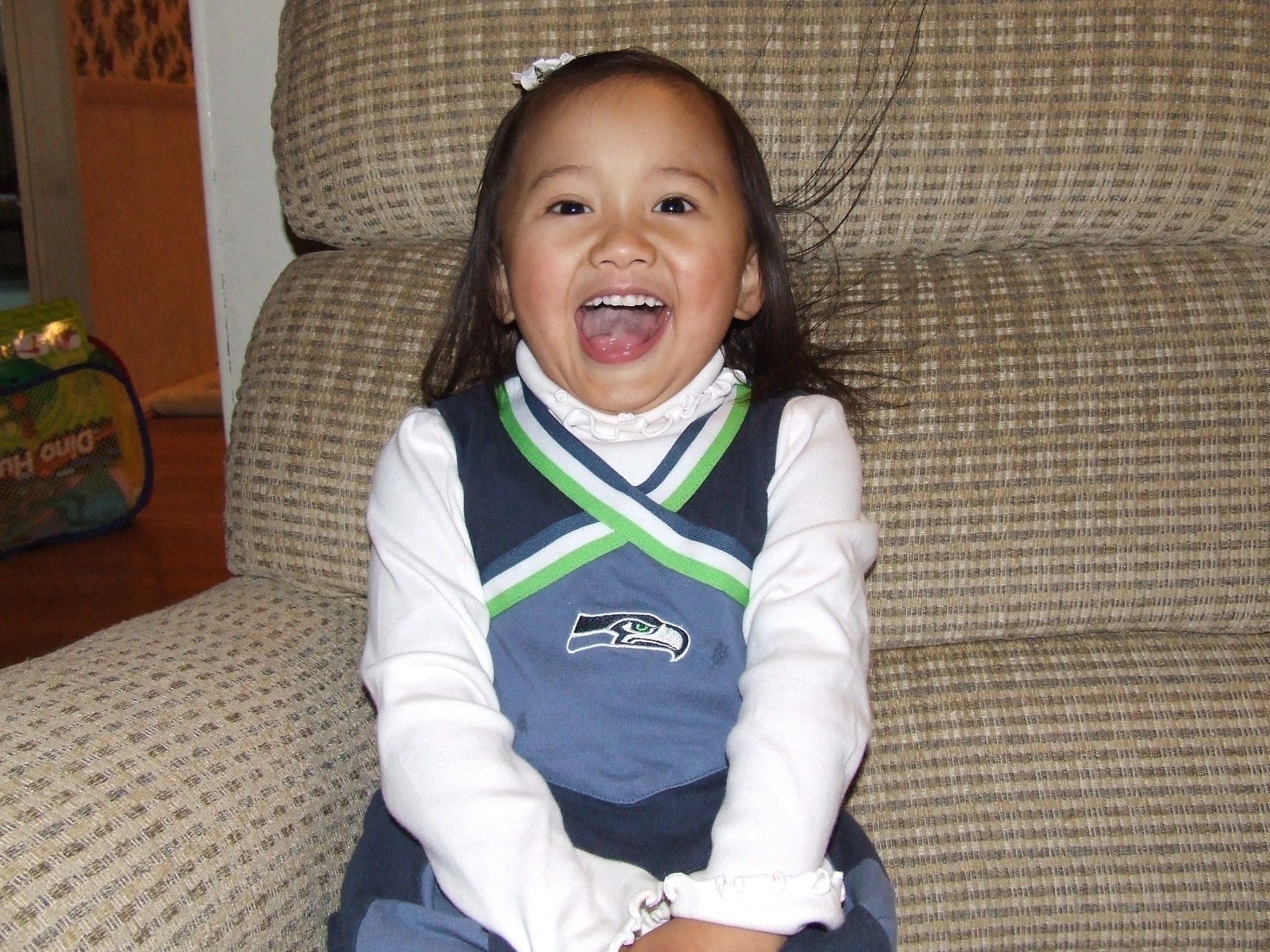
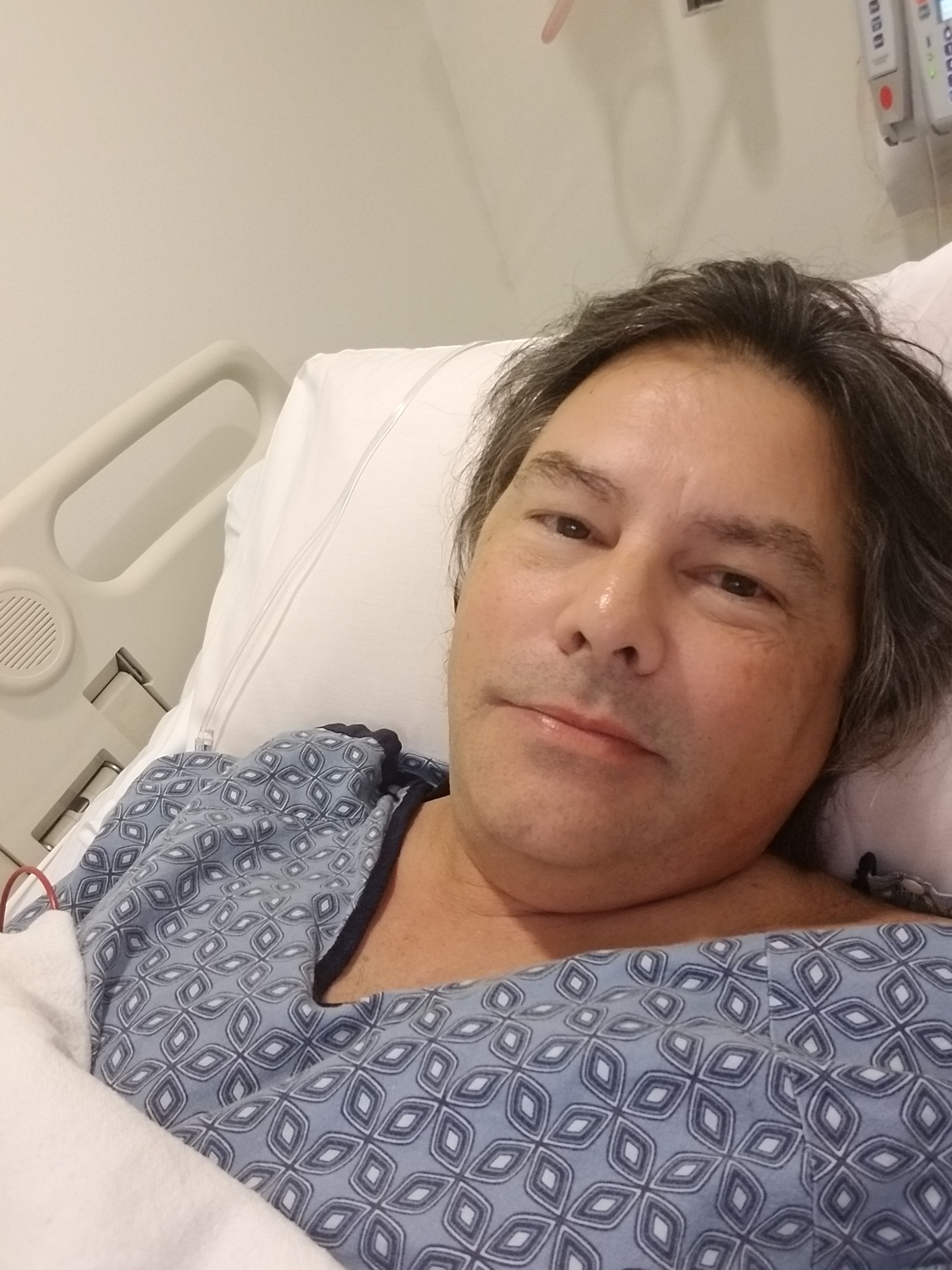
If you have followed “Paul’s Heart” long enough, you have seen this photo many times. It was the beginning of my “late term side effect”phase of my cancer survivorship, caused by my treatments for Hodgkin’s Lymphoma eighteen years prior, back in 2008. My daughters were 3 and 5 at the time, never knowing me during my cancer days obviously. But for the first time, my daughters would be immersed into a world of urgency and uncertainty, and have no understanding of “why” or what the risks were.

The three of us had never been apart from each other, EVER! In April of 2008, a nuclear stress test ordered by my primary care doctor after complaints by me about crippling chest tightness, I was only supposed to have a cathaterization done to place a couple of stents with my heart. That morning I was supposed to go to the hospital, I dropped my daughters off at daycare and school, and told them that “Daddy needs to stay in a hotel overnight tonight, but I will see you tomorrow after school. OK?” Not even batting an eye, the scampered off to their friends. Clearly I was more worried about them than they were about me.

Unfortunately, the cath did not go as planned. Once inside, they realized the damage to my vessels was much worse than they anticipated, and ceased the procedure. As I came to, it was being explained that I had what was nicknamed a “widow maker”, appropriately so as this type of blockage, normally causes a fatal massive heart attack. I would have emergency heart bypass surgery less than 24 hours later.

I have seen many heart patients tortured by time, waiting weeks or even months to have this time crucial surgery to be done, stressing to the max. After all, when you get told by a doctor that “it is not a matter of ‘if’ you are going to die, but ‘when'”, the fear is multiplied. For me, I did not have as much time to think about it. In fact, I was still coming out of the anesthesia several hours, so as they were sending me here and there for all kinds of pre-op procedures I really did not grasp what was happening.

Later on in the evening, it finally hit me. I was supposed to see my daughters after school. And now, I was not even going to get to see them, hug them, tell them I loved them, before I had this life or death surgery. There was a major chance I would not survive the surgery. What would they be told?

My daughters were no strangers to this situation however. Close friends of theirs lost their father to a heart attack some time before they met. It was the first time they would know of a dad or any parent dying with young children (but not the last). As determined as I was to get through my procedure, the true determination for me was to not leave them without a Father, which of course I had no control over, but gave my doctors the best pre-game speech I could, including the visual aid of my daughters’ photos.

I did not have access to Facetime or any video call device back then, so the best I was able to do, was to talk on the phone to my daughters that evening. Having already given them a false story as to where I was going, I did not want to make it worse because of the current situation. I simply just told them, I was going to be away a bit longer, but I would see them soon (though there was no guarantee of that part).

My Father told me of his mother’s passing and how it had impacted him. He was not a child, though still fairly young. He had been lied to, explaining that she was sick from her gallbladder. Only after she passed, did he learn that she had gallbladder cancer. But the images of how she looked toward the end of his life, haunted him forever, not because she had cancer, but because she was lied to.

It would three more days before I would see my daughters, when they were brought into the hospital. I still had tubes in my abdomen, and I was still connected to various machines, but I was in great spirits, especially finally getting to see my daughters. Their reactions when they came in were as to be expected, tepid, cautious, confused, and concerned. They approached me slowly unsure what to make of what they were seeing. While my older daughter was curious about all the beeping machinery, my youngest had made her way up onto my bed, and nuzzled against my side, fortunately not trying to rest on my chest. All of us knew that things were going to be alright. Well, sort of.

Learning this crisis was caused by my treatments, I travelled to Memorial Sloan Kettering Cancer Center, where they studied long term survivors and late effects that survivors developed. I was going to be no different. Here is where a decision was going to need to be made. With my daughters so young, what do I tell them, that my life and health was not going to be the best, that my mortality risks had increased? They were still so young. I had a psychology background and knew the best thing was to be “age appropriate”, but direct and honest, not to hide behind general words such as “just sick” or “has an ache,” which would only translate to them the bad things happening to them that is happening to their parent. No, they need to be told the truth.

It is important that children know it is not their fault what is happening. Descriptions should be kept simple for younger children, “bad cells”, “medicine to make better”, while teenage should be talked to with more transparency, still being sensative.

In the first few years of my survivorship, my daughters were being told by others that I was okay, that there was nothing wrong with me now that my heart was fixed. I did not agree with this approach, not only because it was wrong, but because it was not true. There were many more issues that had been discovered through this survivorship clinic that needed attention. And each time that I travelled, the girls were told I was taking a trip to New York. That is all that they knew. Fortunately, that worked out, as I came home each time. They were relieved.

Following my divorce in 2013, my survivorship health would actually get used against me, being used to keep my children from being with me due to my now unpredictable health. It forced me now, to not discuss at all when I was seeing my doctors or when things were going to be done, which hurt me more than ever, to not be able to let them know what was happening. That if anything went wrong, they would just be told what happened and that was that.

In the many years since, my daughters have seen close friends lose a parent at least three more times. And each time I faced a crisis situation, that was all that I could think about. I did not want to cause the sorrow and grief that I know they saw their friends experience. But they really have not had any concept of how a bad shape my body’s condition really is. My doctors actually tell me that I often do not appreciate the seriousness of some of the things I deal with.

A few years ago, as my youngest daughter aged out of the custody order, I was finally able to be upfront thoroughly with my daughters, now that I knew they could not be kept from me because of my health. But I still wanted to be gentle with how they were told, and be sensative to the amount of “bad news” they needed to learn about me as adults. The first test came following my 3rd heart surgery, to replace my aortic valve. They were told about it before it happened, and then with the wonders of technology and Facetime, got to see me soon after.

Since then, my daughters get told everything they need to know, so there are no surprises, and no regrets. They have plenty of confidence in me to get through the things I do, but also respect there will be a limit. Our time and conversations with each other however, do not revolve around my health, only when they come up. Instead, we are definitely focused on the things that matter at the moment, their schooling, starting their lives, and just having fun chats.

But every now and then, one of my daughters will approach me about a thought in their head, or a question. And because I have been up front with them all of these years, I know that I can assure them, so they do not worry. I was not expecting to see this text however. She was bothered that while she sees TV ads for cancer, she never sees anything about survivors and the issues that they (I) deal with. There is no media showing what life is like for those after cancer, dealing with the aftermath of treatments, that just being given a label, “survivor” should be good enough and thankful for that. She was frustrated that nothing gets discussed about survivors and the trauma, physical and emotional, that survivors live with as they deal with one health issue after another. Great! You beat cancer, but at what cost? Just be grateful you get to wake up and spend another day with your loved ones.

This conversation was sent to me at 1am. She is one of the few that gets our frustrations as cancer survivors. We just get dismissed at a five year mark, when it is felt our cancer is gone forever, unprepared, and no plan for what happens next or to live with the many challenges that come our way.

On the plus side, I think we cancer survivors have another advocate.

Sixty And I Know It


(photo courtesy of IMDB)

Sorry, but it was the only photo I could find (of LMFAO), and play on the fact that today, I reached my 60th birthday. I’m sixty and I know it.

If anyone had ever told my mother what a complicated life I was going to have when I was born, she would have told them, he will be able to handle it. My mother only recently has begun to tell me of my earliest moments and difficulties. It appears I either learned survivorship instincts that early, or I might must have been born with them. But here I am, turning 60 years old today, a day I never thought I would see. At the age of 22, I was diagnosed with cancer, Hodgkin’s Lymphoma. I never thought I would make 30 years old. Why would I? All I knew of cancer was people died from it. My doctor did not help that either, when all he talked about was a 5-year survival rate. Nothing about ten, twenty, or even my current 38 years of survival. I had no reason to think I would be here today.

Four years after this photo was taken, at the age of 22, I was diagnosed with cancer, Hodgkin’s Lymphoma. Considered a rare form of blood cancer, it was also difficult to diagnose. As a society, we do not celebrate those who survive cancer. What I wild ride it has been, like a roller coaster with so many ups and downs, twists and turns, and seemingly G-force speed.

I recently watched a video of one of my favorite actors, Dick Van Dyke, talking about his longevity as he celebrated his 100th birthday. The interviewer asked him what his secret to living this long was, and he said that he did not know. While I do not expect to make another forty years, the fact that I made it this far, I do not know how either. Over the last thirty-eight years, my body has gone through so much trauma, not just from the cancer itself, to all the late side effects from my treatments, and the many sources of so much stress of which only in recent years, with the practice of Buddhism I have learned to keep stress in its place.

Over the years, I have kept a balance between living life after cancer, and not forgetting what cancer had given me, while not letting it define me. I am definitely not where I thought I was going to be when I was 22, but I am right where I am meant to be. Not the life I planned, but the life I have, and with all its twists and turns, I am okay with where I am right now.

If you are able to speak to a grandparent, as I once did, and ask them about their life and their experiences, you would likely hear tales of all the different eras from the great depression, hippies, and all other kinds of experiences over time. But someone diagnosed with cancer, would likely never have that chance to have all of those tales and memories. Right? Riiiiiiggggghhhhtttt?

I have so many things to share in just the 38 years since my diagnosis. And some of these things are huge, not just because of the number 38 years of cancer survivorship by itself is a really big deal. It is what has happened over those four decades that is truly exciting.

First, I will get the science stuff out of the way. The barbaric methods used to diagnose my cancer, are no longer done. I have witnessed this progress. The extreme amount of radiation used on me is no longer used, now reduced and focused on specific areas only. The toxic chemotherapy cocktail of MOPPABV, MOPP is no longer used, ABV along with D now considered the less toxic standard, still producing the great remission rates without the excessive toxicity. Even now controlling side effects from low blood cell counts to nausea, make it possible to continue treatments without interruption. Living long enough to see all this progress in treating Hodgkin’s has been exciting.

So what about life after cancer? What has it been like? I made a promise to myself that I wanted to give back to the cancer community for giving me another shot at life. And that began with becoming a cancer advocate for patients and survivors, wanting to be an ear to listen, and hopefully be an inspiration to those following similar paths behind me. I have been a patient/survivor advocate my entire survivorship, supporting efforts in fighting for health care, finding support, and educating survivors on late side effects from treatments.

I chose to work during my entire cancer journey, to this day I am still not sure it was the right thing to do, but the path it kept me on, would eventually take me to a career in medical research and actually handling one of the cancer drugs of my chemo cocktail. This would also be a game changer providing me the necessary health benefits to deal with the multitudes of late side effects from my radiation and chemotherapies.

I finally got the dog I always wanted, even before cancer. And for nearly 15 years, he was always by my side, especially his last five years as I was challenged with heart issues from my treatments, his presence made all the difference.

There is nothing and no one more important in my life as a cancer survivor, as those of my daughters. They are my world and have lived through over half of my survivorship, the most difficult of those years. My daughters are my driving force to get through each health issue I get diagnosed with, and there are a lot. But realizing that I have no control over my mortality, I go to bed each night, with plans for the next day, the next things I need to deal with my daughters, now as adults, there are things I need them to know and prepare for.

But wow, have I had fun watching these two grow. From helping with homework, to extra curricular activities, and then on to planning for college, I have had the chance to continue to teach them the importance of money, responsibilities, voting, self-care such as doctor and dental and eyes, and as they near the end of their college careers, they have some big choices ahead, and I hope to be one of their influences, jobs, relationships, a home. I have done what I can to be a good role model for them, to give and get respect, prioritize, manage their time, and to not get tangled up in bullshit that does not concern them. I could not be more proud of both of them.

I’ve gotten to travel, a lot in my earlier years of survivorship, not so much today anymore. I bought a house. And I have met so many people over these decades in so many different capacities, all I consider a blessing because they all gave me a variety of experiences.

Something I never thought I would do, I jumped into our local school board election as a candidate. While I had belonged to organizations before, and never shied away from leadership, this was a first for me. I met so many interesting people and friends, of whom I still consider friends to this day.

I can never forget those involved in helping to create my family and the many friends I met through adoption, again, still friends after all of these years, all of our children now adults, college graduates, married and with children of their own.

And then there are the most important and critical people in my survivorship, my fellow Hodgkin’s survivors who I consider not just friends, but family. From Linda, the first survivor who kept after me about my follow up care, to Tobi, Josh, and Jenny (Josh and Jenny have since passed) who were the first survivors I personally met and interacted with to the literal hundreds if not thousands of other survivors in our community, who we all support each other with each crisis we face, there is no doubt where I would be without each and every one of them. There are so many with longer years of survivors, and shhhhh… older in age too, my hopes for more time with my daughters exist because of them. And can I tell you, I am so inspired by the many younger survivors as they build their lives after cancer. Just ead the many stories I have shared here on Paul’s Heart like about Stephanie.

I have written books and other publications, even had one of my stories performed by Broadway actors. This was a fun night. I have given my share of survivor speeches, attended all kinds of conferences and events for Hodgkin’s.

(photo by Hodgkin’s International)

I wrote and published my first book, journaling my 35 years as a cancer survivor.

And finally, I would not be celebrating my 60th birthday without the best doctors and nurses in the world who recognized the need and specialty in taking care of cancer survivors who would live long enough to develop side effects from the treatments. I have been so blessed to be taken care of by who I have been. The pictures above are from survivorship, and the photo with my daughters in it, have my oncology nurse from 38 years ago, and my social worker who got me through my emotional struggles during those days. Though I know I have a picture of us somewhere, my primary care doctor of nearly 40 years, with me through it all, my biggest advocate of my survivorship, never doubting or giving up with all the challenges my body put me through. I literally would not be here today if it were not for Dr. J.

These last several years have been a bit more difficult with dealing with my late effects, but I have the best caregiver anyone could ever hope for. I am not an easy patient to deal with, stubborn is an understatement, but my best friend, my partner, my advocate, has been there each step of the way and I clearly would not be writing this if it were not for her. A cruel twist of fate, she accepted a role, unthinkable with her tragic and ironic past herself, to assist me in my survivorship.

So, now I am off to the airport for two very important passengers, arriving today, the ultimate birthday gift which was all that I wanted, and together we are going to celebrate this huge milestone, turning 60 years old as a 38 year cancer survivor.

When Diabetes Can Be A Choice


(photo courtesy of HealthyWomen)

November is Diabetes Awareness Month. This is another box I check when it comes to my health as I am a type 2 diabetic. I was not always this type of diabetic. It was something that developed over the last many years of my survivorship, in fact, I go as far as connecting it to my late side effect issues from my treatments for Hodgkin’s Lymphoma. Type 1 diabetes did run in my family, but not type 2. And it was not until about fifteen years ago, when type 2 diabetes appeared on the radar. I am always of the mindset, if it was not something I was born with, does not run in my family, and happened post-cancer, then it gets connected to that period in my life. Honestly, I am not really about the “why” stuff happens, I prefer to be “what do I need to do about it?”

What is the difference between type 1 and type 2 diabetes? I am not going to get lost in the weeds explaining the technicalities, but with type 1, the body has a lack of insulin caused by the body’s own immune system destroying insulin-producing cells, causing that shortage. As a result, type 1 diabetics need to monitor their blood sugar and give themselves insulin shots. They also have strict diets as well as other behavior recommendations such as exercises and avoiding certain vices. A type 1 diabetic knows they are type 1 as their symptoms are better recognized, but also severe and quick.

Type 2 diabetes is a resistance to insulin, the body either does not make enough insulin, or it does not process the way it needs to. A type 2 diabetic does not need to do insulin shots necessarily, but should monitor their blood sugar. Side note, as I have written before, this is one thing I am unable to do, as I have written about previously and recently.

Both types of diabetes carry their own potential issues ranging from cardiac to circulatory, optical, and so on. Cardiac can lead to heart disease, circulatory can result in amputation due to “gangrene”, and a condition with the eyes called diabetic retinopathy, where blood vessels in the eye become damaged, causing issues from blurryness to floaters, and possibly loss of vision.

As I mentioned earlier, I attribute my type 2 diabetes to my late effects from treatments. It was about fifteen years ago when my doctor began to monitor my “A1C”, which measures the blood sugar levels over the last three months, so an average of what diabetics check daily. Now here is the thing about the A1C with me, I thought I was being smart. I learned early on, that I could impact my blood tests, when fasting was required, by avoiding things such as cholesterol and sugar, through the week before the blood test, and have great results. The A1C put a stop to that, because while I could have a great blood sugar reading, the A1C proves otherwise.

Initially, my number was around 5.5, which was considered normal, but close to pre-diabetic. Over the years, my A1C would creep higher capping off six years ago at 9.0, full type 2 diabetic. The pancreas is one of the few body organs in me that has not been studied for impacts from my treatments, though I do see an endocrinologist. The loss of my spleen from the staging process of my cancer as well as my thyroid being impacted from treatments, also caused issues with my metabolism which has likely contributed to this.

There are other factors that impact the A1C, such as activity level (exercise), weight, diet, and stress. Medication was also prescribed for me, some that I could afford, some that I could not. I currently take two pills which have lowered my A1C somewhat, while not a great impact, lower is better regardless. Exercise for me is limited to walking. I have lowered my weight to its lowest in thirty years, but I have plateaued as I often do when I get to this level. I do not eat a lot of sugar and the one vice I did have, Coca-Cola, I have all but given up. I do not drink alcohol, do not do drugs, and I don’t smoke. And in recent years, I have finally managed to reduce my stress by 95% and how I respond. My result last month showed my A1C now at 7.4, not great, but going in the right direction.

As for my eyes, I see an eye specialist as well. Nothing has been decided on the retinopathy, though treatment has been talked about in the future. I do have damage to my eyes from the high dose prednisone that I was on during my chemo. And most obvious, I can tell my vision is getting worse.

From the cardiac standpoint, I seem to be holding my own. All my “bionic” repairs to my heart are holding their ground, though new diagnosis have come, but with everything else I have done, I am going in the right direction. I do plan on getting my A1C back into normal range within the next two years.

Post Navigation